- Persistent Corneal Epithelial Defects (PCED) treatments are essential tools in modern ophthalmology, enabling effective healing of chronic corneal wounds and preventing further ocular complications such as infection, scarring, or vision loss. These treatments are widely used in conditions such as neurotrophic keratitis, dry eye syndrome, and chemical injuries
- The demand for treatments in the Global Persistent Corneal Epithelial Defects (PCED) Treatment Market is significantly driven by the growing prevalence of ocular surface disorders, increased awareness through ophthalmic screening programs, and technological advancements in regenerative and biologic therapies such as growth factors and amniotic membrane products
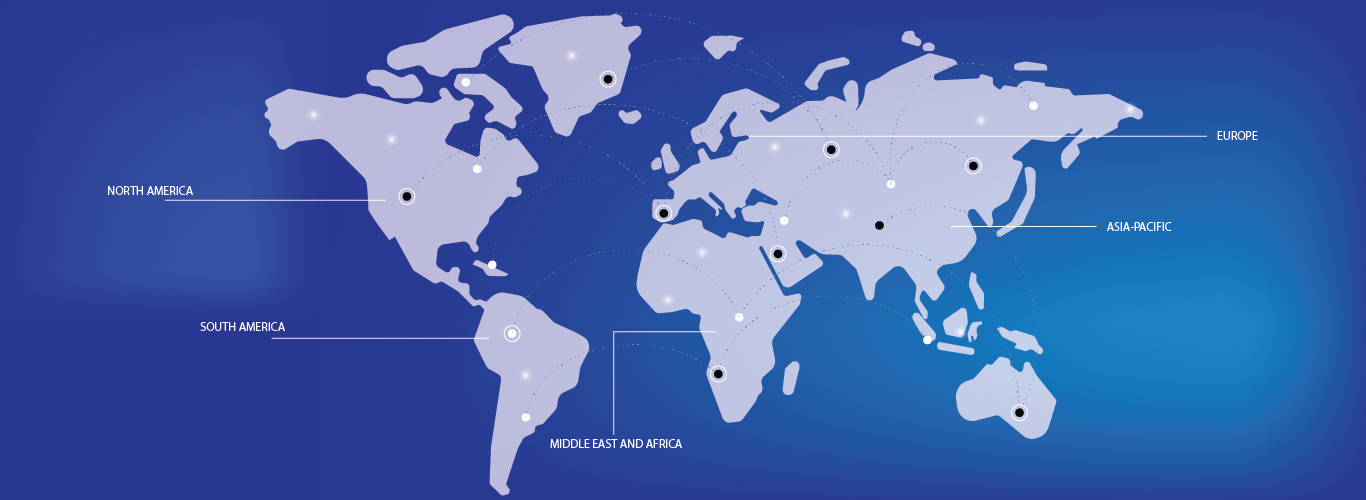
- North America is expected to dominate the Global Persistent Corneal Epithelial Defects (PCED) Treatment Market with a share of 36.4%, due to its advanced eye care infrastructure, high adoption of innovative biologics and therapeutic drugs, and strong presence of key pharmaceutical and biotech companies
- For instance, the U.S. has seen increasing clinical trials for amniotic membrane products and growth factor-based eye drops, highlighting its leadership in innovation and access
- Asia-Pacific is expected to be the fastest growing region in the Global Persistent Corneal Epithelial Defects (PCED) Treatment Market during the forecast period due to rapid improvements in healthcare access, increasing awareness about eye diseases, and rising demand for advanced ocular therapies
- The antibiotics segment is expected to dominate the Global Persistent Corneal Epithelial Defects (PCED) Treatment Market with a market share of 34.5% due to its widespread clinical use, cost-effectiveness, and essential role in preventing or managing secondary bacterial infections in patients with PCED. Despite the emergence of advanced treatments such as growth factors and amniotic membrane products, antibiotics remain a mainstay in therapy owing to their accessibility, established safety profile, and routine integration into PCED treatment protocols. Their continued role in supportive care reinforces their leading position in the market