- Pharmacological chaperones, which are small molecules that stabilize misfolded proteins and restore their normal function, are emerging as a vital therapeutic approach for treating genetic disorders, particularly lysosomal storage diseases and other protein-misfolding conditions. Their ability to selectively bind and stabilize target proteins has garnered increasing attention in the field of precision medicine
- The escalating demand for pharmacological chaperone therapies is primarily driven by a growing prevalence of rare genetic disorders, increased focus on targeted therapies, and advancements in drug discovery platforms such as structure-based drug design
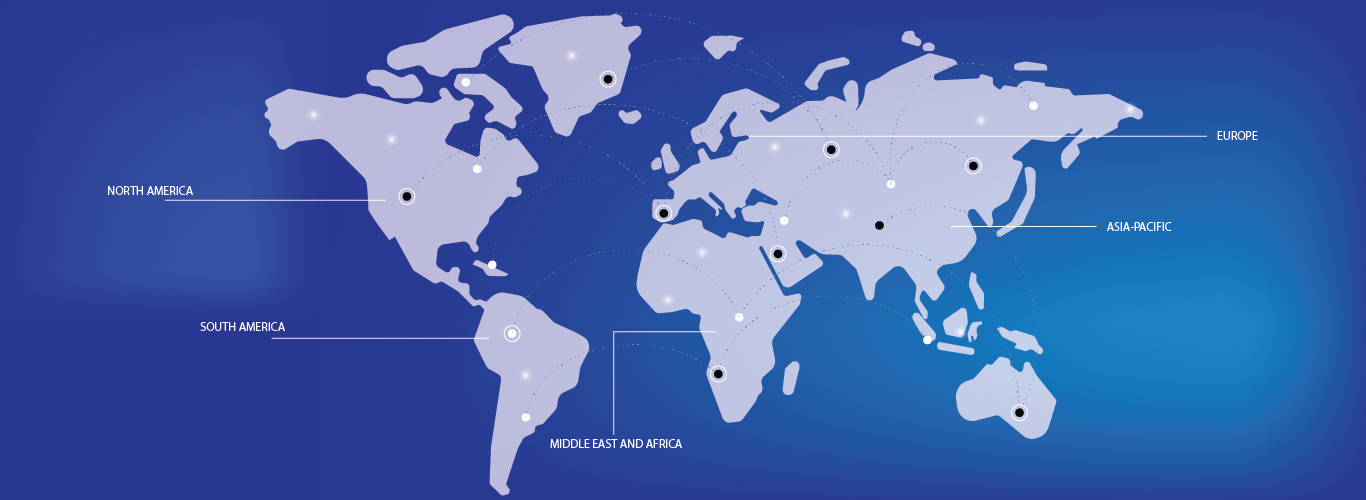
- North America dominated the pharmacological chaperone drug market, accounting for the largest revenue share of 41.3% in 2024, due to early adoption of innovative therapeutics, robust R&D investments, supportive regulatory environment, and the strong presence of leading biopharmaceutical companies focused on rare disease treatment
- Asia-Pacific is projected to be the fastest-growing region in the pharmacological chaperone drug market during the forecast period of 2025 to 2032, with a CAGR of 13.8%, fueled by increasing awareness of rare genetic diseases, rising healthcare expenditure, growing biotechnology sector, and expanding access to diagnostics and advanced therapies in countries such as China, Japan, and India
- The Monotherapy segment held the largest market share of 58.9% in 2024, supported by the approval of stand-alone pharmacological chaperones such as Galafold for specific genotypes. These therapies offer targeted treatment options without the need for adjunctive therapies, simplifying treatment regimens and improving patient compliance, particularly in lysosomal storage disorders such as Fabry disease