- Growing concerns around scalability and cost-efficiency in traditional cell-based and microbial production systems are pushing biotech companies to explore PMF as a viable alternative for producing complex proteins
- PMF enables the cultivation of valuable therapeutic compounds in genetically modified plants, offering faster production timelines and reduced capital investment, especially beneficial for developing countries
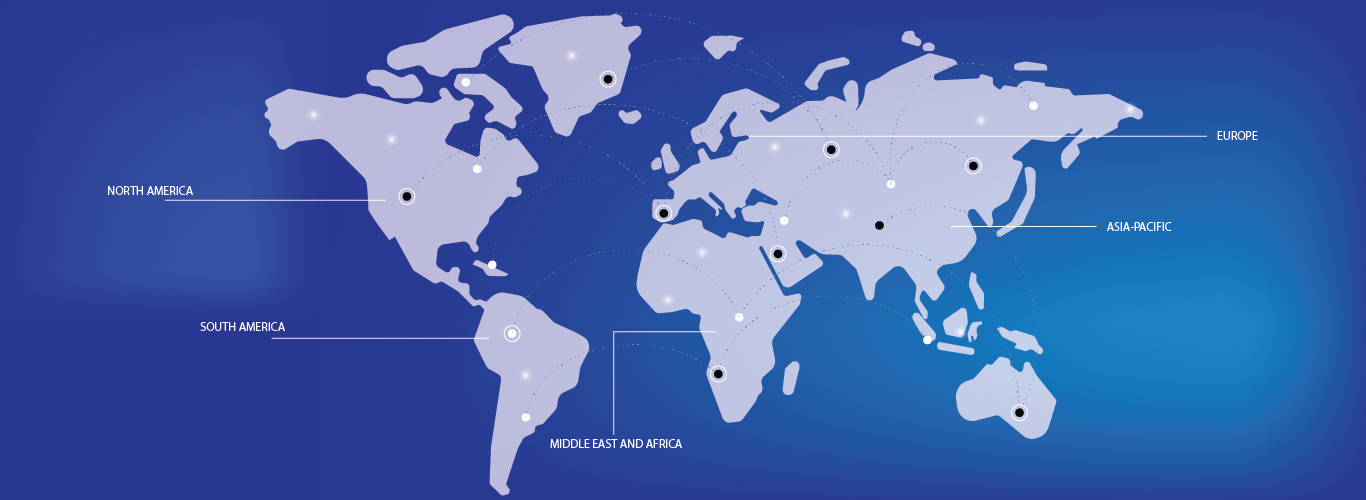
- North America held the largest revenue share of 38.7% in the global plant molecular farming (PMF) market in 2024, supported by robust biotechnology infrastructure, favorable regulatory frameworks, and increasing investments in plant-based biopharmaceutical research
- Asia-Pacific region is expected to witness the highest growth rate in the global plant molecular farming (PMF) market, driven by increased investments in biotechnology, rising demand for cost-effective therapeutics, and supportive government policies promoting plant-based innovation. Countries such as China, India, and South Korea are accelerating R&D activities focused on plant-derived vaccines and pharmaceuticals, contributing significantly to market expansion in the region
- The plant segment dominated the market with the largest market revenue share of 72.8% in 2024, owing to its lower production cost, faster scalability, and ability to produce complex proteins safely. Plant-based systems such as Nicotiana benthamiana are widely used due to their high yield, short growth cycles, and ease of genetic manipulation. This segment also benefits from reduced risk of contamination by human pathogens, which is critical in pharmaceutical applications