- Prader-Willi Syndrome (PWS) is a complex, rare genetic disorder characterized by hypotonia, insatiable appetite, developmental delays, cognitive disabilities, and behavioral issues. It is primarily caused by the loss of function of specific genes on chromosome 15. Early diagnosis and management are crucial to improving long-term outcomes for individuals affected by this condition
- The surge in awareness of rare genetic disorders, combined with advancements in genetic testing and research, has accelerated the identification and management of Prader-Willi Syndrome. Increased focus on early therapeutic intervention, growth hormone therapy, and appetite suppressants is further boosting the market
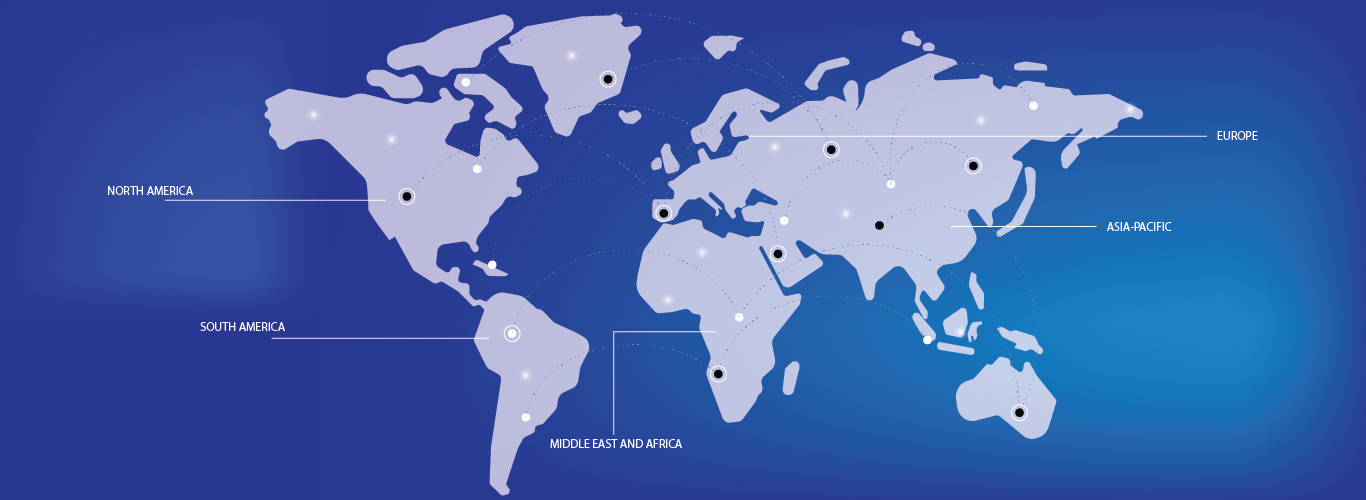
- North America is expected to dominate the Prader-Willi Syndrome drug market with a share of 44.67%, due to early adoption of growth hormone treatments, advanced genetic diagnostic capabilities, and strong presence of key pharmaceutical players.
- For instance, the increasing number of patients diagnosed through newborn screening programs and receiving early growth hormone therapy has contributed significantly to North America’s leadership in PWS drug development and care.
- Asia-Pacific is expected to be the fastest growing region in the Prader-Willi Syndrome drug market during the forecast period due to improving healthcare infrastructure, increased adoption of genetic screening, and rising prevalence awareness in emerging economies
- The genotropin segment is expected to dominate the market with a market share of 39.12% due to its widespread use in managing growth deficiency in PWS patients. Omnitrope and Norditropin are also gaining momentum as effective recombinant human growth hormone therapies