- Presbyopia-correcting devices, which include a range of vision-enhancing solutions such as multifocal contact lenses, intraocular lenses, and corneal inlays, are becoming essential in addressing age-related vision deterioration, particularly in aging populations across both developed and emerging markets. These devices offer improved near-vision functionality without compromising distance vision, making them a preferred option over conventional reading glasses for many patients
- The demand for presbyopia-correcting devices is being driven by increasing global awareness of vision correction options, greater patient willingness to adopt advanced ophthalmic technologies, and a growing emphasis on lifestyle and aesthetic benefits associated with spectacle independence
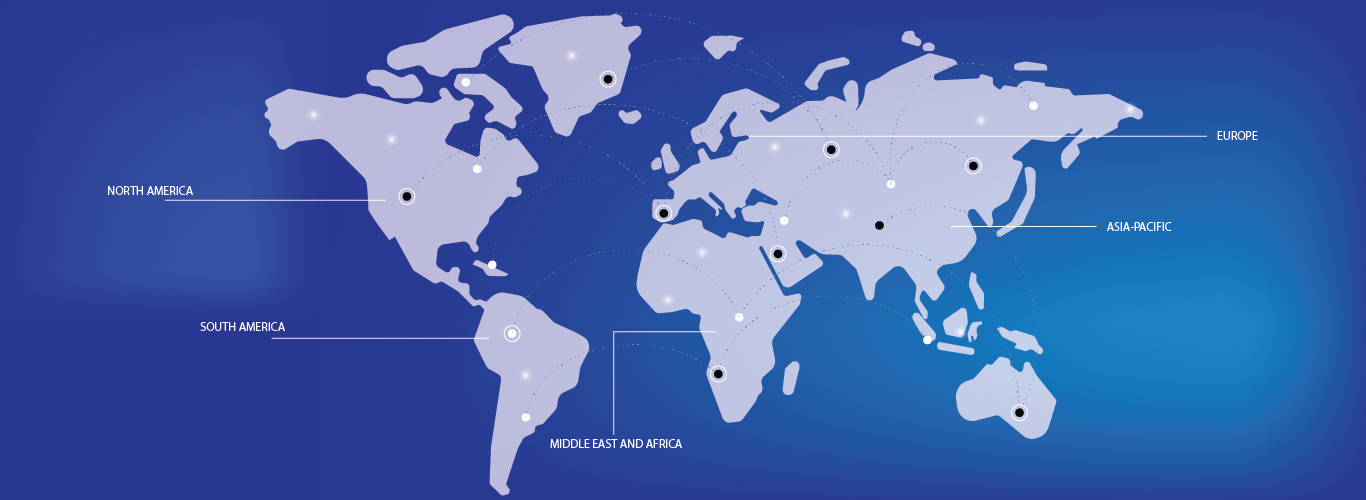
- North America dominates the presbyopia-correcting devices market, holding the largest revenue share of 37.5% in 2024. This leadership is supported by a well-established healthcare infrastructure, early adoption of advanced ophthalmic technologies, and a growing aging population seeking long-term, high-quality vision correction solutions
- Asia-Pacific is expected to be the fastest growing region in the presbyopia-correcting devices market, with a CAGR of 9.10% during the forecast period. This growth is attributed to rapid urbanization, rising disposable incomes, and increasing access to eye care services in countries such as China, India, and Japan
- Progressive addition lenses dominates the presbyopia-correcting devices market with a market share of 34.5% in 2024, owing to their ability to provide seamless vision correction across all distances (near, intermediate, and far) without the visible lines found in bifocal or trifocal lenses, coupled with continuous advancements in lens design for improved aesthetics and patient adaptation