- Prosopagnosia, also known as face blindness, is a neurological condition characterized by the inability to recognize faces. It can result from brain injury or be present from birth. Treatment options are currently limited but evolving, with cognitive behavioral therapies, emerging pharmacological interventions, and assistive technologies playing a significant role.
- The market is being driven by increased diagnostic rates due to improved neuroimaging, public awareness initiatives, and research funding. As understanding of the neurological basis of prosopagnosia expands, so does the potential for targeted interventions.
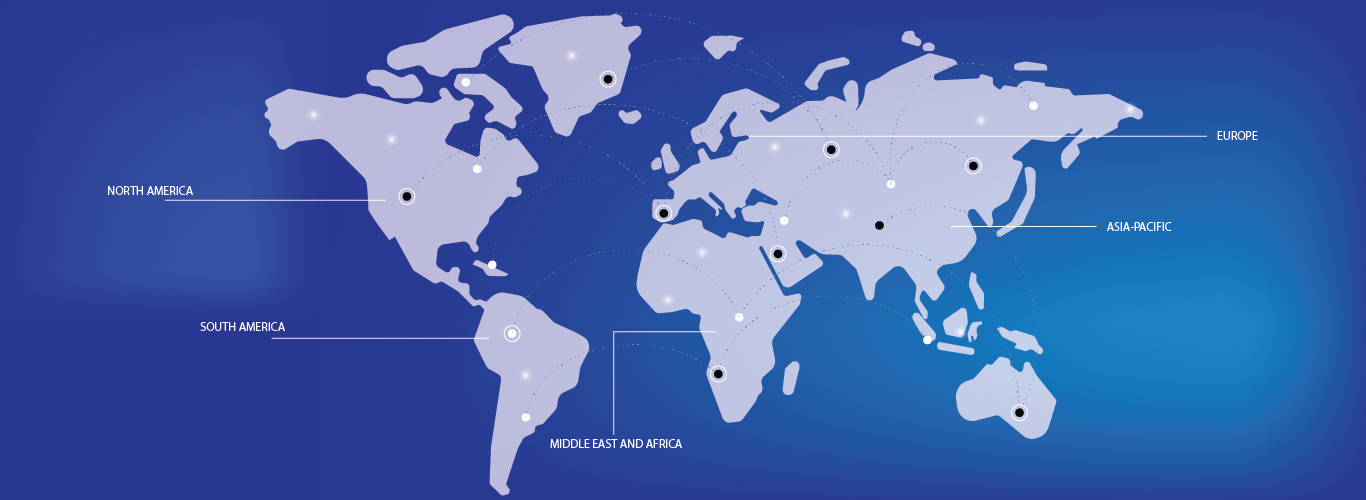
- Asia-Pacific is the dominant region in the Prosopagnosia Treatment market, attributed to rising awareness of neurodevelopmental disorders, enhanced healthcare infrastructure, and increased research collaborations. Countries like China, Japan, and South Korea lead the regional growth with technological advancements in neuroscience, supportive health policies, and increasing funding for rare disease management.
- Middle East and Africa is the fastest-growing region in the global Prosopagnosia Treatment market, driven by improved access to neurological care, government investment in health systems, and growing collaboration with global research institutions. Countries such as UAE, South Africa, and Egypt are strengthening diagnostic capabilities and access to cognitive therapies, fueling regional market expansion.
- Cognitive behavioral therapy is expected to dominate the Prosopagnosia Treatment market with the largest market share of 54.6% in 2025 due to its effectiveness in enhancing facial recognition skills and adaptability. Increasing clinical validation and integration into rehabilitation protocols contribute to its dominance.