


Reye Syndrome Treatment Market Size
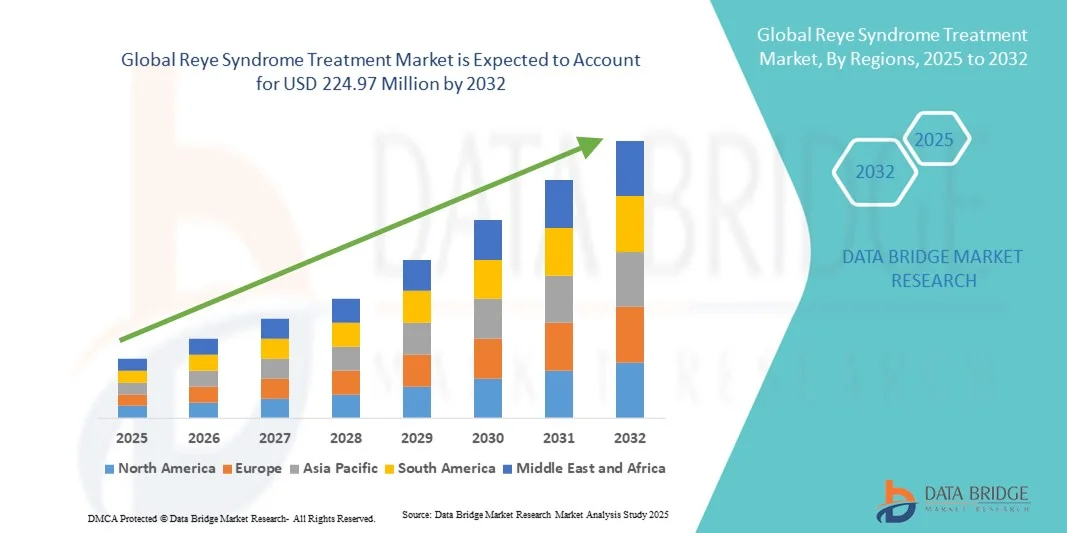
- The global Reye Syndrome treatment market size was valued at USD 143.30 million in 2024 and is expected to reach USD 224.97 million by 2032, at a CAGR of 5.80% during the forecast period
- The market growth is largely fueled by increasing awareness among healthcare professionals and the general public, leading to earlier diagnosis and intervention, as well as advancements in medical science that improve treatment outcomes
- Furthermore, rising demand for effective, patient-centered, and accessible treatment options across hospitals, clinics, and ambulatory surgical centers is establishing Reye Syndrome therapies as essential in pediatric and critical care settings. These converging factors are accelerating the adoption of Reye Syndrome treatments, thereby significantly boosting the industry's growth
Reye Syndrome Treatment Market Analysis
- Reye Syndrome treatments, encompassing therapies such as intravenous fluids, corticosteroids, diuretics, antifibrinolytics, surgery, and other supportive measures, are increasingly vital in pediatric and critical care settings due to their role in managing metabolic complications and preventing severe neurological outcomes
- The escalating demand for Reye Syndrome treatments is primarily fueled by growing awareness among healthcare professionals and caregivers, early diagnosis initiatives, and a rising emphasis on patient-centered care and hospital-based intervention protocols
- North America dominated the Reye Syndrome treatment market with the largest revenue share of 42.5% in 2024, characterized by advanced healthcare infrastructure, high healthcare expenditure, and strong presence of key market players, with the U.S. experiencing substantial adoption of advanced treatment protocols and supportive care strategies in hospitals and specialized pediatric centers
- Asia-Pacific is expected to be the fastest growing region in the Reye Syndrome treatment market during the forecast period due to increasing healthcare accessibility, rising pediatric care awareness, and government initiatives promoting early diagnosis and treatment of rare pediatric conditions
- Intravenous fluids segment dominated the Reye Syndrome treatment market with a market share of 38.7% in 2024, driven by its critical role in stabilizing patients, correcting metabolic imbalances, and serving as the primary intervention in managing Reye Syndrome in hospital and clinical settings
Report Scope and Reye Syndrome Treatment Market Segmentation
|
Attributes |
Reye Syndrome Treatment Key Market Insights |
|
Segments Covered |
|
|
Countries Covered |
North America
Europe
Asia-Pacific
Middle East and Africa
South America
|
|
Key Market Players |
|
|
Market Opportunities |
|
|
Value Added Data Infosets |
In addition to the insights on market scenarios such as market value, growth rate, segmentation, geographical coverage, and major players, the market reports curated by the Data Bridge Market Research also include in-depth expert analysis, pricing analysis, brand share analysis, consumer survey, demography analysis, supply chain analysis, value chain analysis, raw material/consumables overview, vendor selection criteria, PESTLE Analysis, Porter Analysis, and regulatory framework. |
Reye Syndrome Treatment Market Trends
Advancements in Targeted Pediatric Therapies
- A significant and accelerating trend in the global Reye Syndrome Treatment market is the development of targeted therapies such as corticosteroids and antifibrinolytics, which focus on mitigating metabolic and neurological complications in pediatric patients
- For instance, intravenous corticosteroid administration has shown improved outcomes in reducing cerebral edema and enhancing recovery in children diagnosed with Reye Syndrome
- The adoption of personalized treatment protocols based on patient-specific risk factors is enhancing clinical outcomes and minimizing adverse effects, reflecting a shift towards precision pediatric care
- Hospitals and specialized pediatric centers are increasingly integrating multidisciplinary approaches combining pharmacological and supportive therapies to optimize recovery and reduce long-term neurological sequelae
- This trend toward patient-centered, specialized interventions is reshaping expectations for Reye Syndrome management, prompting pharmaceutical companies and healthcare providers to innovate treatment regimens
- The demand for advanced, targeted Reye Syndrome treatments is growing rapidly across pediatric hospitals and clinics as caregivers and healthcare providers prioritize efficacy, safety, and timely intervention
Reye Syndrome Treatment Market Dynamics
Driver
Increasing Awareness and Early Diagnosis Initiatives
- The growing awareness among healthcare professionals and caregivers about Reye Syndrome’s early warning signs is a key driver for timely diagnosis and treatment initiation
- For instance, awareness campaigns and pediatric training programs have improved early recognition of symptoms such as vomiting, lethargy, and confusion, enabling faster clinical intervention
- Early diagnosis allows the administration of intravenous fluids, diuretics, and other supportive therapies before severe complications occur, improving survival rates and patient outcomes
- The rising emphasis on pediatric healthcare infrastructure, combined with increasing availability of diagnostic tools and hospital facilities, supports the prompt identification and management of Reye Syndrome cases
- Additionally, parental education and public health initiatives contribute to the growing demand for effective treatment protocols and hospital-based interventions
- The combination of awareness, early diagnosis, and improved hospital readiness is driving the steady growth of the Reye Syndrome Treatment Market globally
Restraint/Challenge
Limited Treatment Accessibility and High Cost of Care
- Limited access to specialized Reye Syndrome treatments, particularly in developing regions, poses a significant challenge to market growth and timely intervention
- For instance, rural hospitals and clinics often lack the infrastructure for administering intravenous fluids, corticosteroids, or advanced supportive therapies required for severe Reye Syndrome cases
- The high cost of hospitalization and specialized care, including intensive monitoring and multidisciplinary management, can prevent timely treatment, especially for low-income families
- Ensuring equitable access to therapies and expanding healthcare infrastructure are essential to overcome regional disparities in treatment availability
- Furthermore, the relatively low prevalence of Reye Syndrome leads to limited production of targeted therapies, increasing costs and restricting availability in some markets
- Addressing these challenges through policy support, funding initiatives, and affordable treatment options will be vital for sustained growth and improved outcomes in the Reye Syndrome Treatment Market
Reye Syndrome Treatment Market Scope
The market is segmented on the basis of treatment, end-users, and distribution channel.
- By Treatment
On the basis of treatment, the Reye Syndrome treatment market is segmented into intravenous fluids, corticosteroids, diuretics, antifibrinolytics, surgery, and others. The intravenous fluids segment dominated the market with the largest revenue share of 38.7% in 2024, driven by its critical role in stabilizing patients and correcting metabolic imbalances. Intravenous fluids are often the first line of intervention in Reye Syndrome cases, enabling hospitals to manage dehydration, electrolyte disturbances, and associated complications efficiently. The widespread adoption of hospital protocols prioritizing rapid fluid replacement contributes to this segment’s dominance. Hospitals and specialized pediatric centers rely heavily on intravenous therapies for both emergency and routine management. Additionally, the relative ease of administration and proven efficacy in reducing mortality reinforces their preference over other treatment modalities. The segment also benefits from consistent demand across developed and developing regions due to standardized treatment guidelines.
The corticosteroids segment is anticipated to witness the fastest growth rate of 7.2% from 2025 to 2032, fueled by increasing recognition of their role in reducing cerebral edema and inflammation in severe Reye Syndrome cases. Corticosteroids are increasingly being integrated into advanced treatment protocols, particularly in hospitals and tertiary care centers. Their effectiveness in improving neurological outcomes has prompted pediatric care specialists to adopt them alongside supportive therapies. Rising awareness among healthcare providers about individualized dosing and risk mitigation further drives adoption. Research studies highlighting their efficacy in critical care settings contribute to market confidence. Furthermore, expanding healthcare infrastructure in Asia-Pacific and other emerging regions is expected to accelerate the uptake of corticosteroid-based therapies.
- By End-Users
On the basis of end-users, the market is segmented into clinics, hospitals, research laboratories, ambulatory surgical centres, and others. The hospitals segment dominated the market with the largest revenue share of 45.3% in 2024, driven by their capacity to provide comprehensive treatment, including intravenous therapy, corticosteroids, and intensive monitoring. Hospitals are often equipped with specialized pediatric wards and critical care units capable of handling severe Reye Syndrome cases. The presence of multidisciplinary teams ensures timely intervention, which is crucial for patient survival and recovery. Advanced infrastructure, availability of trained staff, and adherence to standardized treatment guidelines reinforce hospitals as the primary treatment setting. Additionally, hospitals often serve as referral centers for complicated cases, consolidating their dominance in the market. The segment also benefits from consistent investment in pediatric healthcare facilities globally.
The clinics segment is expected to witness the fastest growth rate of 6.8% from 2025 to 2032, driven by increasing outpatient management of mild Reye Syndrome cases and rising awareness among caregivers. Clinics provide accessible and localized care, enabling early diagnosis and timely initiation of supportive therapies. Expansion of pediatric specialty clinics in urban and semi-urban regions is facilitating faster intervention, reducing reliance on hospital admissions. Clinics are also integrating telemedicine and follow-up care to improve treatment adherence. Government initiatives promoting pediatric healthcare at community levels contribute to this segment’s growth. The convenience and cost-effectiveness of clinic-based care are expected to further accelerate adoption in emerging markets.
- By Distribution Channel
On the basis of distribution channel, the market is segmented into retail pharmacy, hospital pharmacy, and others. The hospital pharmacy segment dominated the market with the largest revenue share of 48.5% in 2024, driven by the centralized procurement of Reye Syndrome therapies for inpatient care. Hospital pharmacies ensure timely availability of intravenous fluids, corticosteroids, and other critical medications required for emergency and intensive care. Bulk purchasing and integrated supply chains allow hospitals to maintain uninterrupted treatment availability. Close coordination between hospital departments and pharmacies ensures compliance with treatment protocols and patient safety standards. The segment also benefits from high adoption in developed countries with advanced healthcare infrastructure. Consistent demand for essential medications reinforces its dominance over other distribution channels.
The retail pharmacy segment is expected to witness the fastest growth rate of 7.0% from 2025 to 2032, fueled by increasing awareness among caregivers and availability of outpatient medications. Retail pharmacies offer convenient access to supportive therapies, particularly for follow-up care and minor Reye Syndrome cases. Expanding pharmacy networks in urban and semi-urban regions improve accessibility and reduce treatment delays. Online pharmacy platforms further enhance convenience by delivering medications directly to patients’ homes. Educational campaigns targeting caregivers about early intervention and treatment adherence contribute to segment growth. The rising trend of self-medication under professional guidance is also expected to boost retail pharmacy demand.
Reye Syndrome Treatment Market Regional Analysis
- North America dominated the Reye Syndrome treatment market with the largest revenue share of 42.5% in 2024, characterized by advanced healthcare infrastructure, high healthcare expenditure, and strong presence of key market players
- Healthcare providers and caregivers in the region prioritize early diagnosis and timely intervention, with widespread adoption of standardized treatment protocols, including intravenous fluids, corticosteroids, and supportive therapies
- This dominance is further supported by high healthcare expenditure, a skilled medical workforce, and government initiatives promoting pediatric health, establishing North America as a leading region for Reye Syndrome management in both hospitals and specialized pediatric centers
U.S. Reye Syndrome Treatment Market Insight
The U.S. Reye Syndrome Treatment Market captured the largest revenue share of 78% in 2024 within North America, driven by advanced healthcare infrastructure, high pediatric care awareness, and well-established hospital networks. Early diagnosis initiatives, combined with widespread adoption of intravenous fluids, corticosteroids, and other supportive therapies, are significantly contributing to market growth. The increasing integration of pediatric treatment protocols and hospital-based intensive care programs is further propelling the market. Moreover, government initiatives promoting rare pediatric disease management and public health campaigns are enhancing awareness among caregivers. The availability of specialized pediatric hospitals and trained medical professionals ensures timely intervention, supporting sustained market expansion.
Europe Reye Syndrome Treatment Market Insight
The Europe Reye Syndrome Treatment Market is projected to expand at a substantial CAGR throughout the forecast period, primarily driven by increasing awareness among healthcare providers and stringent pediatric care guidelines. Rising urbanization, coupled with the growing demand for specialized treatment centers and early intervention, is fostering adoption. European hospitals and clinics are increasingly implementing standardized protocols for intravenous fluids, corticosteroids, and diuretics. Additionally, the focus on patient-centered care, improved healthcare access, and research initiatives in rare pediatric disorders is boosting market growth. The market is witnessing significant adoption across both inpatient and outpatient settings in major European countries.
U.K. Reye Syndrome Treatment Market Insight
The U.K. Reye Syndrome Treatment Market is anticipated to grow at a noteworthy CAGR during the forecast period, driven by increasing focus on pediatric healthcare and early diagnosis programs. Rising concerns regarding childhood metabolic disorders are encouraging hospitals and clinics to implement effective treatment protocols. The U.K.’s well-established healthcare system, strong public awareness campaigns, and emphasis on rare disease management are expected to continue stimulating market growth. Moreover, the adoption of advanced therapeutic interventions and supportive care in hospitals further strengthens market demand. Expansion of specialized pediatric units and integration of multidisciplinary care models also contribute to market growth.
Germany Reye Syndrome Treatment Market Insight
The Germany Reye Syndrome Treatment Market is expected to expand at a considerable CAGR during the forecast period, fueled by advanced medical infrastructure, high awareness of rare pediatric disorders, and demand for specialized hospital care. Germany’s focus on innovative treatment approaches, intensive monitoring, and patient safety promotes the adoption of therapies such as intravenous fluids, corticosteroids, and antifibrinolytics. Hospital networks emphasize early intervention and adherence to clinical guidelines, ensuring optimal patient outcomes. Increasing investment in pediatric care, research initiatives, and training of medical professionals are further supporting market growth. The integration of Reye Syndrome management protocols within specialized centers is becoming increasingly prevalent.
Asia-Pacific Reye Syndrome Treatment Market Insight
The Asia-Pacific Reye Syndrome Treatment Market is poised to grow at the fastest CAGR of 8.2% during the forecast period of 2025 to 2032, driven by improving healthcare infrastructure, rising awareness of pediatric diseases, and increasing access to advanced treatments in countries such as China, Japan, and India. The region’s expanding hospital networks, government healthcare initiatives, and growing pediatric population are driving adoption. Increasing availability of intravenous therapies, corticosteroids, and supportive care measures is enhancing patient outcomes. Furthermore, the rising focus on early diagnosis and community healthcare programs is facilitating timely intervention. Expansion of specialized pediatric hospitals and growing healthcare expenditure are also contributing to market growth.
Japan Reye Syndrome Treatment Market Insight
The Japan Reye Syndrome Treatment Market is gaining momentum due to the country’s advanced healthcare system, high awareness of pediatric disorders, and increasing emphasis on early diagnosis. Hospitals and clinics are adopting comprehensive treatment protocols including intravenous fluids, corticosteroids, and diuretics. The integration of multidisciplinary care approaches and adherence to national pediatric care guidelines is fueling market growth. Moreover, Japan’s aging population and increased demand for efficient, timely pediatric care are driving adoption in both residential and hospital settings. Expansion of research programs and government-supported healthcare initiatives further support the market’s positive trajectory.
India Reye Syndrome Treatment Market Insight
The India Reye Syndrome Treatment Market accounted for the largest market revenue share in Asia-Pacific in 2024, attributed to expanding healthcare access, growing pediatric care awareness, and increasing hospital infrastructure. India has a large population of children at risk for metabolic disorders, and early diagnosis initiatives are gaining traction. The push towards strengthening pediatric healthcare, coupled with government programs for rare disease management, is driving adoption of intravenous fluids, corticosteroids, and supportive therapies. The availability of affordable treatment options and expansion of specialized pediatric centers are key factors propelling the market. Rising awareness campaigns and training programs for healthcare providers further enhance treatment accessibility and adoption.
Reye Syndrome Treatment Market Share
The Reye Syndrome Treatment industry is primarily led by well-established companies, including:
- Pfizer Inc. (U.S.)
- Novartis AG (Switzerland)
- Merck & Co., Inc. (U.S.)
- Sanofi (France)
- Baxter (U.S.)
- Zydus Group (India)
- Endo, Inc. (U.S.)
- Aspen Pharmacare (South Africa)
- Hikma Pharmaceuticals (U.K.)
- Cipla (U.S.)
- XSPIRE Pharma (U.S.)
- Aché Pharmaceutical Laboratories SA (Brazil)
- Lupin (U.S.)
- Salius Pharma Pvt. Ltd. (India)
- Ami Lifesciences (India)
- Hangzhou Longshine Bio-Tech Co., Ltd. (China)
- Schwitz Biotech (India)
- B. Braun SE (U.S.)
- Fresenius Kabi AG (Germany)
What are the Recent Developments in Global Reye Syndrome Treatment Market?
- In September 2025, A study published in the American Journal of Public Health and Medical Sciences emphasized the importance of multidisciplinary collaboration in the management of Reye syndrome. The research highlighted the integration of molecular biomarkers, advanced imaging modalities, and electrophysiological assessments to refine early diagnostic capabilities and optimize therapeutic strategies.
- In June 2025, Medscape reported on updated treatment protocols for Reye syndrome, emphasizing aggressive supportive care tailored to the clinical stage of the syndrome. Key interventions include the correction of metabolic abnormalities, management of hypoglycemia and hyperammonemia, and control of cerebral edema to prevent neurological damage
- In March 2024, GE Healthcare introduced its next-generation pediatric MRI system, designed with specialized protocols for detecting brain edema and metabolic changes associated with Reye syndrome. This advancement aims to enhance diagnostic accuracy and early detection of neurological complications in pediatric patients
- October 2021, a case report detailed the successful use of intensive therapies in a child with fulminant Reye syndrome and severe hyperammonemia. Described the successful treatment of a 4-year-old boy. The aggressive therapeutic intervention included high-dose arginine chloride, sodium benzoate (ammonia scavengers), and intensive hemodialysis, in addition to standard supportive care and mild hypothermia to manage cerebral edema
- In May 2021, a case study reported an association between Multisystem Inflammatory Syndrome in Children (MIS-C) related to COVID-19 and the development of Reye's syndrome. A case report published in Frontiers in Pediatrics detailed a 7-year-old child with severe MIS-C who was treated with acetylsalicylic acid (ASA, aspirin) and subsequently developed Reye's syndrome. This unique case highlighted a new complex clinical presentation and an important consideration for physicians managing MIS-C, as aspirin is often a component of treatment for conditions like Kawasaki disease which can be mimicked by MIS-C

- Interactive Data Analysis Dashboard
- Company Analysis Dashboard for high growth potential opportunities
- Research Analyst Access for customization & queries
- Competitor Analysis with Interactive dashboard
- Latest News, Updates & Trend analysis
- Harness the Power of Benchmark Analysis for Comprehensive Competitor Tracking
Data collection and base year analysis are done using data collection modules with large sample sizes. The stage includes obtaining market information or related data through various sources and strategies. It includes examining and planning all the data acquired from the past in advance. It likewise envelops the examination of information inconsistencies seen across different information sources. The market data is analysed and estimated using market statistical and coherent models. Also, market share analysis and key trend analysis are the major success factors in the market report. To know more, please request an analyst call or drop down your inquiry.
The key research methodology used by DBMR research team is data triangulation which involves data mining, analysis of the impact of data variables on the market and primary (industry expert) validation. Data models include Vendor Positioning Grid, Market Time Line Analysis, Market Overview and Guide, Company Positioning Grid, Patent Analysis, Pricing Analysis, Company Market Share Analysis, Standards of Measurement, Global versus Regional and Vendor Share Analysis. To know more about the research methodology, drop in an inquiry to speak to our industry experts.
Data Bridge Market Research is a leader in advanced formative research. We take pride in servicing our existing and new customers with data and analysis that match and suits their goal. The report can be customized to include price trend analysis of target brands understanding the market for additional countries (ask for the list of countries), clinical trial results data, literature review, refurbished market and product base analysis. Market analysis of target competitors can be analyzed from technology-based analysis to market portfolio strategies. We can add as many competitors that you require data about in the format and data style you are looking for. Our team of analysts can also provide you data in crude raw excel files pivot tables (Fact book) or can assist you in creating presentations from the data sets available in the report.












