- Robotic exoskeletons, designed to aid mobility and muscle strength, are becoming vital components of modern rehabilitation practices in both clinical and homecare settings due to their ability to enhance physical therapy outcomes, restore motor functions, and improve quality of life for patients with neurological or musculoskeletal impairments
- The escalating demand for robotic exoskeletons is primarily fueled by advancements in wearable robotics, increasing cases of spinal cord injuries, stroke, and age-related mobility challenges, as well as a growing preference for non-invasive, tech-driven recovery solutions
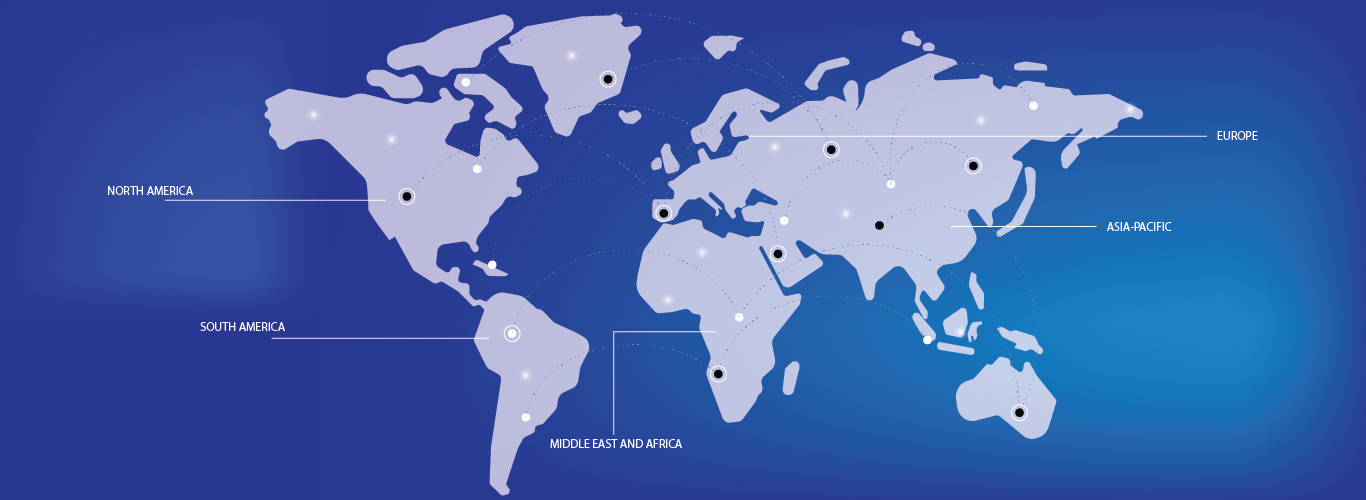
- North America dominated the robotic exoskeletons for rehabilitation market with the largest revenue share of 41.6% in 2024, driven by robust healthcare infrastructure, early adoption of advanced rehabilitation technologies, high healthcare spending, and the presence of key players such as Ekso Bionics and ReWalk Robotics
- Asia-Pacific is expected to be the fastest-growing region in the robotic exoskeletons for rehabilitation market, projected to expand at a CAGR of 17.4% from 2025 to 2032, driven by increasing investments in healthcare, rising incidences of physical disabilities, expanding elderly population, and growing awareness of robotic rehabilitation benefits in countries such as China, Japan, and India
- The mobile exoskeletons segment dominated the robotic exoskeletons for rehabilitation market with a revenue share of 46.3% in 2024, attributed to their portability, flexibility in rehabilitation settings, and suitability for both clinical and home-based use. These systems enable greater patient mobility, facilitate dynamic therapy sessions, and support a wider range of rehabilitation programs, positioning them as the preferred choice for enhancing patient engagement and outcomes in diverse care environments