- Sandhoff disease, also referred as beta-hexosaminidase-beta-subunit deficiency is a rare, inherited lipid storage disorder which is caused by a deficiency of the enzyme beta-hexosaminidase, resulting in the harmful accumulation of certain fats (lipids) in the brain or other organs. This ongoing accumulation of lipid affects the function of the nerve cells and causes other neurological problem.
- The increasing demand for Sandhoff disease treatment is primarily fueled by growing awareness of rare genetic disorders, advancements in diagnostic technologies, and a rising focus on personalized medicine and gene therapy.
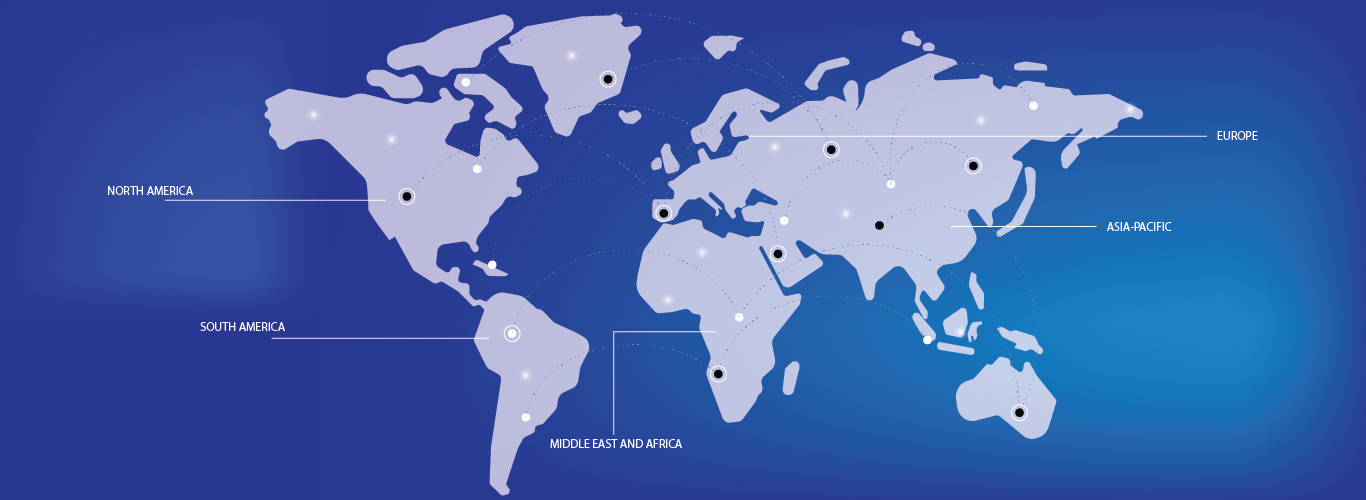
- North America leads the Global Sandhoff Disease Treatment Market, holding the largest revenue share of 40.01% in 2025. This dominance is attributed to early adoption of advanced medical treatments, high healthcare expenditure, and a strong presence of key pharmaceutical and biotech companies. The U.S. is witnessing substantial growth in treatment development and clinical trial activity, particularly driven by innovations in enzyme replacement and gene therapies from both established firms and biotech startups.
- The Asia-Pacific region is projected to be the fastest-growing market during the forecast period, propelled by increasing urbanization, expanding healthcare infrastructure, and rising disposable incomes, which improve access to rare disease diagnostics and treatment options.
- The infantile segment is expected to dominate the Sandhoff Disease Treatment Market with a market share of 43.2% in 2025. This is due to the higher prevalence and earlier onset of the disease in infants, leading to increased diagnosis rates and focused research and treatment efforts targeting this age group.