- Sanfilippo A, a rare lysosomal storage disorder caused by a deficiency in the enzyme heparan N-sulfamidase, is increasingly gaining attention in the rare disease therapeutics landscape due to the progressive and degenerative nature of the condition, which affects neurological function in children and leads to severe cognitive decline, behavioral issues, and shortened life expectancy
- The growing demand for effective Sanfilippo A treatments is primarily driven by increasing awareness among healthcare providers, the expansion of rare disease research funding, and the acceleration of gene and enzyme replacement therapy development by biotech firms targeting unmet medical needs
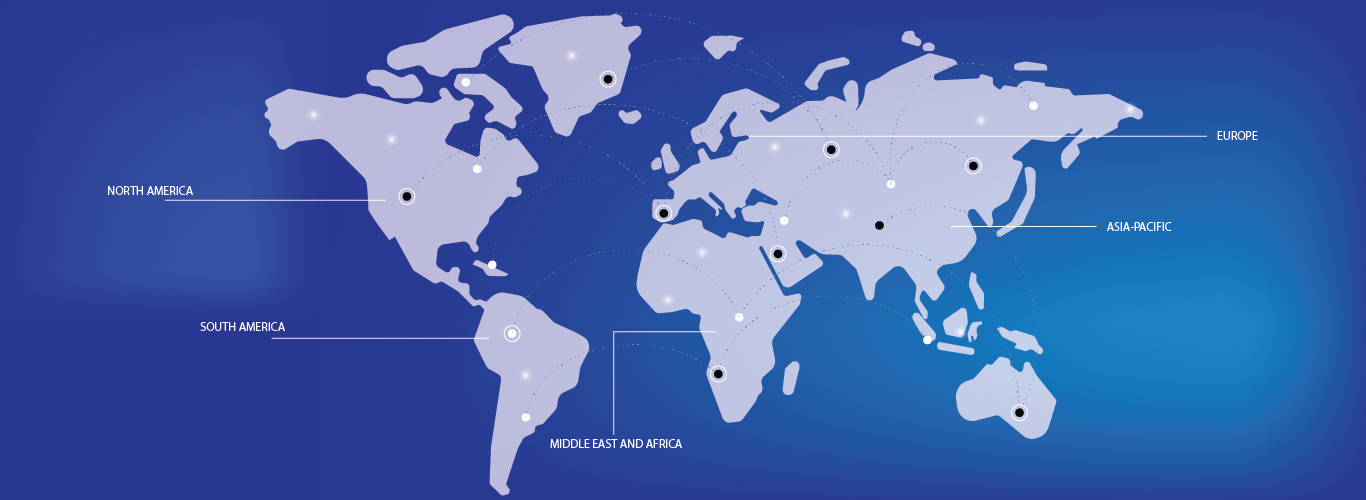
- North America dominated the Sanfilippo A market with the largest revenue share of 41.6% in 2024, characterized by early access to clinical trials, favorable reimbursement structures, and the strong presence of research institutions and pharmaceutical companies focused on rare pediatric disorders. The U.S. is witnessing significant growth in treatment access and diagnosis rates, supported by regulatory incentives such as orphan drug designations and expedited approval pathways
- Asia-Pacific is expected to be the fastest growing region in the Sanfilippo A market during the forecast period, with a projected CAGR of 19.4% from 2025 to 2032, due to increasing awareness, expanding healthcare infrastructure, and rising investments in rare disease research by regional governments and global collaborators
- Mucopolysaccharidosis Type III (Sanfilippo Syndrome) segment dominated the Sanfilippo A market with a market share of 42.7% in 2024, driven by targeted research efforts, higher diagnostic awareness, and a growing patient focus. This segment benefits from increased clinical trial activity and disease-specific foundations supporting early detection and therapeutic development