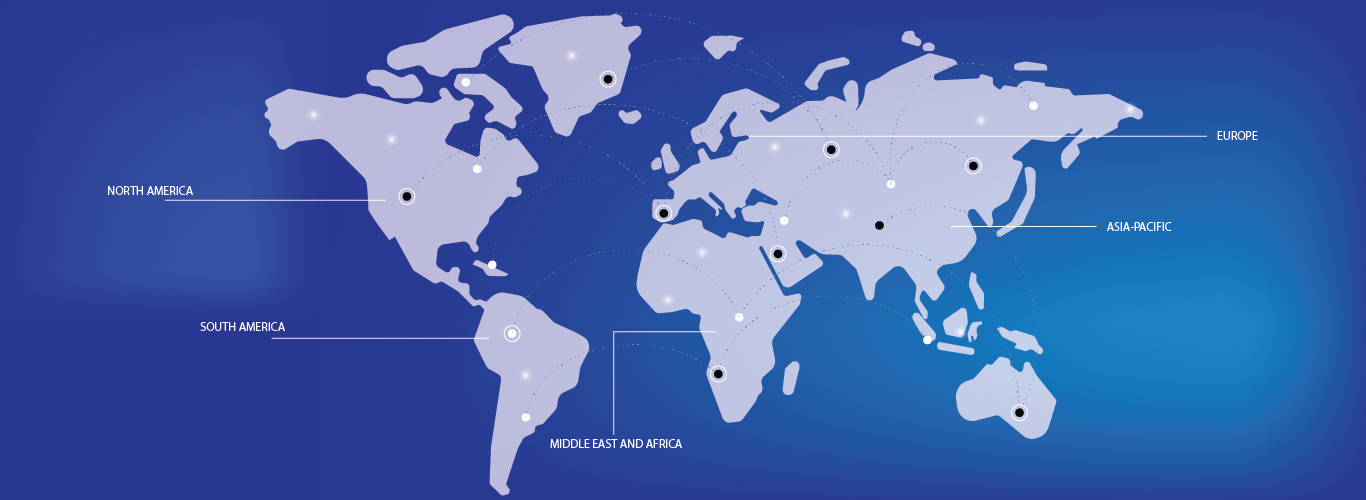
- The Asia-Pacific region holds the largest share of the global selective soldering market, accounting for approximately 40–45% of total revenue in 2024. This dominance is primarily driven by the region’s strong electronics manufacturing base, particularly in countries such as China, Japan, South Korea, Taiwan, and India. Rapid industrialization, significant investments in surface mount technology (SMT) lines, and growing demand from consumer electronics, automotive, and telecommunications sectors continue to fuel market growth. Government initiatives like “Made in China 2025” and “Digital India” further enhance the demand for automated and precision soldering systems.
- In North America, the market is growing steadily, driven by high adoption of automation technologies, a strong presence of electronics OEMs and EMS providers, and increasing application in aerospace, defense, and medical devices. The United States leads the region, supported by early implementation of Industry 4.0 practices and strict regulatory requirements for manufacturing quality and reliability.
- Europe follows closely, with key markets including Germany, the UK, France, and Italy. The region benefits from a mature automotive electronics industry, particularly in electric vehicles and ADAS (Advanced Driver Assistance Systems). European manufacturers prioritize high-reliability, low-defect-rate soldering processes, and are focused on sustainable, energy-efficient production systems, which further promote the use of selective soldering technologies.
- Latin America is an emerging market with growing demand for selective soldering, particularly in Brazil and Mexico. Expanding automotive manufacturing, along with increased electronics assembly operations due to nearshoring strategies, are key growth drivers. While still developing, the region is gradually integrating automated soldering systems to enhance production efficiency and meet global standards.
- The Middle East and Africa region represents the smallest share of the global market but is expected to grow gradually. Countries such as the UAE, Saudi Arabia, and South Africa are investing in industrial and electronics manufacturing infrastructure, albeit at a modest pace. Growth is largely import-driven and centered around small to mid-scale assembly operations, with potential for long-term expansion as automation technologies become more accessible.