- Self-powered implantable medical devices are advanced solutions that generate energy within the body, eliminating the need for external power sources or battery replacements. They enable continuous monitoring and therapy for chronic conditions, enhancing patient outcomes and treatment efficiency
- The market is growing rapidly due to the rising burden of chronic diseases, demand for durable and minimally invasive implants, and advancements in energy harvesting technologies. An aging population, improved healthcare infrastructure, and supportive policies are further driving adoption, particularly in cardiology, neurology, and orthopedics
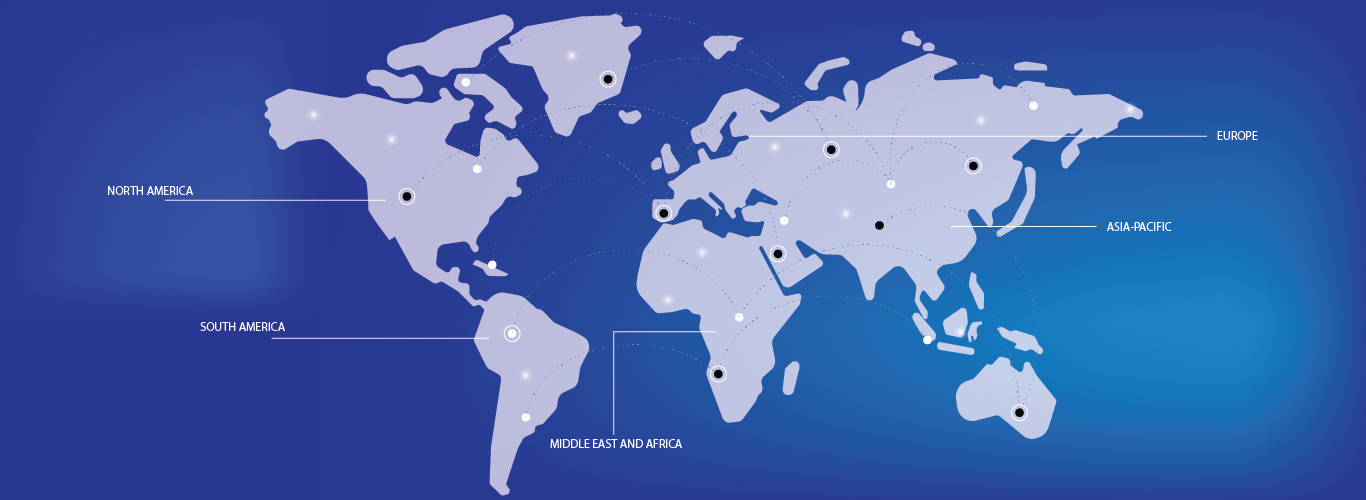
- North America is expected to dominate the self-powered implantable medical devices market with a share of with a share of 43.65%, due to the early adoption of advanced medical technologies, a well-established healthcare infrastructure, and significant investments in R&D for next-generation implantable devices
- Asia-Pacific is expected to be the fastest growing region in the self-powered implantable medical devices market during the forecast period due to increasing healthcare investments, rising awareness of advanced treatment options, and a growing patient population
- Metallic segment is expected to dominate the market with a market share of 49.30% due to its superior mechanical strength, corrosion resistance, and excellent biocompatibility. Metals such as titanium and its alloys are widely used in implants because they can withstand physiological loads and function effectively over extended periods without degrading. Their ability to integrate well with biological tissues also reduces the risk of rejection, making them the preferred choice for critical applications such as orthopedic, dental, and cardiovascular implants