- Self-sterilizing medical devices, which utilize technologies such as UV-C light, antimicrobial coatings, and automated disinfection systems, are becoming essential tools in modern healthcare and clinical environments due to their enhanced ability to reduce pathogen transmission and ensure continuous sterilization
- The rising demand for infection control, particularly in the wake of global health crises and the growing burden of hospital-acquired infections (HAIs), is a primary driver accelerating the adoption of self-sterilizing technologies across hospitals, ambulatory centers, and diagnostic facilities
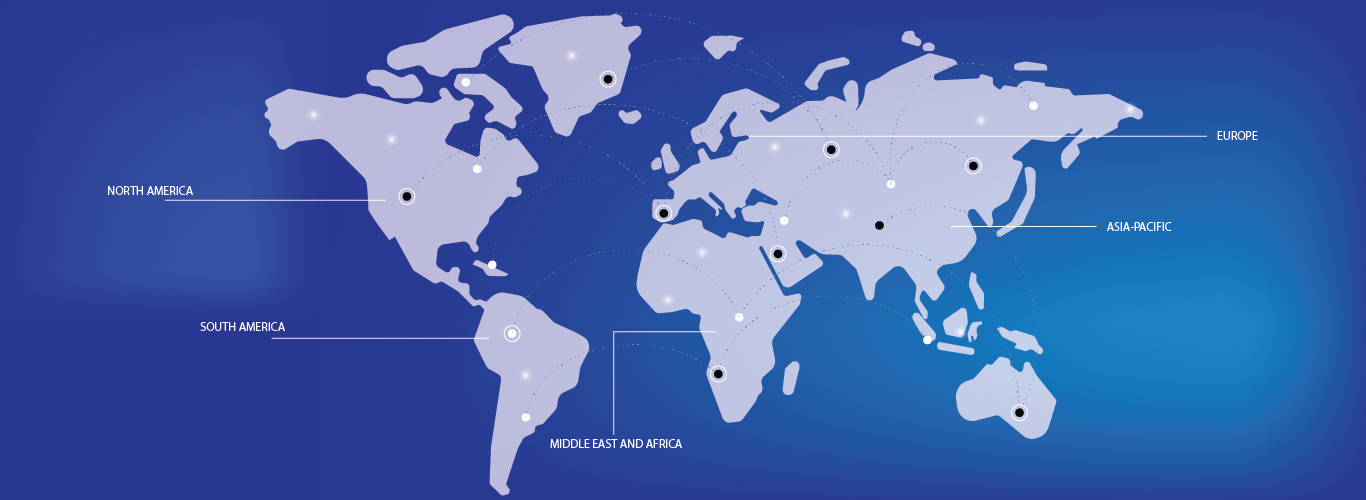
- North America dominated the self-sterilizing medical devices market with the largest revenue share of 38.9% in 2024, supported by strong healthcare infrastructure, significant investments in medical innovation, and regulatory emphasis on infection prevention protocols
- Asia-Pacific is projected to be the fastest-growing region in the self-sterilizing medical devices market during the forecast period, with a CAGR of 13.5%. This growth is driven by rapidly expanding healthcare infrastructure, rising awareness of infection control, and the adoption of affordable sterilization technologies in emerging economies such as China and India
- The self-sterilizing surgical instruments segment dominated the largest market revenue share of 36.5% in 2024, driven by the growing number of surgical procedures and the critical need to prevent surgical site infections. These instruments are particularly vital in high-risk environments such as ICUs and operating rooms, where infection control is paramount.