- Sepsis is a life-threatening condition caused by the body’s extreme response to infection, leading to tissue damage, organ failure, and potentially death. Effective treatment requires a combination of rapid diagnosis, antimicrobial therapy, hemodynamic support, and organ support measures.
- The demand for sepsis treatment is significantly fueled by the rising prevalence of hospital-acquired infections, the growing geriatric population, and the increasing number of surgeries and ICU admissions globally.
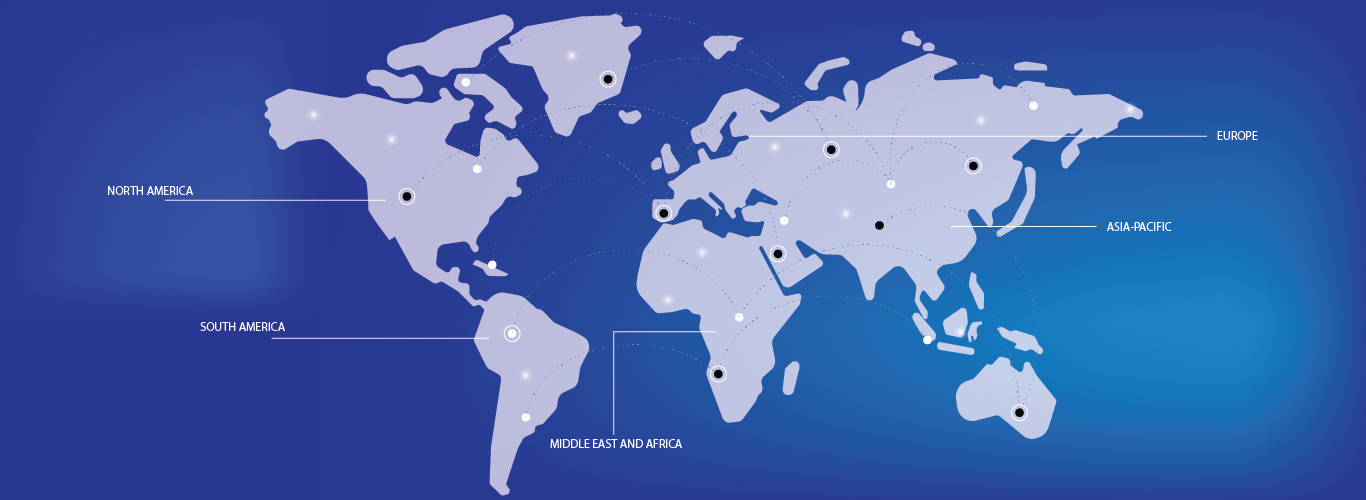
- North America is expected to dominate the global sepsis treatment market due to well-established healthcare systems, higher healthcare spending, and early adoption of advanced therapies.
- Asia-Pacific is projected to be the fastest-growing region due to improving healthcare infrastructure, growing awareness of sepsis management, and increasing government initiatives for infection control.
- The "Sepsis" stage segment currently holds 48.4% market share due to the high incidence rate and need for prompt medical intervention. Antibiotics remain the cornerstone of treatment, but the market is also witnessing innovations in immunomodulatory therapies and supportive care.