- Shigellosis gastroenteritis treatment involves a combination of antibiotic therapy and rehydration strategies, essential for managing and controlling the disease, especially in vulnerable populations such as children and the elderly. Effective treatment options reduce disease duration, prevent complications, and limit transmission
- The market is significantly driven by the rising global burden of diarrheal diseases, especially in low- and middle-income countries, where Shigella is a leading cause of bacterial diarrhea. Improved diagnostics, increased public health efforts, and the development of novel therapeutics are further supporting market expansion
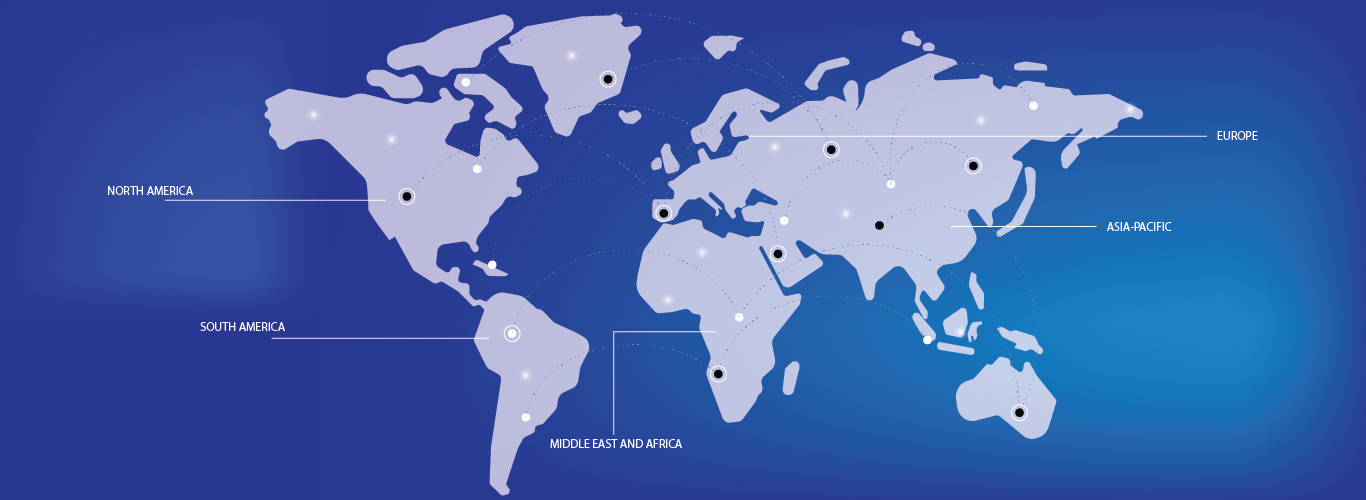
- Asia-Pacific is expected to dominate the global shigellosis gastroenteritis treatment market, accounting for a share of 41.2%, due to strong healthcare infrastructure, high awareness, and access to a broad range of antibiotics and supportive therapies
- is projected to be the fastest-growing region during the forecast period, driven by high disease prevalence, ongoing healthcare improvements, and expanding antibiotic access programs across developing nations
- The ciprofloxacin segment is expected to lead the market with a share of 33.1%, owing to its proven efficacy, broad-spectrum action, and widespread availability. Despite growing concerns over resistance, ciprofloxacin remains a frontline treatment in many clinical settings due to its established use and cost-effectiveness. Emerging alternatives like azithromycin and newer therapeutic approaches are gaining traction, especially in regions with high resistance profiles, but ciprofloxacin continues to dominate due to clinician familiarity and established treatment protocols