- Sickle cell disease treatments are essential medical interventions aimed at managing a chronic, inherited blood disorder that affects haemoglobin within red blood cells. These treatments are vital in reducing the frequency of pain crises, preventing organ damage, and improving the overall quality of life for affected individuals. The treatment landscape includes disease-modifying agents, pain management therapies, blood transfusions, and curative approaches such as gene and stem cell therapy
- The demand for sickle cell disease treatments is significantly driven by the increasing prevalence of the disease, especially in Sub-Saharan Africa, India, the Middle East, and among individuals of African descent in North America and Europe. Globally, more than 300,000 infants are born with sickle cell disease annually, with the majority in low- and middle-income countries. The rising disease burden, coupled with improved diagnostic capabilities and awareness, continues to drive market growth
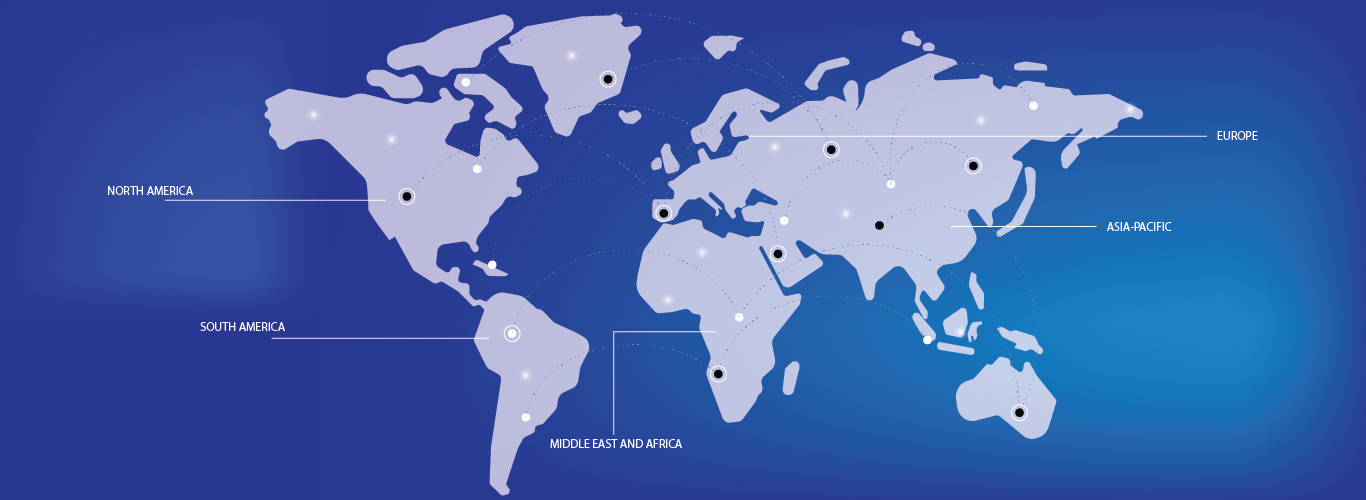
- The North America region stands out as one of the dominant markets for sickle cell disease treatments, supported by a well-established healthcare infrastructure, advanced research in gene therapy, and strong regulatory pathways
- For instance, the United States has seen rapid adoption of newly approved therapies such as voxelotor (Oxbryta), crizanlizumab (Adakveo), and the emergence of gene editing technologies such as Casgevy (CRISPR-based therapy). North America not only offers a large treatment base but also leads in innovation and clinical trial activity in the sickle cell disease space
- Globally, treatments for sickle cell disease are recognized as some of the most impactful advancements in rare disease therapeutics. With curative gene therapy options entering the market and disease-modifying drugs gaining traction, the sickle cell disease treatment landscape is undergoing a significant transformation. This shift is expected to redefine long-term disease management and expand access to life-changing therapies worldwide