- Skincare packaging represents a high-value segment defined by functional integrity, premium substrates, and specialized dispensing mechanisms that preserve product efficacy and shelf life while elevating brand perception. Packaging formats such as airless pumps, dropper bottles, tubes, jars, and compacts are widely used for serums, creams, lotions, and masks, catering to diverse formulations (viscous creams, delicate oils, hydrating gels).
- Heightened consumer inclination toward “clean beauty” and eco-responsible packaging—where recyclability, refillability, and minimalistic design become part of the brand narrative—is fueling adoption of mono-material structures and paperboard combiners in luxury and mass segments alike. Leading converters are investing in multi-layer co-extrusion lines, high-precision injection molding, and aseptic filling equipment to meet stringent barrier and aseptic requirements, while also pursuing certifications (FSC, ISO 15378) to satisfy eco-conscious end-users.
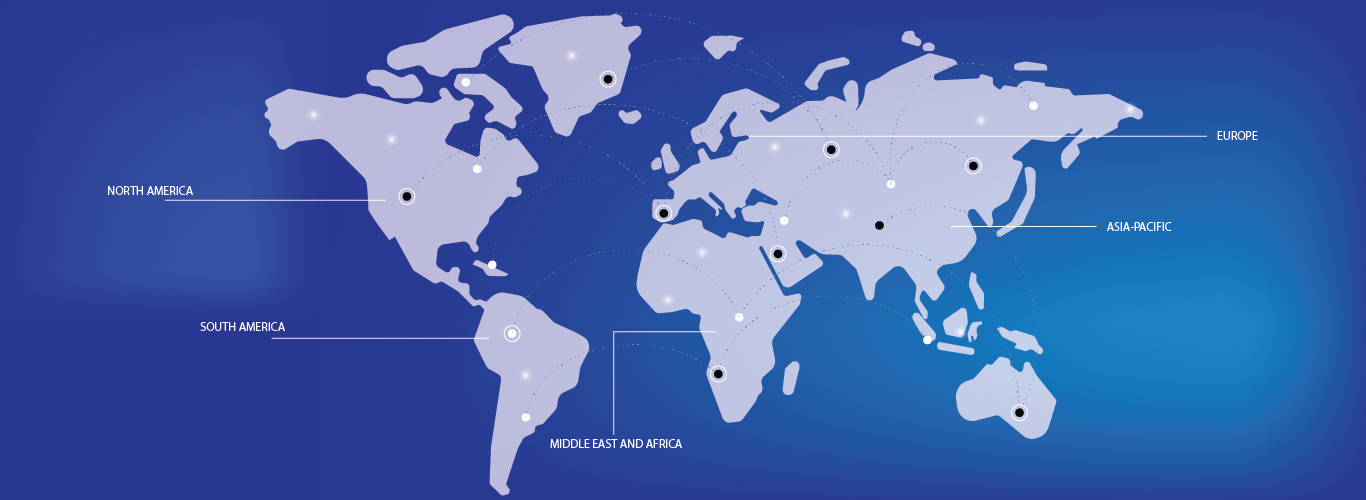
- North America held a dominant share of 30.1% in 2024, supported by a robust premium skincare sector, elevated consumer spending on anti-aging and organic products, and well-established infrastructure for advanced packaging converting. The U.S. leads regional consumption, driven by direct-to-consumer prestige brands, dermatologist-endorsed formulations, and specialty beauty boutiques emphasizing limited-edition packaging as a marketing differentiator.
- Europe is the second-largest region, accounting for 28.4% of global revenue in 2024. Heritage skincare houses in France, Italy, and the U.K. invest heavily in bespoke glass compacts, eco-refill pouches, and aluminum jars—often produced domestically to control quality and ensure fast turnaround. Regulatory emphasis on plastic reduction, extended producer responsibility (EPR) laws, and EU Single-Use Plastics Directive is accelerating adoption of recycled PET (rPET) bottles and paperboard sleeves.
- Asia-Pacific is forecast to be the fastest-growing region over 2025–2032, with a CAGR of 7.0%. Growth is fueled by rising disposable incomes in China and India, rapid urbanization, and surging demand for prestige packaged cosmetics, K-beauty innovations, and premium sun-care products. Leading e-commerce platforms are also promoting premium unboxing experiences—prompting local brands to upgrade packaging aesthetics (foil stamping, holographic labels) and functionality (airless vials, dropper pumps)