- Sleep bruxism, characterized by involuntary grinding or clenching of teeth during sleep, is increasingly recognized as a significant sleep-related movement disorder. It is gaining clinical attention due to its association with tooth damage, jaw disorders, headaches, and sleep disturbances, impacting both dental health and overall well-being.
- The growing demand for diagnostic accuracy and personalized treatment is primarily driven by the increasing incidence of stress-related disorders, sleep apnea, and gastroesophageal reflux disease (GERD)—conditions strongly linked with the onset of sleep bruxism.
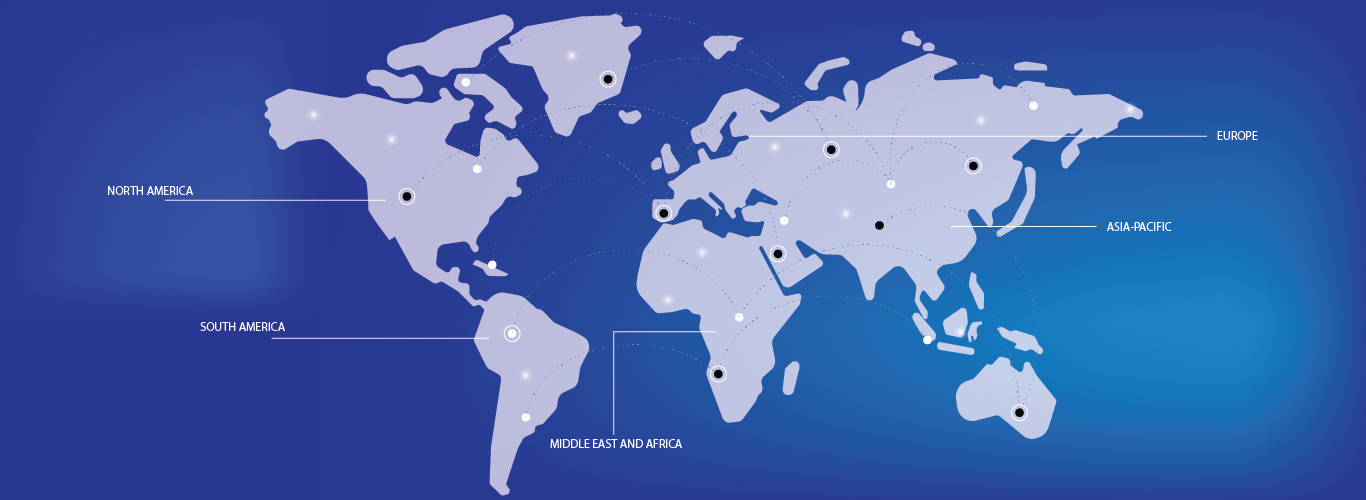
- North America dominates the sleep bruxism market with the largest revenue share of 37.5% in 2025, supported by high awareness levels, widespread access to sleep diagnostic facilities, strong healthcare infrastructure, and a growing focus on oral health. The U.S. in particular is witnessing an uptick in dental clinic consultations and custom mouthguard prescriptions, further accelerated by technological advancements in diagnostic methods such as polysomnography and EMG.
- Asia-Pacific is projected to be the fastest-growing region during the forecast period, fueled by increased stress levels in urban populations, rising healthcare expenditure, and growing access to non-invasive bruxism treatments and dental care services.
- The mouth guard segment is expected to dominate the implants category with a market share of 45.8% in 2025, driven by its widespread use as a first-line intervention, ease of customization, affordability, and strong adoption by both general dentists and sleep specialists.