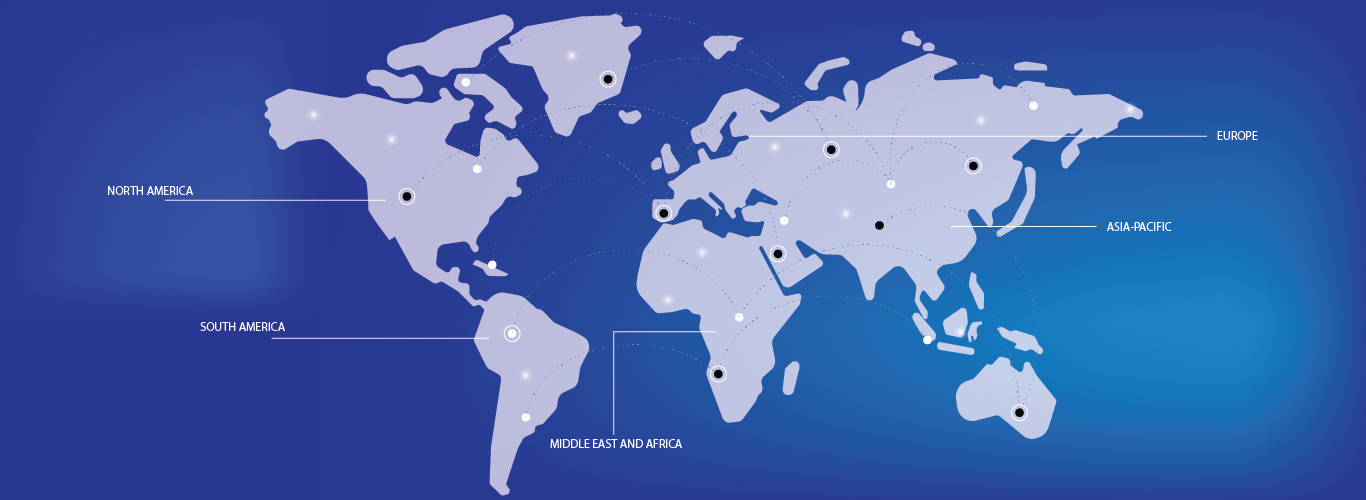
- The smart antenna market is experiencing rapid global growth, driven by the increasing demand for high-speed wireless communication, the adoption of 5G networks, and the rising integration of IoT devices in various industries. These factors are propelling the need for advanced antennas that offer better signal quality, reliability, and connectivity, especially in mobile and automotive applications, thus improving overall communication efficiency and user experience
- Market expansion is further supported by favorable regulatory frameworks, technological advancements in beamforming and adaptive antenna systems, and the growing focus on smart city projects. These developments are enhancing connectivity across urban infrastructure, industrial automation, and vehicle safety systems, enabling more efficient communication networks worldwide
- For instance, in China, Huawei Technologies is leading the charge in 5G smart antenna development, enhancing both urban connectivity and vehicle-to-everything (V2X) communication, playing a pivotal role in transforming communication networks and driving the next wave of innovation in 5G technology
- Globally, the smart antenna market is being reshaped by innovations such as location-aware antennas, adaptive array systems, and multibeam technologies that provide more efficient and scalable solutions for telecommunications, automotive, and industrial sectors. These trends, coupled with increased investment from key industry players such as Ericsson and Qualcomm, are ensuring sustained growth and innovation in the smart antenna sector