- Smart ports leverage advanced technologies to automate cargo handling, track vessels, manage energy usage, and streamline customs procedures, resulting in faster turnaround times, lower operational costs, and improved sustainability
- The increasing global trade volumes, rising demand for efficient supply chain operations, and supportive government initiatives for digital port transformation are key factors propelling the adoption of smart port solutions across major seaports and inland terminals
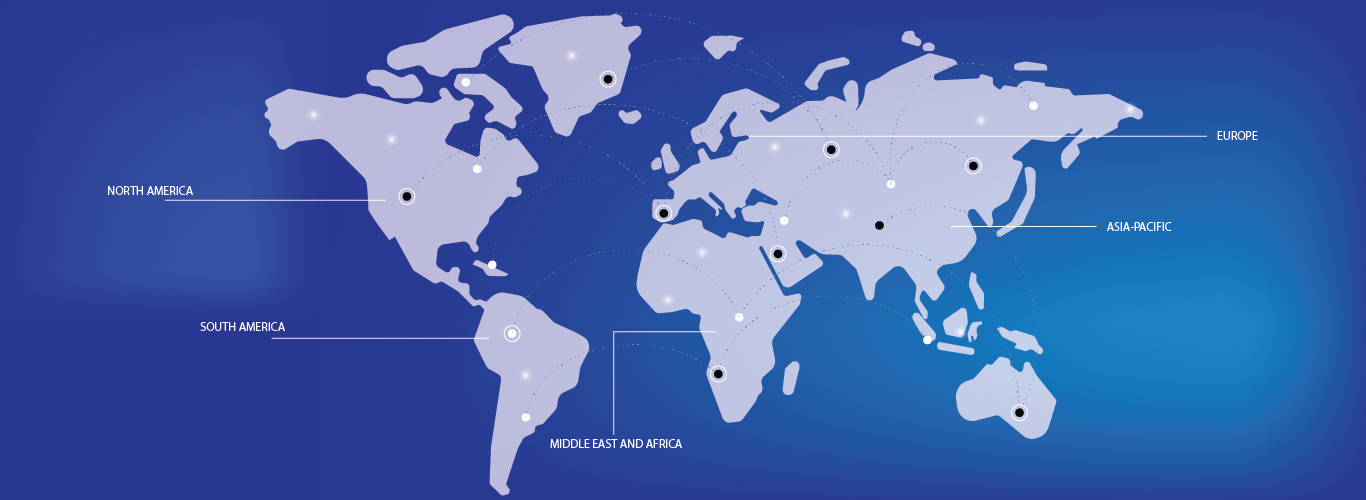
- Asia-Pacific dominated the smart port market with a share of 39.6% in 2024, due to large-scale port infrastructure upgrades, robust maritime trade growth, and increasing government investments in digital port modernization
- North America is expected to be the fastest growing region in the smart port market during the forecast period due to increasing emphasis on port security, real-time cargo visibility, and climate-resilient infrastructure
- Process automation segment dominated the market with a market share of 33.6% in 2024, due to its pivotal role in streamlining port operations by minimizing manual intervention, reducing human error, and increasing overall efficiency. Automated systems enhance cargo handling, berth scheduling, and customs clearance, resulting in faster turnaround times and improved resource utilization. As ports face growing pressure to manage increasing trade volumes while maintaining cost-effectiveness, process automation offers scalable solutions that support real-time data processing, integration with existing infrastructure, and compliance with global standards, making it the preferred technology for modernizing port ecosystems