- Spelt milk is a non-dairy, plant-based milk alternative made from spelt, an ancient grain related to wheat. It is produced by soaking spelt grains in water, blending them, and then straining the mixture to remove solids. Spelt milk is naturally lactose-free and is often chosen as a dairy alternative by individuals with lactose intolerance or those following a vegan diet. It is rich in nutrients such as fiber, vitamins, and minerals, and has a slightly sweet and nutty flavor
- The escalating demand for spelt milk is primarily fueled by the growing prevalence of lactose intolerance, rising vegan and flexitarian dietary trends, and a broader shift toward sustainable, non-dairy milk options among environmentally aware consumers
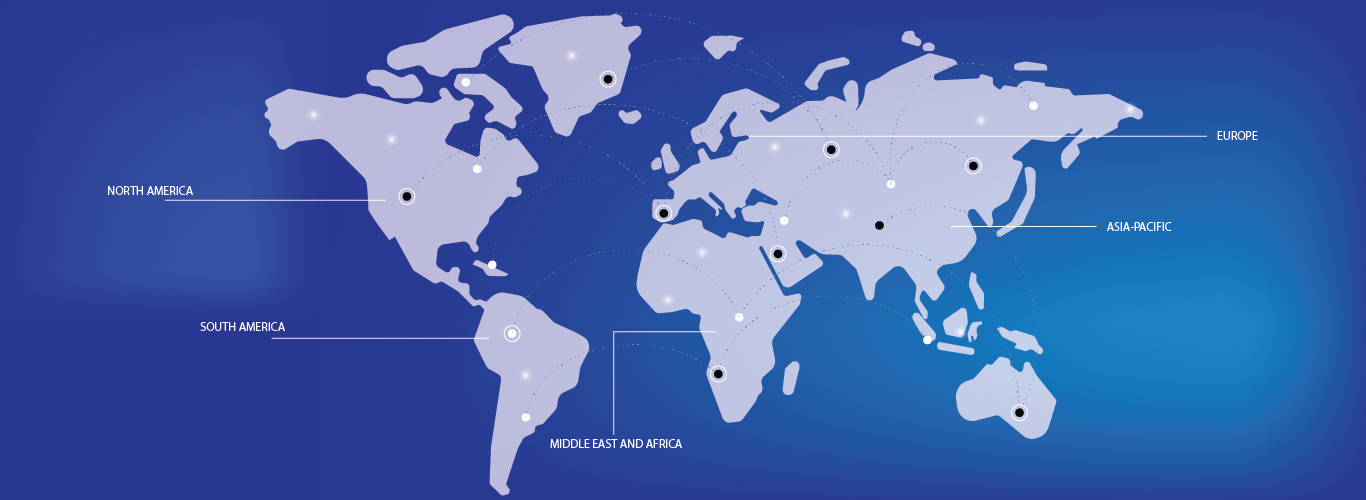
- Europe dominated the spelt milk market with a share of 38.9% in 2024, due to a strong consumer base for organic and plant-based products, widespread lactose intolerance, and a well-established retail infrastructure for health-focused beverages
- North America is expected to be the fastest growing region in the spelt milk market during the forecast period due to increasing lactose intolerance, growing vegan and flexitarian populations, and a surge in demand for nutritious dairy alternatives
- Liquid segment dominated the market with a market share of 68.9% due to its ready-to-consume format, growing demand for non-dairy milk alternatives in cafes and households, and its application in smoothies, cereals, and baking. Liquid spelt milk's convenience and flavor appeal are major contributors to its preference in urban markets, where consumers seek healthy, quick, and versatile beverage options