- Supplementary cementitious materials (SCMs) are industrial by-products or natural materials—such as fly ash, slag, silica fume, and calcinated clay—that are used to partially replace Portland cement in concrete mixtures, improving strength, durability, and sustainability. These materials help reduce cement-related CO₂ emissions while enhancing long-term concrete performance
- The growing emphasis on eco-efficient construction, combined with the availability of SCMs through industrial recycling, is driving their increased usage across residential, commercial, and infrastructure projects. Supportive environmental policies and advancements in blended cement technologies are further catalyzing market expansion
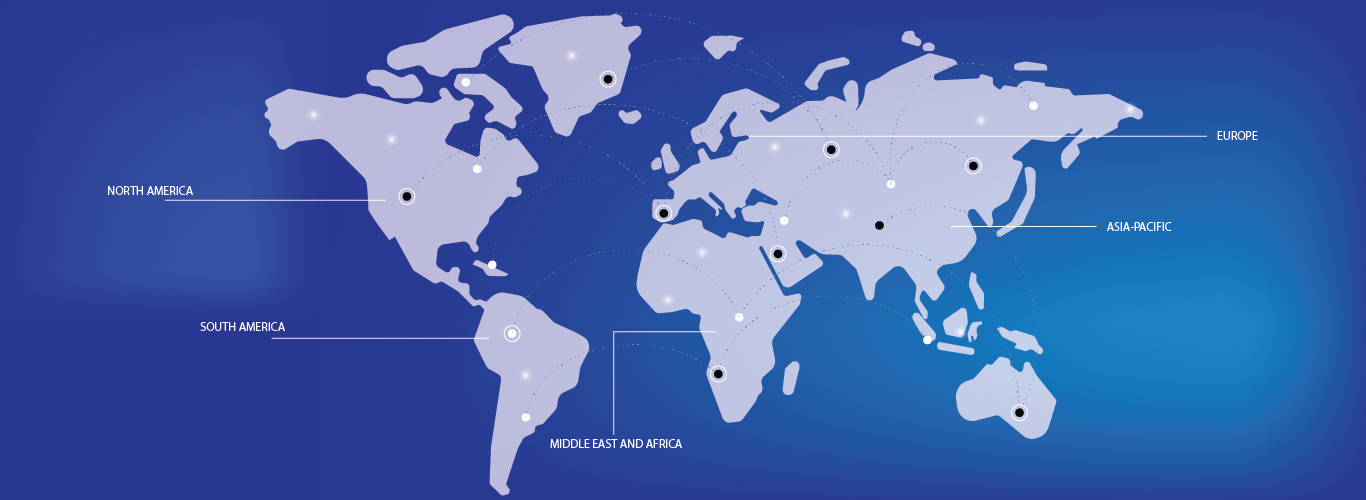
- North America dominated the supplementary cementitious materials market in 2024, due to increased infrastructure rehabilitation, growing adoption of sustainable construction practices, and government support for low-carbon building materials
- Asia-Pacific is expected to be the fastest growing region in the supplementary cementitious materials market during the forecast period due to rapid urbanization, government infrastructure investments, and increasing environmental consciousness in countries such as China, India, and Japan
- Fly ash segment dominated the market with a market share of 37% in 2024, due to its widespread availability as a by-product of coal-fired power plants and its proven effectiveness in enhancing concrete durability and workability. Fly ash offers pozzolanic properties that reduce permeability, improve long-term strength, and lower the carbon footprint of cement production, making it a preferred choice for sustainable construction projects across both public and private sectors. The segment’s growth is further bolstered by its cost-efficiency and compatibility with traditional cement mixes, encouraging adoption in both developed and developing economies