- Surgical site infection control (SSIC) solutions, encompassing a range of products and protocols designed to prevent and manage infections occurring at surgical sites, are increasingly vital components of modern healthcare systems in both hospital and outpatient settings due to their enhanced patient safety, reduced healthcare costs, and seamless integration with comprehensive infection prevention strategies
- The escalating demand for SSIC solutions is primarily fueled by the rising global burden of healthcare-associated infections (HAIs), growing awareness among healthcare providers and patients regarding infection risks, and increasing regulatory emphasis on patient safety and quality of care
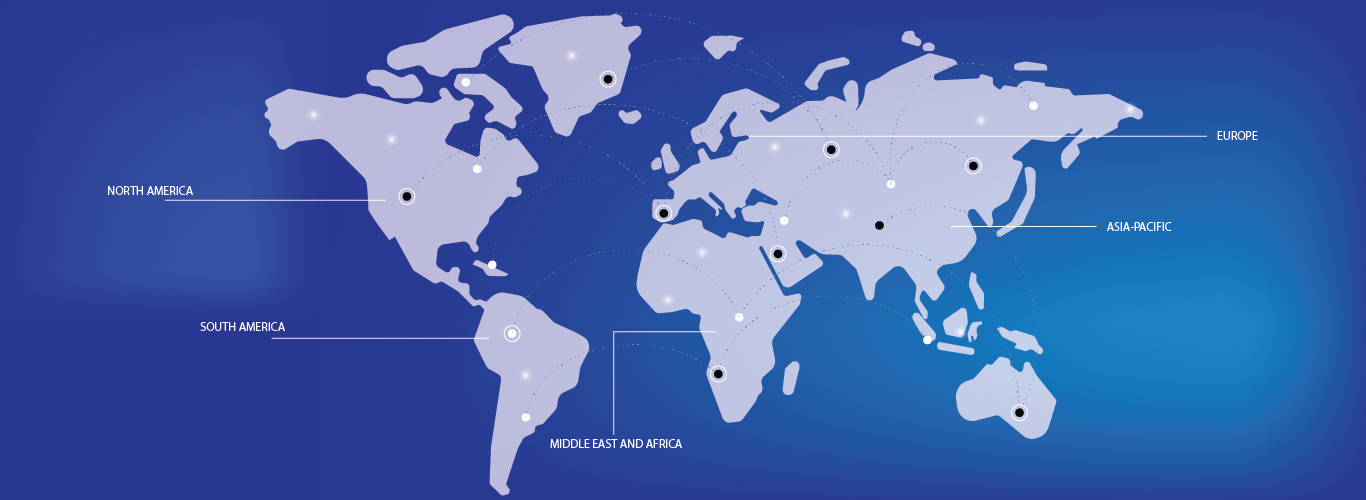
- North America dominates the surgical site infection control market with the largest revenue share of 34.2% in 2024, characterized by advanced healthcare infrastructure, high healthcare expenditure, and a strong presence of key industry players
- Asia-Pacific is expected to be the fastest growing region in the surgical site infection control market during the forecast period, with a projected CAGR of 16.50% from 2025 to 2032, due to increasing healthcare infrastructure development, rising surgical volumes, and growing awareness about infection prevention in developing economies
- Superficial incisional SSI dominates the surgical site infection control market, with a market share of 53.5%, driven by their higher incidence compared to deeper and organ/space infections, making them the most frequently encountered type of surgical site infection and thus necessitating the largest volume of related diagnostic, preventive, and treatment interventions