- Sézary syndrome is an aggressive form of cutaneous T-cell lymphoma characterized by erythroderma, lymphadenopathy, and malignant T-cells in blood. It requires systemic and often long-term management using targeted immunotherapies and supportive care
- The market is expanding due to heightened diagnostic awareness, especially through flow cytometry and skin biopsies, and improved access to novel therapies including HDAC inhibitors and monoclonal antibodies
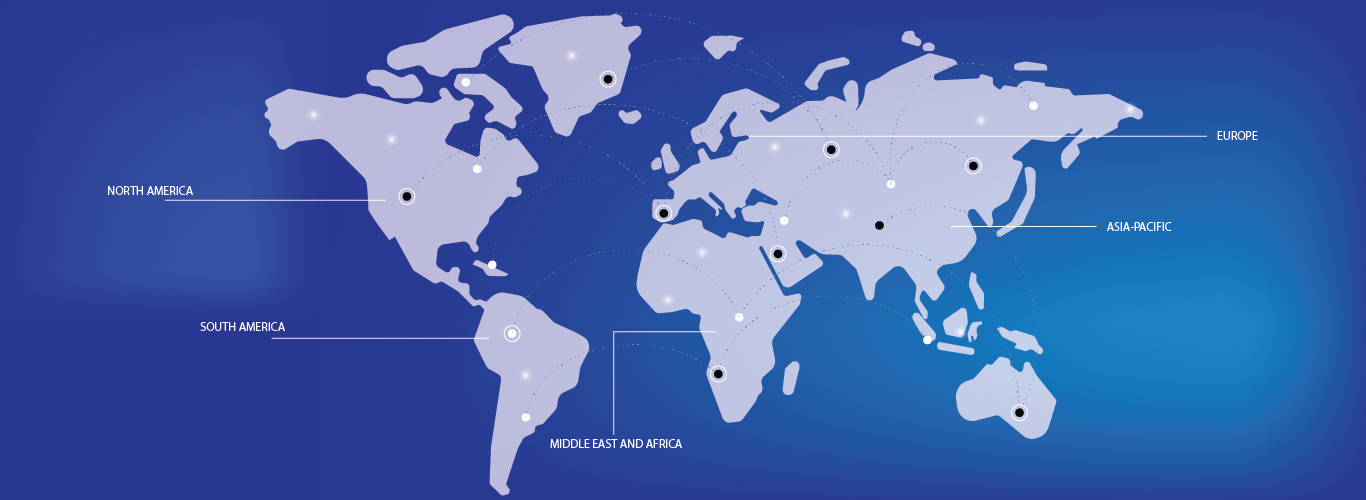
- North America is expected to dominate the sézary syndrome market with a share of 42.7%, driven by advanced diagnostic capabilities, higher disease awareness, and early access to FDA-approved therapies
- Asia-Pacific is projected to be the fastest growing region during the forecast period due to increasing incidence reporting, improved access to specialized cancer centers, and introduction of biosimilars
- In 2025, the immunotherapy segment is projected to dominate the market with market share of 39.6% due to its high efficacy, lower systemic toxicity compared to chemotherapy, and its ability to offer long-lasting immune response in various cancers and immune-related disorders