- Technical insulation involves materials and methods used to insulate industrial and commercial equipment, such as pipes, tanks, and HVAC insulation systems. It helps in thermal management, reducing energy loss, and controlling surface temperatures. Key benefits include energy efficiency, cost savings, and enhanced safety by minimizing heat transfer and preventing condensation and corrosion in various applications
- The escalating demand for technical insulation is primarily fueled by the expansion of industrial operations, growth in HVAC and district energy systems, and heightened focus on fire safety, acoustic control, and thermal performance in both new construction and retrofit projects
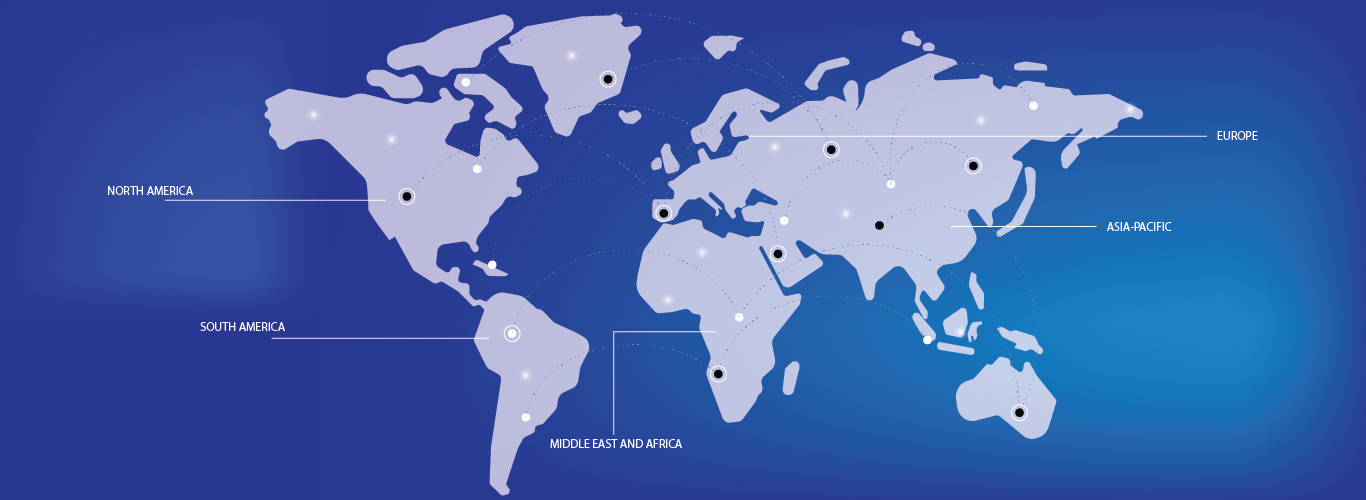
- Asia-Pacific dominated the technical insulation market with a share of 40.1% in 2024, due to rapid industrialization, growing energy infrastructure, and rising construction activities across emerging economies
- North America is expected to be the fastest growing region in the technical insulation market during the forecast period due to the need to upgrade aging industrial infrastructure, reduce operational energy costs, and comply with building energy codes.
- Hot insulation segment dominated the market with a market share of 41.1% in 2024, due to its critical role in minimizing heat loss in high-temperature industrial applications. These insulation materials are widely used in power plants, petrochemical facilities, and processing industries where thermal efficiency, personnel protection, and energy conservation are paramount. Their ability to withstand extreme temperatures while maintaining structural integrity contributes to widespread adoption across energy-intensive sectors