- Innovations in sensor technology, including radar, LiDAR, and ultrasonic sensors, are enhancing the capabilities of TJA systems. The integration of artificial intelligence (AI) and machine learning algorithms allows for more accurate vehicle detection, lane tracking, and adaptive cruise control, improving overall system reliability.
- Traffic Jam Assist features are increasingly being designed for compatibility with broader in-vehicle infotainment and connectivity platforms. Integration with voice assistants such as Amazon Alexa, Google Assistant, and Apple CarPlay allows drivers to activate, monitor, and adjust assist functions using natural language commands, reducing distraction and supporting hands-free operation. This trend mirrors the broader move toward unified, user-friendly vehicle control interfaces.
- The growing demand for luxury and high-performance vehicles equipped with advanced features is propelling the integration of TJA systems. Automakers are increasingly offering TJA as a standard or optional feature, enhancing driving comfort and safety in congested traffic conditions.
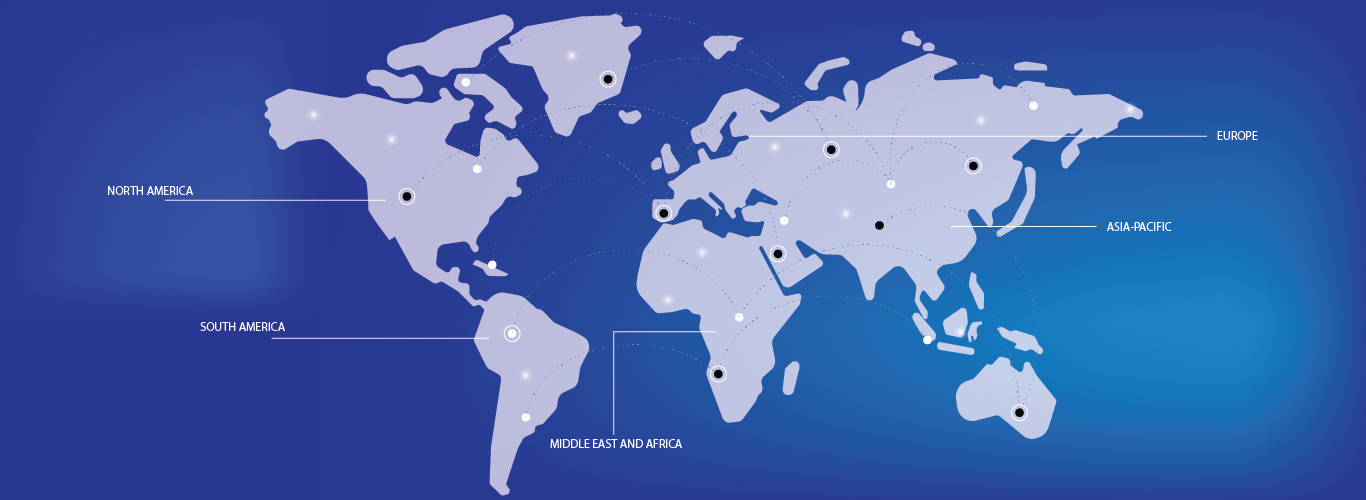
- North America dominates the Traffic Jam Assist Systems Market with the largest revenue share of 45.09% in 2024, due to presence of technologically advanced research institutes and prominent players within the regions.
- Asia-Pacific is expected to be the fastest growing region in the Traffic Jam Assist Systems Market due to Growing Demand for Advanced Driver Assistance Systems (ADAS).
- Level 2 segment dominates the Traffic Jam Assist Systems Market with a market share of 60.6% in 2024, driven increase in road accidents due to human error is a major driver, prompting both consumers and regulators to seek advanced safety features like traffic jam assist systems to reduce collision risks and enhance overall vehicle safety.