- Transdermal patches, providing controlled and sustained drug delivery through the skin, are increasingly favored for their non-invasive administration, improved patient compliance, and ability to maintain steady plasma drug levels in chronic disease management
- The escalating demand for transdermal patches is primarily driven by the rising prevalence of chronic conditions such as cardiovascular diseases, diabetes, pain management, and neurological disorders, along with advancements in patch technology including microneedle and iontophoresis-enabled systems
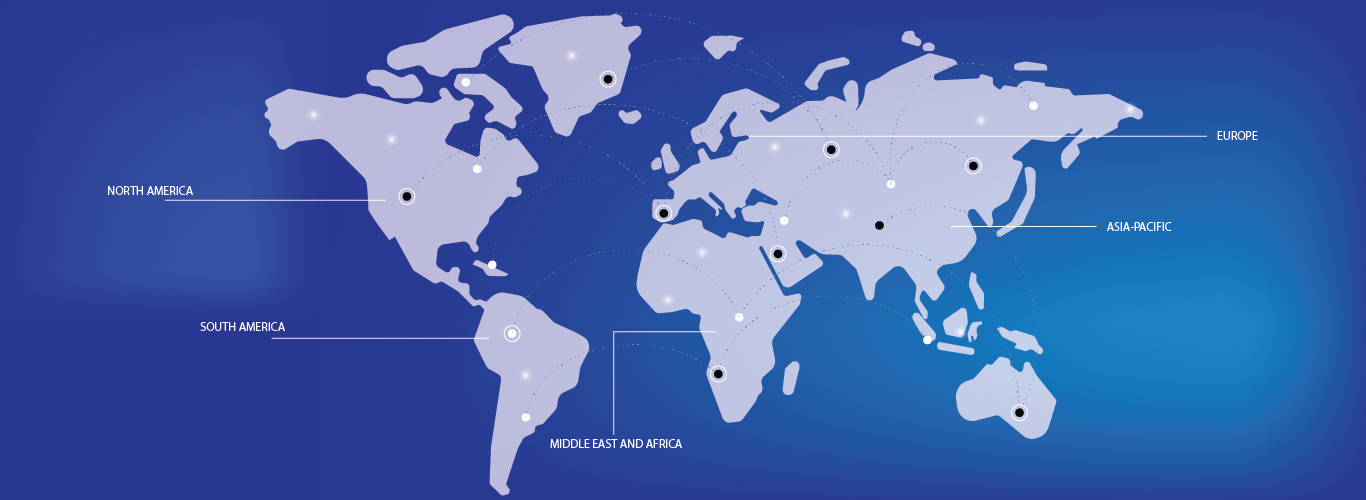
- North America dominates the transdermal patches market with the largest revenue share of approximately 38.5% in 2024, attributed to well-established healthcare infrastructure, high patient awareness, and strong pharmaceutical R&D investments. The U.S. leads in market adoption due to approvals of novel transdermal drug delivery systems and collaborations between biotech companies and medical device manufacturers
- Asia-Pacific is expected to be the fastest-growing region in the transdermal patches market during the forecast period, driven by increasing healthcare expenditure, expanding geriatric population, growing chronic disease burden, and improving regulatory frameworks supporting innovative drug delivery platforms in countries such as China and India
- The fentanyl transdermal patch segment is expected to dominate the transdermal patches market, holding approximately 45.3% market share in 2024This dominance is due to its extensive use in managing chronic and severe pain conditions such as cancer pain. Its effectiveness, coupled with advancements in controlled-release technology, supports steady market demand and ongoing product innovations