- Triple negative breast cancer (TNBC) is a highly aggressive subtype of breast cancer that lacks estrogen, progesterone, and HER2 receptors, making it challenging to treat with traditional hormone or targeted therapies. It often requires a combination of chemotherapy, immunotherapy, and experimental treatments
- The market for TNBC treatments is significantly driven by increasing disease prevalence, growing awareness, and ongoing advancements in oncology research. The urgent need for more effective treatment options continues to propel investments in clinical trials and drug development
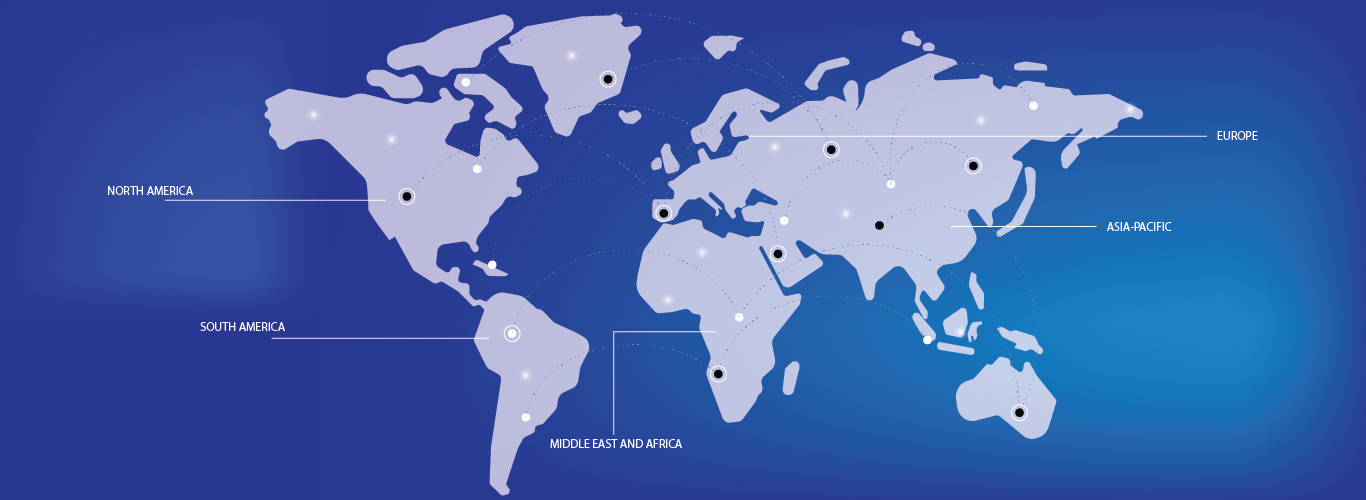
- North America remains a leading region in the TNBC market, supported by strong healthcare infrastructure, higher diagnosis rates, and robust R&D pipelines from major pharmaceutical companies
- For instance, the U.S. has seen a consistent rise in TNBC-focused clinical trials, with key players developing novel immunotherapies and antibody-drug conjugates. The region also benefits from supportive regulatory pathways and fast-track drug approvals
- Globally, treatments for triple negative breast cancer are considered among the top priorities in breast cancer research, given the subtype’s aggressive nature and limited treatment options, making innovation in this segment crucial for improving patient outcomes