- Tumor Lysis Syndrome (TLS), a life-threatening oncological emergency resulting from rapid tumor cell breakdown, is gaining increased clinical attention due to its growing incidence among patients undergoing chemotherapy, radiation therapy, and targeted biological treatments—especially in hematologic malignancies such as leukemia and lymphoma.
- The escalating demand for effective TLS management is primarily driven by the rising global cancer burden, increasing use of aggressive cancer therapies, and the need for early diagnosis and prevention of complications like hyperuricemia and acute kidney injury.
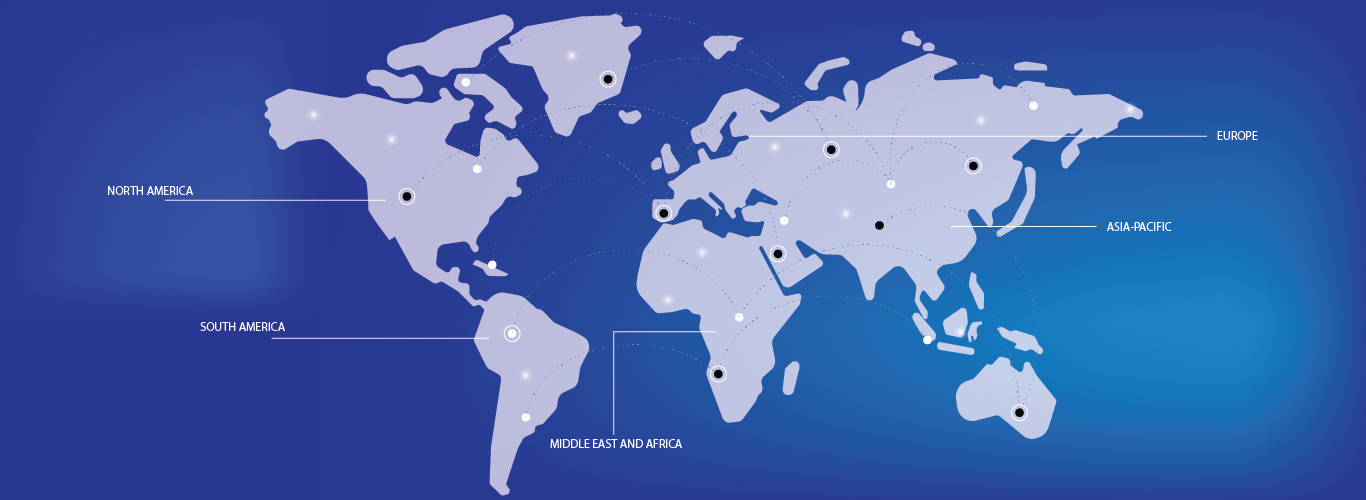
- North America dominates the tumor lysis syndrome market with the largest revenue share of over 40.5% in 2025, attributed to high cancer prevalence, robust healthcare infrastructure, early adoption of advanced therapeutics (e.g., rasburicase), and strong clinical awareness. The U.S. leads in TLS treatment advancements due to widespread access to diagnostics and supportive care protocols.
- Asia-Pacific is expected to be the fastest-growing region in the tumor lysis syndrome market during the forecast period, driven by increasing oncology patient volumes, expanding healthcare access, and government initiatives to improve cancer care in countries such as China and India.
- Asia-Pacific is expected to be the fastest growing region in the Tumor Lysis Syndrome market during the forecast period due to increasing urbanization and rising disposable incomes
- Among drug types, the rasburicase segment is expected to dominate the market with a significant share of 45.2% in 2025, owing to its rapid and effective uric acid reduction capabilities in high-risk TLS cases, as well as favorable clinical guidelines supporting its use over traditional agents like allopurinol.