- Ulnar nerve treatment options, including over-the-counter (OTC) pain relievers, nerve spasm drugs, physical therapy, and surgery, are increasingly essential for managing ulnar nerve entrapment and related neuropathies in both clinical and home care settings due to their role in reducing pain, improving function, and preventing long-term disability.
- The growing prevalence of repetitive strain injuries, diabetes-related neuropathies, and conditions like cubital tunnel syndrome is driving the demand for effective ulnar nerve treatment worldwide. Additionally, the rise in awareness, early diagnosis, and minimally invasive surgical advancements are contributing to increased treatment uptake.
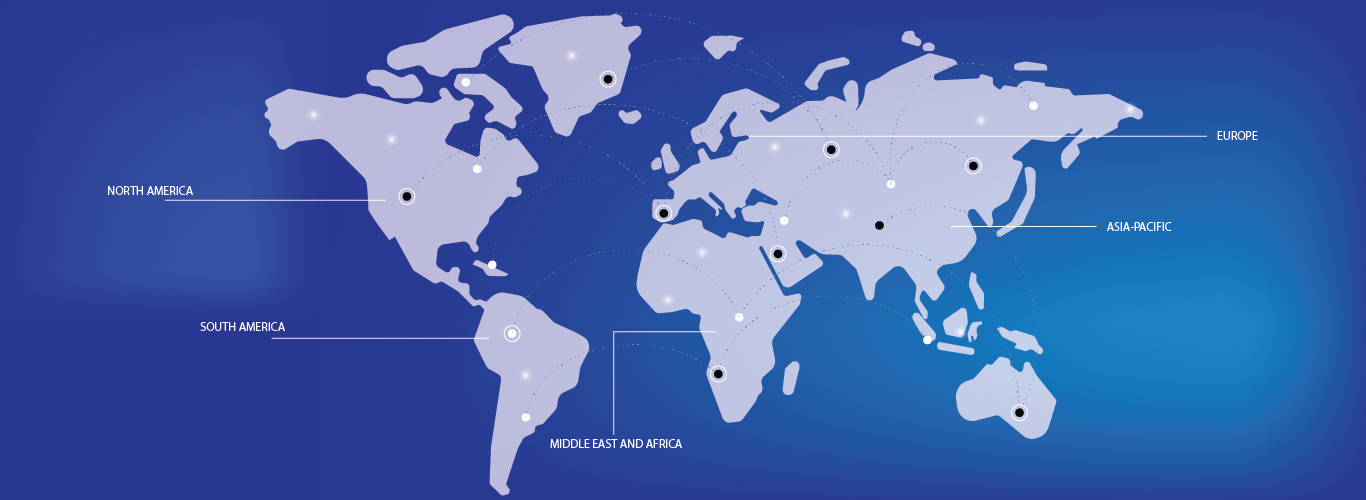
- North America dominates the ulnar nerve treatment market with the largest revenue share in 2025 of 41.3%, fueled by a robust healthcare infrastructure, high incidence of nerve-related disorders, and the presence of key pharmaceutical and medtech companies. The U.S. leads the regional market with growing adoption of advanced surgical interventions and physical rehabilitation programs.
- Asia-Pacific is expected to be the fastest-growing region in the ulnar nerve treatment market during the forecast period, supported by increasing healthcare expenditure, improved access to therapy in developing countries, and a rapidly aging population that is more prone to nerve compression syndromes.
- Among treatment types, the surgery segment is expected to dominate the market with a market share of 38.7% in 2025, due to its effectiveness in relieving severe ulnar nerve compression and the increasing use of robotic-assisted and endoscopic procedures that offer improved patient outcomes and shorter recovery periods.