- Umbilical cord blood banking involves collecting and storing blood from the umbilical cord post-delivery, which is rich in hematopoietic stem cells used to treat various genetic, immune, and blood-related disorders. It plays a crucial role in regenerative medicine and stem cell therapies
- The market is witnessing significant growth due to rising awareness of stem cell applications, an increasing number of treatments approved for stem cell use, and the growing prevalence of life-threatening diseases such as leukemia, lymphoma, and sickle cell anemia
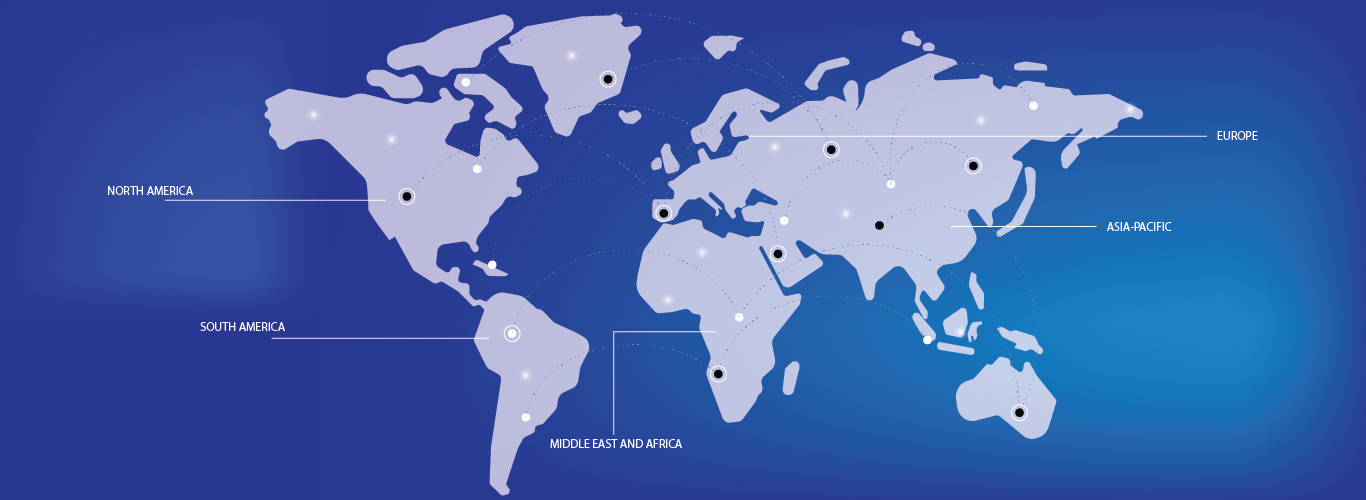
- The North America holds a dominant position in the market, supported by a strong regulatory framework, higher public and private investments in biobanking, and increased participation in cord blood donation and preservation programs
- For instance, the U.S. has seen a surge in both public and private cord blood banks, with enhanced public awareness and accessibility driving participation. Research institutions and biotech companies in the region are actively collaborating to expand the therapeutic use of cord blood stem cells
- Globally, umbilical cord blood banks are regarded as one of the most rapidly advancing components of the stem cell preservation industry, offering life-saving potential and long-term storage solutions in personalized medicine