- V2X components are critical systems enabling vehicle communication with other vehicles, infrastructure, pedestrians, and networks, facilitating real-time data exchange for safety, traffic efficiency, and autonomous driving. These components, including onboard units, roadside units, and software platforms, are integral to applications like ADAS, traffic management, and fleet optimization.
- The market is fueled by the global rise in vehicle production, with 85.4 million units in 2022, driving demand for V2X systems in new vehicles. The autonomous vehicle market, projected to reach 3 million units by 2030, further boosts demand for V2X in V2V and V2I applications.
- The adoption of advanced technologies like C-V2X enhances V2X performance, offering low-latency communication for automotive and smart city applications. The rise of electric vehicles, requiring V2G communication for energy management, is a significant growth driver.
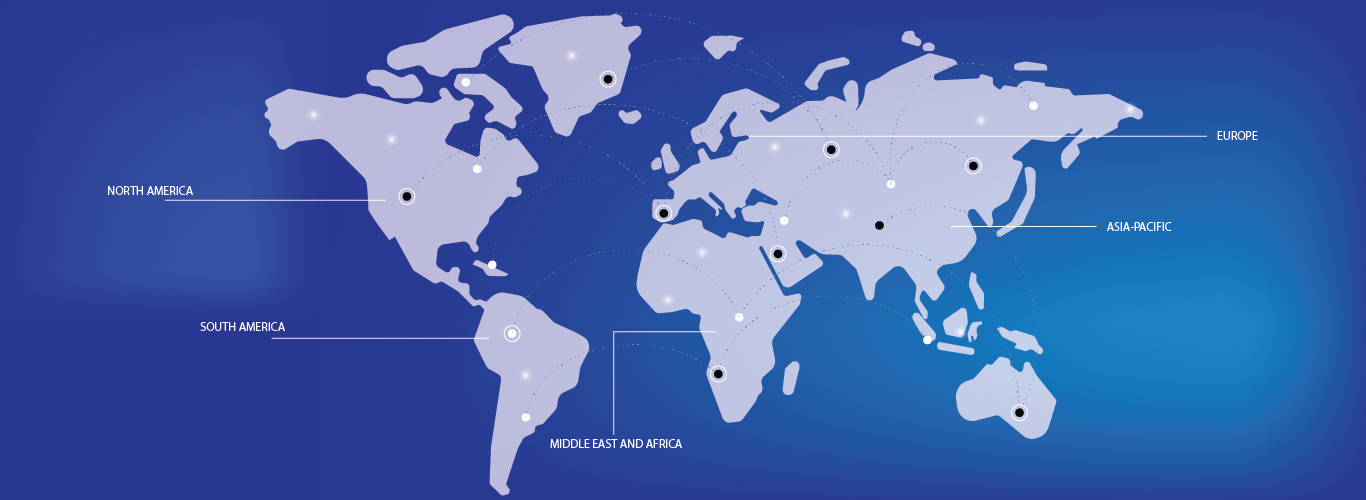
- Asia-Pacific led the global V2X market with a commanding revenue share of 42.6% in 2024, driven by its robust automotive manufacturing ecosystem, high 5G adoption, and government support in China, Japan, and India. China dominates due to its massive C-V2X infrastructure investments.
- North America is anticipated to witness the fastest growth rate, with a projected CAGR of 46.2% from 2025 to 2032, propelled by regulatory support, advancements in autonomous vehicles, and significant R&D investments in the U.S. and Canada.
- Among communication types, the V2V segment held the largest market share of 42.01% in 2024, valued at USD 1.72 billion, attributed to its critical role in collision avoidance and safety applications for passenger cars and commercial vehicles, ensuring enhanced road safety.