- Vasomotor Menopausal Symptoms (VMS) treatments, including hormone therapy and non-hormonal options, are becoming essential components of modern women’s health management, especially in addressing symptoms such as hot flashes and night sweats. Their increasing clinical validation, convenience, and patient acceptance are expanding their role in both prescription and over-the-counter healthcare settings
- The escalating demand for VMS treatments is primarily fueled by the growing global menopausal population, rising awareness of menopause management options, and increasing investments in women’s health by pharmaceutical companies. The availability of newer, non-hormonal therapies such as NK3 receptor antagonists is also expected to reshape treatment preferences
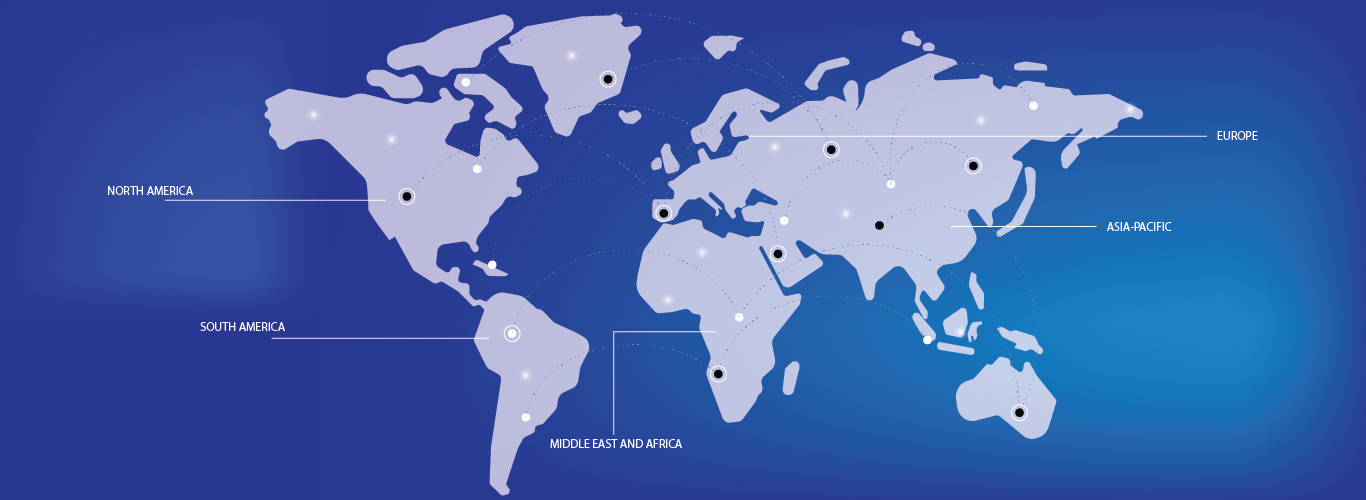
- North America dominated the vasomotor menopausal symptoms (VMS) treatment market, holding the largest revenue share of 42.3% in 2024, driven by early diagnosis practices, widespread awareness, strong healthcare infrastructure, and a high adoption rate of both hormonal and non-hormonal therapies
- Asia-Pacific is expected to be the fastest-growing region in the vasomotor menopausal symptoms (VMS) treatment market, projected to expand at a CAGR of 9.8%, owing to increasing urbanization, growing female geriatric population, and rising awareness of menopause-related health solutions
- The hormone therapy segment dominated the vasomotor menopausal symptoms (VMS) treatment market with a market share of 45.7% in 2024, supported by its long-established efficacy in relieving VMS and growing endorsement by healthcare professionals