- Warburg Micro Syndrome, a rare autosomal recessive neurodevelopmental disorder, is increasingly being recognized due to advances in next-generation sequencing, improved clinical awareness, and the availability of more specialized diagnostic centers, especially in both pediatric and genetic medicine settings
- The rising demand for targeted therapies and genetic counseling services is primarily fueled by increasing research funding, growing patient advocacy initiatives, and improvements in global rare disease registries that are enabling better patient identification and follow-up care
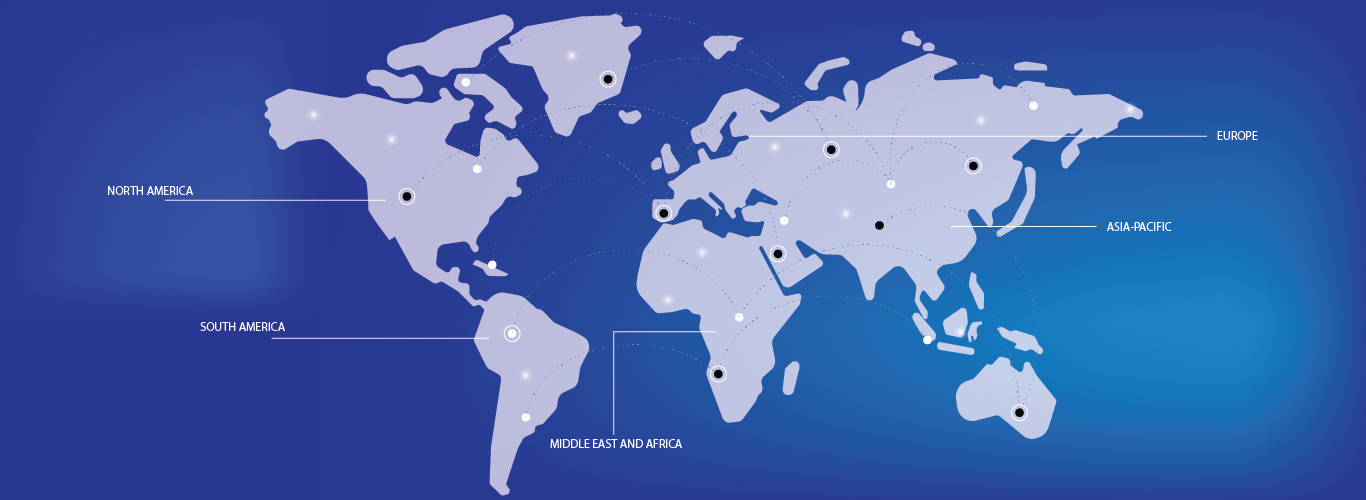
- North America dominated the Warburg micro syndrome market with the largest revenue share of 41.8% in 2024, driven by high healthcare spending, a robust rare disease diagnostic infrastructure, and the presence of key biopharmaceutical players investing in orphan drug development. The U.S. accounts for the majority share due to strong NIH-backed research programs and a growing focus on pediatric neurological disorders
- Asia-Pacific is expected to be the fastest-growing region in the Warburg micro syndrome market with a projected CAGR of 17.2% from 2025 to 2032, owing to increasing investments in genomic medicine, improved healthcare access in emerging economies, and growing partnerships for rare disease awareness
- The molecular genetic testing segment dominated the Warburg micro syndrome market with a market share of 47.5% in 2024, driven by the widespread adoption of next-generation sequencing (NGS), whole-exome sequencing (WES), and targeted rare disease gene panels. These advanced diagnostic tools facilitate early and precise identification of causative gene mutations, significantly improving diagnostic accuracy and patient management