


Zadik Barak Levin Syndrome Market Size
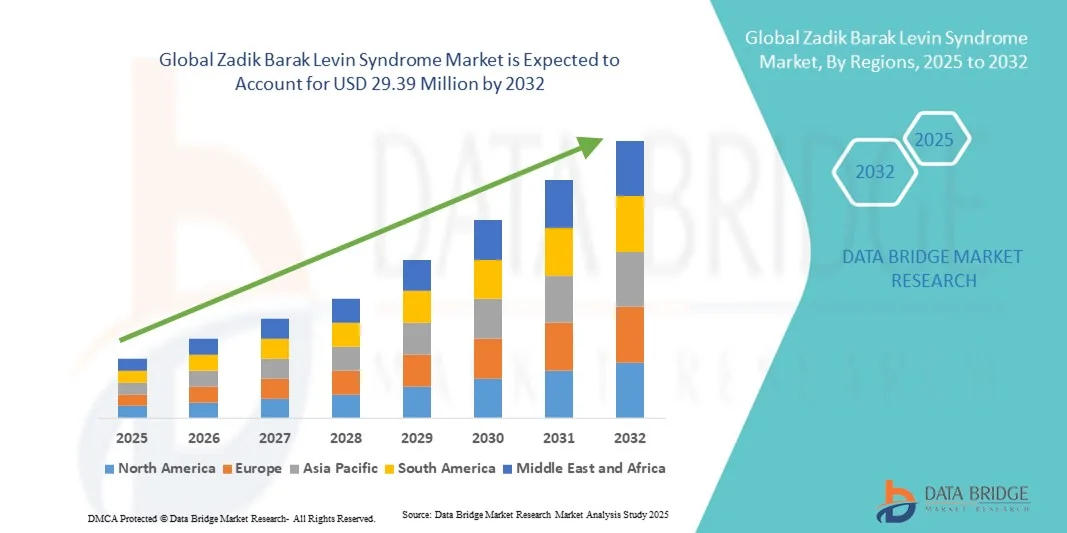
- The global Zadik Barak Levin Syndrome market size was valued at USD 20.05 million in 2024 and is expected to reach USD 29.39 million by 2032, at a CAGR of 4.90% during the forecast period
- The market growth is largely fueled by increasing awareness and diagnosis of ZBLS, advancements in genetic testing and diagnostics, and growing research and development activities focused on finding effective treatments
- Furthermore, supportive government initiatives for rare disease research, rising healthcare expenditure, and improving healthcare infrastructure are establishing comprehensive care for ZBLS patients, accelerating the adoption of advanced diagnostic and therapeutic solutions, thereby significantly boosting the industry's growth
Zadik Barak Levin Syndrome Market Analysis
- Zadik–Barak–Levin Syndrome (ZBLS), a rare congenital disorder characterized by developmental and physical abnormalities such as cleft palate, hypodontia, and ectodermal dysplasia, is increasingly recognized as a critical area for genetic research and specialized healthcare interventions due to its complex clinical presentation and need for early diagnosis and management
- The escalating demand for ZBLS diagnostics and treatment is primarily fueled by growing awareness among healthcare professionals and patients, advancements in genetic testing technologies, and increasing investment in rare disease research and therapeutic development
- North America dominated the ZBLS market with the largest revenue share of 42.5% in 2024, attributed to well-established healthcare infrastructure, higher healthcare spending, and the presence of leading genetic testing and rare disease research organizations, with the U.S. showing substantial progress in early diagnosis and clinical management initiatives, supported by both private and public sector programs
- Asia-Pacific is expected to be the fastest-growing region during the forecast period, led by countries such as India and China, driven by increasing awareness of rare diseases, expanding healthcare access, and rising investment in genetic testing and specialized treatments
- Cleft Palate segment dominated the ZBLS market with a share of 39% in 2024, driven by its prevalence in diagnosed ZBLS cases and the critical need for early therapeutic intervention
Report Scope and Zadik Barak Levin Syndrome Market Segmentation
|
Attributes |
Zadik Barak Levin Syndrome Key Market Insights |
|
Segments Covered |
|
|
Countries Covered |
North America
Europe
Asia-Pacific
Middle East and Africa
South America
|
|
Key Market Players |
|
|
Market Opportunities |
|
|
Value Added Data Infosets |
In addition to the insights on market scenarios such as market value, growth rate, segmentation, geographical coverage, and major players, the market reports curated by the Data Bridge Market Research also include in-depth expert analysis, patient epidemiology, pipeline analysis, pricing analysis, and regulatory framework |
Zadik Barak Levin Syndrome Market Trends
Advancements in Genetic Testing and Early Diagnosis
- A significant and accelerating trend in the global ZBLS market is the increasing adoption of advanced genetic testing technologies, enabling earlier and more accurate diagnosis of the syndrome in both pediatric and adult patients
- For instance, next-generation sequencing (NGS) panels and whole-exome sequencing are being used to detect mutations associated with ZBLS, allowing clinicians to provide timely intervention and personalized care plans
- These genetic advancements are facilitating early therapeutic interventions, including hormone replacement therapy and corrective surgeries, improving long-term health outcomes and quality of life for patients
- Integration of diagnostic platforms with telemedicine and digital health records is enabling more streamlined patient management, reducing delays in diagnosis and follow-up care
- Increasing collaboration between genetic testing companies and healthcare providers is driving the development of more accurate, faster, and cost-effective diagnostic solutions for ZBLS. The trend towards precision diagnostics and early intervention is reshaping expectations among healthcare providers and families for timely detection and management of rare congenital disorders
- The demand for advanced genetic testing and personalized treatment solutions for ZBLS is growing rapidly across hospitals and specialized clinics, as families increasingly prioritize early diagnosis and comprehensive care
- Innovative digital tools, such as AI-powered diagnostic software, are beginning to support clinicians in identifying ZBLS symptoms earlier, further improving patient outcomes
Zadik Barak Levin Syndrome Market Dynamics
Driver
Increasing Awareness and Investment in Rare Disease Research
- The rising awareness of rare diseases among healthcare professionals, patients, and caregivers, coupled with increasing investment in research and development, is a significant driver of ZBLS market growth
- For instance, in March 2024, the Rare Disease Foundation launched initiatives to fund ZBLS-focused genetic research and clinical trials, aiming to develop targeted therapies and improve patient care protocols
- As more patients are diagnosed and families seek effective treatment solutions, the demand for specialized care, genetic counseling, and personalized treatment options is steadily increasing
- Furthermore, growing government support and funding for rare disease research are making early diagnosis and treatment more accessible, encouraging healthcare providers to adopt advanced diagnostic technologies
- The collaboration between hospitals, research institutions, and pharmaceutical companies is further propelling the development and availability of novel therapies for ZBLS, enhancing overall market growth
- Expansion of rare disease registries and patient advocacy programs is supporting better epidemiological understanding, enabling more effective clinical research and therapy development
- Technological advancements in telehealth and digital genetic counseling are improving patient outreach, enabling families in remote regions to access ZBLS expertise and care
Restraint/Challenge
Limited Awareness and High Treatment Costs
- Limited awareness of ZBLS among healthcare professionals and the general public, combined with the high cost of specialized diagnostic tests and treatments, poses a significant challenge to market expansion
- For instance, many patients in developing regions remain undiagnosed due to lack of access to genetic testing facilities or specialist care, delaying treatment and intervention
- The rarity of the syndrome and absence of standardized treatment guidelines can lead to inconsistent management practices across different healthcare centers
- High costs associated with genetic testing, corrective surgeries, and ongoing supportive care often make comprehensive treatment inaccessible for many families without insurance coverage or government support
- Overcoming these barriers through educational initiatives, awareness campaigns, and subsidies or insurance coverage for rare disease management is crucial for improving diagnosis and treatment adoption
- While awareness is gradually improving, the combination of cost and limited expertise continues to restrain broader adoption of advanced ZBLS diagnostic and therapeutic solutions. Limited availability of specialized healthcare professionals trained in ZBLS management further restricts access to timely diagnosis and treatment
- Regulatory hurdles and slow approval processes for new rare disease therapies can delay market entry and reduce the availability of innovative treatment options
Zadik Barak Levin Syndrome Market Scope
The market is segmented on the basis of disease indication, route of administration, and distribution channel.
- By Disease Indication
On the basis of disease indication, the ZBLS market is segmented into nodontia/oligodontia, cleft palate, depressed nasal bridge, dry skin, ectopic/agenesis/hypoplastic thyroid, epibulbar dermoid, frontal bossing, hypertelorism, and hypothyroidy. The Cleft Palate segment dominated the market with the largest revenue share of 39% in 2024, driven by its high prevalence among diagnosed ZBLS patients and the critical need for early surgical and therapeutic interventions. Early detection of cleft palate is essential to improve feeding, speech development, and overall quality of life. Healthcare providers often prioritize corrective surgeries and supportive therapies, contributing to a strong market demand. The segment also benefits from advances in genetic testing that allow early identification of associated syndromes, facilitating timely management. Increasing awareness among parents and caregivers about treatment options further supports market growth. Multidisciplinary care approaches involving surgeons, speech therapists, and geneticists enhance adoption of advanced therapies.
The Nodontia/Oligodontia segment is expected to witness the fastest growth rate of 15.9% from 2025 to 2032, fueled by the rising adoption of specialized dental interventions and restorative treatments. Patients increasingly seek prosthetic solutions, orthodontic care, and cosmetic dentistry to address missing or malformed teeth, which drives demand for innovative treatment options. The growth is further supported by integration of genetic diagnostics that help predict dental anomalies early in life. Technological advancements in dental implants and 3D printing contribute to more effective and patient-friendly solutions. Awareness campaigns targeting oral health and congenital dental disorders are also boosting adoption. The increasing focus on quality-of-life improvement for patients is a key factor propelling growth in this segment.
- By Route of Administration
On the basis of route of administration, the ZBLS market is segmented into oral, injection, and transdermal. The Oral segment dominated the market with a revenue share of 41.2% in 2024, largely due to its convenience, ease of administration, and widespread acceptance among patients and caregivers. Oral therapies, including hormone supplements and other supportive medications, are essential for managing associated hypothyroidism and metabolic imbalances in ZBLS patients. Healthcare providers often recommend oral administration for long-term therapy, enhancing patient adherence. Pharmaceutical companies continue to develop palatable and age-appropriate formulations, increasing accessibility. Clinical preference for oral medications in pediatric care contributes to strong market adoption. The segment benefits from established distribution through pharmacies and hospitals.
The Injection segment is expected to register the fastest CAGR of 16.5% from 2025 to 2032, driven by growing use of injectable therapies such as recombinant hormones or enzyme replacement treatments for severe cases. Injections often provide higher bioavailability and faster therapeutic effects, particularly in patients with critical deficiencies. Rising awareness of advanced treatment options and the availability of trained healthcare professionals facilitate the adoption of injectable solutions. Innovations in minimally invasive and less painful delivery methods are increasing patient compliance. Hospitals and specialty clinics increasingly prefer injectable forms for precise dosing and better clinical outcomes.
- By Distribution Channel
On the basis of distribution channel, the ZBLS market is segmented into hospital pharmacy, retail pharmacy, and online pharmacy. The Hospital Pharmacy segment dominated the market with a share of 45.6% in 2024, reflecting the dependence on specialized healthcare facilities for diagnosis, treatment, and genetic counseling. Hospital pharmacies ensure proper dispensing of medications and provide access to multidisciplinary care for complex cases. These facilities also offer clinical monitoring and follow-up services essential for ZBLS patients. The presence of trained staff and controlled administration improves patient adherence and safety. Hospitals often collaborate with genetic testing labs, ensuring seamless integration of diagnostics and therapeutics. The centralized care model in hospital settings drives consistent demand for hospital pharmacy channels.
The Online Pharmacy segment is expected to witness the fastest growth rate of 18.3% from 2025 to 2032, driven by the increasing digitalization of healthcare services and patient preference for home delivery of medications. Online pharmacies offer convenience, easy access to specialty medications, and discreet purchase options for rare disease patients. The growth is supported by telemedicine consultations and e-prescriptions, which reduce the need for frequent hospital visits. Expanding internet penetration and mobile health apps are further enhancing adoption. Online platforms are increasingly partnering with specialty pharmacies to ensure availability of rare disease treatments.
Zadik Barak Levin Syndrome Market Regional Analysis
- North America dominated the ZBLS market with the largest revenue share of 42.5% in 2024, attributed to well-established healthcare infrastructure, higher healthcare spending, and the presence of leading genetic testing and rare disease research organizations
- Patients and healthcare providers in the region prioritize early diagnosis, personalized treatment plans, and access to multidisciplinary care, making advanced diagnostic and therapeutic solutions widely adopted
- This widespread adoption is further supported by higher healthcare spending, government initiatives for rare disease management, and the presence of leading research institutions and specialty clinics, establishing North America as a key market for ZBLS care and treatment
U.S. Zadik Barak Levin Syndrome Market Insight
The U.S. ZBLS market captured the largest revenue share of 38% in 2024 within North America, fueled by advanced healthcare infrastructure, widespread awareness of rare diseases, and well-established genetic testing facilities. Patients and caregivers increasingly prioritize early diagnosis, personalized treatment plans, and access to multidisciplinary care, driving adoption of advanced therapies. The growing presence of specialized clinics and research institutions, coupled with government support for rare disease initiatives, is significantly contributing to market growth. Telemedicine and digital genetic counseling platforms further enhance access to expert care. Robust insurance coverage for rare disease management also supports patient uptake.
Europe Zadik Barak Levin Syndrome Market Insight
The Europe ZBLS market is projected to expand at a substantial CAGR throughout the forecast period, primarily driven by increasing awareness of rare congenital disorders and the availability of specialized genetic testing services. Rising urbanization, higher healthcare spending, and government-supported rare disease programs are fostering adoption. European healthcare providers are integrating multidisciplinary care for ZBLS patients, enhancing early diagnosis and treatment. The region is experiencing growth across pediatric, dental, and endocrinology specialty segments. Patient advocacy initiatives and rare disease registries further support market expansion.
U.K. Zadik Barak Levin Syndrome Market Insight
The U.K. ZBLS market is anticipated to grow at a noteworthy CAGR during the forecast period, driven by the rising trend of genetic screening and early intervention programs. Growing concern among families and healthcare professionals regarding congenital anomalies is encouraging timely diagnosis and management. The country’s well-developed healthcare infrastructure, robust public health initiatives, and emphasis on rare disease research are expected to continue stimulating market growth. Telehealth services and specialized clinics improve accessibility to diagnostics and treatment. Increasing funding for rare disease research further supports adoption.
Germany Zadik Barak Levin Syndrome Market Insight
The Germany ZBLS market is expected to expand at a considerable CAGR during the forecast period, fueled by heightened awareness of rare syndromes and demand for technologically advanced diagnostic solutions. Germany’s emphasis on innovation and quality healthcare promotes adoption of advanced genetic testing and personalized treatment plans. Hospitals and specialty centers are increasingly providing multidisciplinary care for ZBLS patients. Integration of clinical genetic services with broader healthcare systems is becoming more prevalent. Patients are also increasingly seeking early intervention strategies to improve long-term outcomes. Government-backed rare disease programs further support market growth.
Asia-Pacific Zadik Barak Levin Syndrome Market Insight
The Asia-Pacific ZBLS market is poised to grow at the fastest CAGR of 17% during the forecast period of 2025 to 2032, driven by increasing healthcare awareness, expanding genetic testing facilities, and rising investment in rare disease management in countries such as China, Japan, and India. The growing focus on pediatric healthcare, combined with initiatives promoting rare disease diagnosis and treatment, is driving adoption. Accessibility to affordable diagnostic and therapeutic solutions is expanding the patient base. Government initiatives and collaborations with international research institutions are further enhancing market growth. Increasing telemedicine adoption improves access to specialized care in remote regions.
Japan Zadik Barak Levin Syndrome Market Insight
The Japan ZBLS market is gaining momentum due to the country’s high emphasis on advanced healthcare, genetic research, and early diagnosis programs. Japanese patients and caregivers increasingly seek personalized treatment plans and multidisciplinary care, driving adoption. Integration of genetic testing with hospital networks and telehealth services is enhancing accessibility. Government-supported rare disease initiatives and funding for research programs are promoting market growth. The aging population and focus on preventive healthcare further increase demand for timely intervention. Awareness campaigns and patient advocacy groups are also contributing to market expansion.
India Zadik Barak Levin Syndrome Market Insight
The India ZBLS market accounted for the largest market revenue share in Asia Pacific in 2024, attributed to rapid healthcare infrastructure development, growing awareness of rare diseases, and increasing availability of genetic testing facilities. India’s expanding middle class and rising demand for specialized pediatric care are key drivers. Government initiatives promoting rare disease diagnosis and treatment, coupled with affordable therapeutic options, are accelerating adoption. Telemedicine and digital health platforms are improving access to specialized care in remote areas. Strong presence of domestic diagnostic laboratories and collaboration with international research centers further support market growth. Increasing patient education programs are enhancing awareness and uptake.
Zadik Barak Levin Syndrome Market Share
The Zadik Barak Levin Syndrome industry is primarily led by well-established companies, including:
- Pfizer Inc. (U.S.)
- F. Hoffmann-La Roche Ltd (Switzerland)
- Merck & Co., Inc. (U.S.)
- Novartis AG (Switzerland)
- Sanofi (France)
- Teva Pharmaceutical Industries Ltd. (Israel)
- Orion Corporation (Finland)
- UCB S.A. (Belgium)
- Acadia Pharmaceuticals Inc. (U.S.)
- H. Lundbeck A/S (Denmark)
- Mitsubishi Tanabe Pharma Corporation (Japan)
- Healx (U.K.)
- Actio Biosciences (U.S.)
- Addimmune (U.S.)
- Genetix Biotherapeutics (U.S.)
- BlueRock Therapeutics LP (U.S.)
- American Gene Technologies (U.S.)
- Biogen Inc. (U.S.)
What are the Recent Developments in Global Zadik Barak Levin Syndrome Market?
- In July 2023, A study demonstrated that integrated omics-based approaches, such as similarity network fusion (SNF), can reclassify placental dysfunction patterns underlying common obstetrical syndromes. This research improves the understanding of pathological processes and could promote the development of more personalized interventions for conditions such as ZBLS
- In April 2023, Long-term follow-up results show that the protein replacement therapy for a related condition, XLHED (which also causes ectodermal dysplasia and missing teeth), successfully induced development of functional sweat glands
- In January 2023, New guidelines from the AAP/PES/ATA cite the oral solution as a new option for treating Congenital Hypothyroidism (CH), a core ZBLS feature, supporting its use in infants
- In August 2022, A comprehensive review of 321 cases of Jarcho-Levin syndrome (JLS), a condition related to ZBLS, was conducted. The study provided insights into diagnostic criteria and management strategies, contributing to a better understanding of the syndrome's clinical presentation and progression
- In March 2021, Zadik Barak Levin Syndrome was officially recognized as a distinct congenital disorder. It presents with conditions including primary hypothyroidism, cleft palate, hypodontia, and ectodermal dysplasia, resulting from an embryonic defect in mesodermal-ectodermal midline development. This recognition has led to more focused research and clinical attention

- Interactive Data Analysis Dashboard
- Company Analysis Dashboard for high growth potential opportunities
- Research Analyst Access for customization & queries
- Competitor Analysis with Interactive dashboard
- Latest News, Updates & Trend analysis
- Harness the Power of Benchmark Analysis for Comprehensive Competitor Tracking
Data collection and base year analysis are done using data collection modules with large sample sizes. The stage includes obtaining market information or related data through various sources and strategies. It includes examining and planning all the data acquired from the past in advance. It likewise envelops the examination of information inconsistencies seen across different information sources. The market data is analysed and estimated using market statistical and coherent models. Also, market share analysis and key trend analysis are the major success factors in the market report. To know more, please request an analyst call or drop down your inquiry.
The key research methodology used by DBMR research team is data triangulation which involves data mining, analysis of the impact of data variables on the market and primary (industry expert) validation. Data models include Vendor Positioning Grid, Market Time Line Analysis, Market Overview and Guide, Company Positioning Grid, Patent Analysis, Pricing Analysis, Company Market Share Analysis, Standards of Measurement, Global versus Regional and Vendor Share Analysis. To know more about the research methodology, drop in an inquiry to speak to our industry experts.
Data Bridge Market Research is a leader in advanced formative research. We take pride in servicing our existing and new customers with data and analysis that match and suits their goal. The report can be customized to include price trend analysis of target brands understanding the market for additional countries (ask for the list of countries), clinical trial results data, literature review, refurbished market and product base analysis. Market analysis of target competitors can be analyzed from technology-based analysis to market portfolio strategies. We can add as many competitors that you require data about in the format and data style you are looking for. Our team of analysts can also provide you data in crude raw excel files pivot tables (Fact book) or can assist you in creating presentations from the data sets available in the report.












