- The Zero-Friction Coatings market is expanding rapidly due to increasing industrial automation, demand for enhanced equipment efficiency, and the need to reduce energy consumption. Advanced materials like PTFE and MoS₂ improve performance, durability, and environmental compliance across automotive, aerospace, and manufacturing sectors.
- Regional growth is driven by Asia-Pacific’s industrial boom and North America’s technological innovation. Stringent environmental regulations and sustainability goals push adoption of eco-friendly coatings. However, high production costs and raw material price volatility pose challenges, encouraging ongoing research to develop cost-effective, high-performance coating solutions.
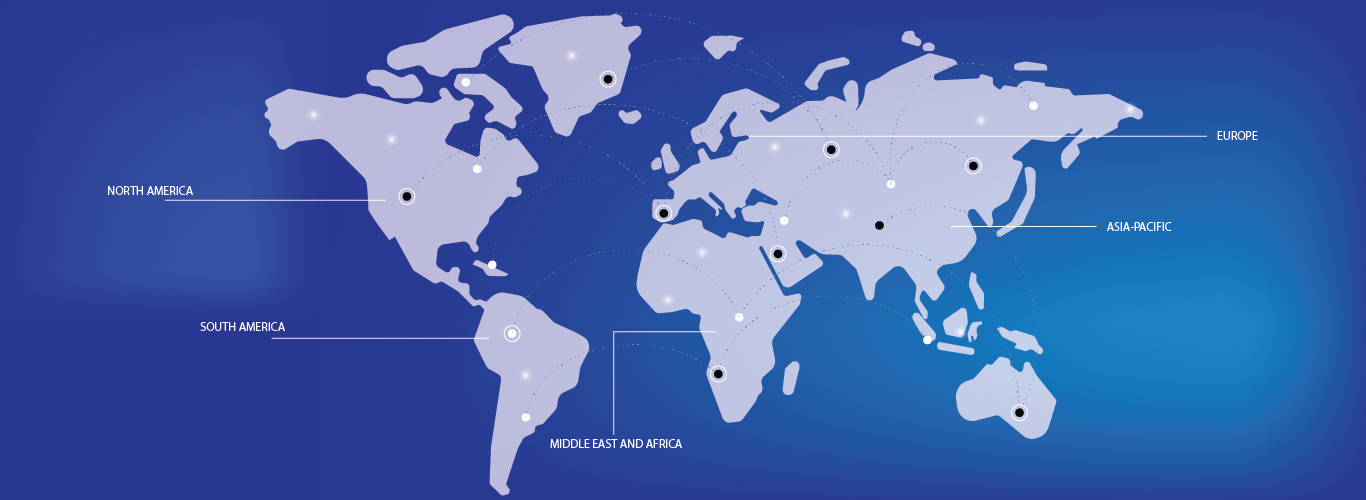
- Asia-Pacific (APAC) dominates the Zero-Friction Coatings market with a 36% revenue share in 2025, driven by rapid industrialization, expanding automotive and aerospace sectors, increasing manufacturing activities, government initiatives supporting sustainable technologies, and growing demand for energy-efficient, high-performance coating solutions across key economies like China and India.
- Additionally, rising investments in research and development, adoption of advanced materials like PTFE and MoS₂, expansion of renewable energy projects, and increasing awareness of environmental regulations further boost the demand for zero-friction coatings in Asia-Pacific, reinforcing its leadership in the global market.
- The PTFE-Based Low Friction Coatings segment is expected to dominate the Zero-Friction Coatings market with a significant share of around 38% in 2025, driven by its excellent chemical resistance, low coefficient of friction, wide industrial applications, and growing demand for durable, energy-efficient coatings.