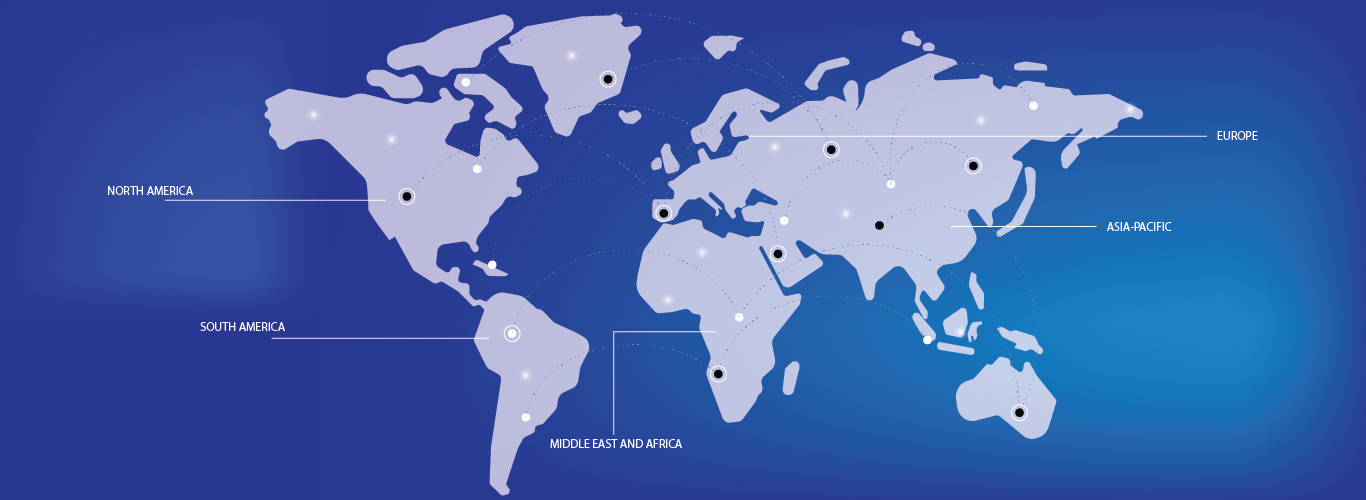
- The Middle East and Africa (MEA) Wi-Fi chipset market is experiencing strong growth driven by widespread digital transformation across the region. Increasing adoption of smart devices such as smartphones, laptops, smart TVs, and wearables is fueling demand for advanced Wi-Fi chipsets that offer faster speeds and better connectivity. Governments in the MEA region, particularly in the Gulf Cooperation Council (GCC) countries like the UAE and Saudi Arabia, are investing heavily in smart city projects and IoT infrastructure, which further supports market expansion. Additionally, the complementary rollout of 5G networks alongside Wi-Fi technologies is encouraging the adoption of newer chipset standards such as Wi-Fi 6 and Wi-Fi 6E, enabling improved performance and capacity.
- Consumer electronics currently represent the largest application segment, but enterprise and industrial IoT applications are expected to see rapid growth as businesses embrace digital transformation. While the GCC countries lead the market due to better-developed digital infrastructure and higher disposable incomes, African nations like South Africa, Nigeria, and Egypt present significant growth potential owing to increasing network penetration and government initiatives aimed at enhancing connectivity. The competitive landscape is dominated by global semiconductor companies such as Qualcomm, Broadcom, MediaTek, and Intel, which are actively partnering with device manufacturers and telecom operators to strengthen their market presence.
- However, the market faces challenges including infrastructural gaps in parts of Africa, price sensitivity among consumers, and regulatory complexities related to import duties and spectrum management. Despite these hurdles, the MEA Wi-Fi chipset market is expected to sustain a double-digit compound annual growth rate (CAGR) through 2032. This growth will be propelled by continuous technological advancements, the introduction of Wi-Fi 7, and increasing demand for seamless high-speed wireless connectivity across consumer and enterprise sectors.