妊娠性絨毛性疾患(GTD)治療の世界市場セグメンテーション、タイプ別(胞状奇胎および妊娠性絨毛性腫瘍(GTN))、ステージ別(ステージ1、ステージ2、ステージ3、ステージ4)、薬剤タイプ別(ブランド薬およびジェネリック薬)、治療タイプ別(手術、化学療法、放射線療法)、エンドユーザー別(病院、専門クリニック、診断センター、その他)、流通チャネル別(病院薬局、小売薬局、オンライン薬局、その他)– 2032年までの業界動向と予測
妊娠性絨毛性疾患(GTD)治療市場分析
妊娠性絨毛性疾患(GTD)治療の世界市場は、認知度の高まり、診断の進歩、治療の革新により、着実に成長しています。胞状奇胎や絨毛癌などの症状を含むこの疾患は、主に手術、化学療法、場合によっては放射線療法で治療されます。分子診断の大きな進歩と標的療法の開発により、治療結果が向上しました。近年、異常妊娠が増加し、GTDの発生率が上昇しています。これにより、医学研究と治療オプションの両方の進歩が促進されました。たとえば、新しい標的療法と免疫療法は、副作用の少ないより個別化された治療を提供できることから注目を集めています。さらに、遠隔医療とリモートヘルスケアにより、特に発展途上地域で治療がより利用しやすくなっています。
妊娠性絨毛性疾患(GTD)治療市場規模
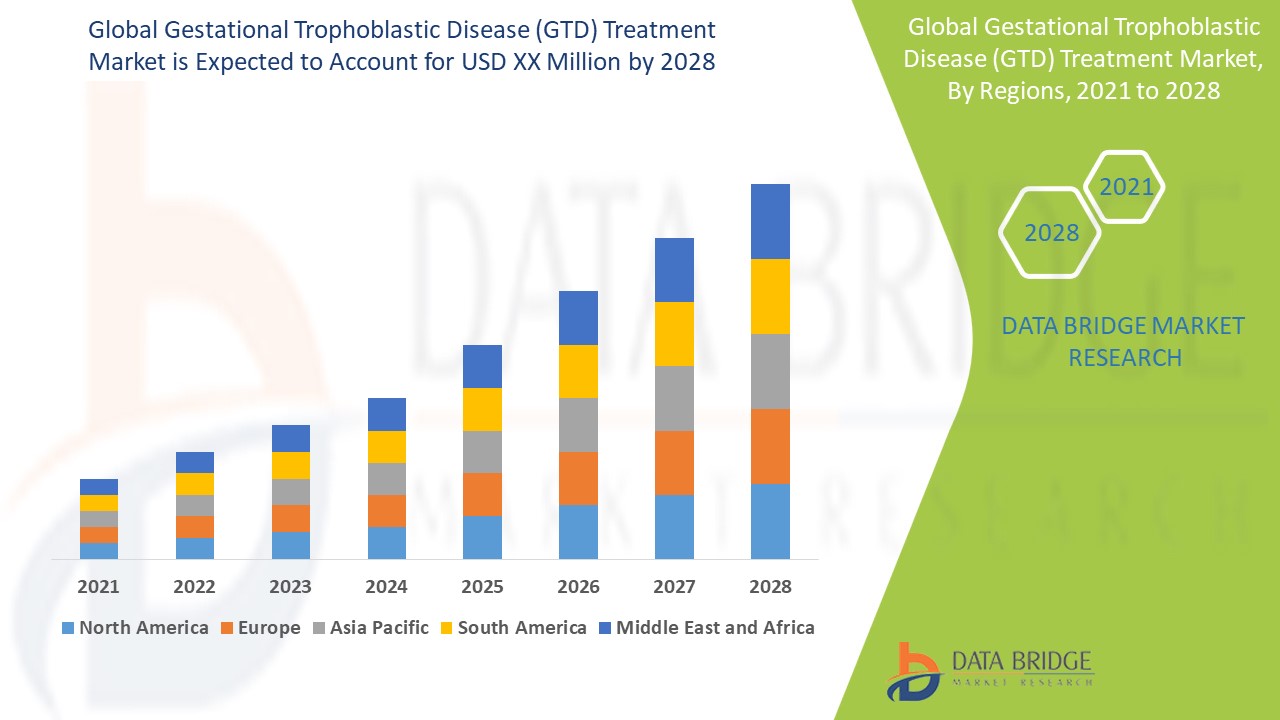
世界の妊娠性絨毛性疾患(GTD)治療市場規模は、2024年に1億8,551万米ドルと評価され、2025年から2032年の予測期間中に5.82%のCAGRで成長し、2032年には2億9,159万米ドルに達すると予測されています。市場価値、成長率、セグメンテーション、地理的範囲、主要プレーヤーなどの市場シナリオに関する洞察に加えて、Data Bridge Market Researchがまとめた市場レポートには、詳細な専門家分析、患者の疫学、パイプライン分析、価格分析、規制枠組みも含まれています。
妊娠性絨毛性疾患(GTD)治療市場の動向
「個別化医療の利用拡大」
妊娠性絨毛性疾患(GTD)治療市場は、化学療法、放射線療法、外科手術の進歩に牽引され、著しい成長を遂げています。重要な傾向の 1 つは、遺伝子プロファイルと疾患特性に基づいて治療をカスタマイズする個別化医療の使用が増えていることです。たとえば、GTD の治療に一般的に使用されるメトトレキサートとアクチノマイシン D は、この疾患の特定のサブタイプに対する有効性が研究されており、よりターゲットを絞った効果的な治療計画が可能になります。さらに、研究開発への投資の増加によりイノベーションが加速しており、ファイザーやノバルティスなどの企業は、患者の転帰を改善するための新しい治療オプションを模索しています。標的療法と遺伝子ベースの治療アプローチに焦点を当てた臨床試験の増加は、市場の個別化医療への移行をさらに反映しています。この傾向により、GTD 治療の有効性が高まり、副作用が軽減され、より正確で患者中心のアプローチが提供されるため、今後数年間で市場の成長が促進されると予想されます。
レポートの範囲と妊娠性絨毛性疾患(GTD)治療市場のセグメンテーション
|
属性 |
妊娠性絨毛性疾患(GTD)治療の主要市場洞察 |
|
対象セグメント |
|
|
対象国 |
北米では米国、カナダ、メキシコ、ヨーロッパではドイツ、フランス、英国、オランダ、スイス、ベルギー、ロシア、イタリア、スペイン、トルコ、その他のヨーロッパ、ヨーロッパでは中国、日本、インド、韓国、シンガポール、マレーシア、オーストラリア、タイ、インドネシア、フィリピン、アジア太平洋地域 (APAC) ではその他のアジア太平洋地域 (APAC)、中東およびアフリカ (MEA) の一部としてサウジアラビア、UAE、南アフリカ、エジプト、イスラエル、中東およびアフリカ (MEA) の一部としてその他の中東およびアフリカ (MEA)、南米の一部としてブラジル、アルゼンチン、その他の南米 |
|
主要な市場プレーヤー |
Hikma Pharmaceuticals PLC(英国)、Pfizer Inc.(米国)、Bristol-Myers Squibb Company(米国)、Halozyme, Inc.(米国)、Novartis AG(スイス)、Teva Pharmaceutical Industries Ltd.(イスラエル)、BP Pharma(インド)、Fresenius Kabi AG(ドイツ)、Accord Healthcare(英国)、Lilly(米国)、Sanofi(フランス)、Bayer AG(ドイツ)、Amgen Inc.(米国) |
|
市場機会 |
|
|
付加価値データ情報セット |
Data Bridge Market Research がまとめた市場レポートには、市場価値、成長率、セグメンテーション、地理的範囲、主要プレーヤーなどの市場シナリオに関する洞察に加えて、専門家による詳細な分析、患者の疫学、パイプライン分析、価格分析、規制の枠組みも含まれています。 |
妊娠性絨毛性疾患(GTD)治療市場の定義
妊娠性絨毛性疾患 (GTD) の治療とは、胎盤の絨毛組織から発生する一群のまれな腫瘍に対処するために用いられる医学的管理および治療的介入を指します。GTD には、胞状奇胎、妊娠性絨毛性腫瘍 (GTN)、その他の異常妊娠などの症状が含まれます。治療アプローチは、疾患の段階と重症度、および患者の全般的な健康状態と生殖能力の考慮事項によって異なります。GTD 治療の目的は、疾患を効果的に管理し、転移を防ぎ、可能な限り患者の生殖能力を維持することです。
妊娠性絨毛性疾患(GTD)治療市場の動向
ドライバー
- 出産年齢の上昇
高齢出産の増加は、妊娠性絨毛性疾患(GTD)治療市場における重要な推進力です。高齢出産は、妊娠性絨毛性疾患などの症状の発症を含む合併症のリスクが高いことに関連しています。米国疾病管理予防センター(CDC)によると、35歳以上の女性の妊娠数は着実に増加しており、この年齢層の女性が米国の出生数全体の約20%を占めており、2000年の12%から増加しています。高齢出産の増加に伴い、胞状奇胎や妊娠性絨毛性腫瘍(GTN)につながる可能性がある異常胎盤発育のリスクも高まります。この人口増加により、早期発見、個別化治療、専門医療の需要が高まり、GTD治療市場の成長を牽引しています。さらに、キャリアや個人的な要因により出産を遅らせる女性が増えているため、医療提供者はこの増加に対処するために意識と診断ツールの改善に注力しており、GTD治療の市場の可能性はさらに高まっています。
- 妊婦の喫煙習慣が増加
The rise in active smoking habits is contributing to the growth of the Gestational Trophoblastic Disease (GTD) treatment market, as smoking during pregnancy has been linked to an increased risk of developing gestational trophoblastic diseases, including hydatidiform moles and gestational trophoblastic neoplasia (GTN). According to the CDC, approximately 4.6% of pregnant women globally smoke in 2021, and studies have shown that smoking during pregnancy can disrupt normal placental development, leading to a higher incidence of GTD. This growing prevalence of smoking among expectant mothers is driving the demand for effective screening, early diagnosis, and targeted treatment options for GTD. In addition, the increasing awareness of the detrimental effects of smoking on pregnancy outcomes is pushing healthcare systems to adopt more proactive approaches in both prevention and treatment, which in turn boosts the market for GTD therapies. As the number of smoking-related complications rises, the need for specialized care and treatments will continue to expand, further driving market growth.
Opportunities
- Increasing Focus on Targeted Therapies
The increasing focus on targeted therapies presents a significant market opportunity in the Gestational Trophoblastic Disease (GTD) treatment market, as advancements in precision medicine enable more effective and less invasive treatments. Targeted therapies aim to specifically target cancerous cells without affecting healthy tissue, improving treatment outcomes and minimizing side effects. For instance, drugs such as methotrexate and actinomycin-D, commonly used for treating gestational trophoblastic neoplasia (GTN), are being studied for their efficacy in targeting specific genetic markers associated with the disease, allowing for more tailored treatment regimens. Additionally, the development of monoclonal antibodies and immune checkpoint inhibitors is gaining traction in cancer treatment, and similar approaches are being explored for GTD. These innovations are driving research and development, as pharmaceutical companies seek to provide more precise and effective treatment options. With increasing investments in genomic research and clinical trials, targeted therapies are set to become a cornerstone of GTD treatment, creating significant opportunities for growth in the market.
- Growing Favorable Government Policies
The growing favorable government policies are creating significant opportunities in the Gestational Trophoblastic Disease (GTD) treatment market, as governments around the world are increasingly supporting rare disease research and treatment access. For instance, in the U.S., the Orphan Drug Act offers incentives such as tax credits, grants, and extended market exclusivity to companies developing treatments for rare diseases such as GTD. Similarly, the European Medicines Agency (EMA) provides regulatory support for orphan drugs, which has encouraged investment in the development of therapies for GTD and other rare cancers. Additionally, government-funded healthcare programs are improving access to diagnostic tools and treatment options for GTD patients, particularly in developing countries. These favorable policies are helping reduce financial barriers for pharmaceutical companies and patients alike, fostering innovation in treatment development and improving overall market access. As a result, these policies are accelerating the growth of the GTD treatment market by incentivizing both research initiatives and the commercialization of new therapies.
Restraints/Challenges
- Increased Risk of Tumor Recurrence
The increased risk of tumor recurrence in gestational trophoblastic disease (GTD) presents a significant challenge in the treatment market, as patients with GTD, particularly gestational trophoblastic neoplasia (GTN), face a higher likelihood of tumors reappearing after initial treatment. National Institute of Health U.S. Studies show that up to 15-20% of patients with GTN experience tumor recurrence, which requires aggressive follow-up treatments such as chemotherapy or surgical intervention. For instance, even after treatment with methotrexate or actinomycin-D, some patients develop resistant tumors, making it difficult to achieve long-term remission. This recurring nature of the disease complicates treatment strategies and increases the overall healthcare burden. The challenge of managing recurrent GTD requires ongoing monitoring, frequent imaging tests, and more personalized treatment plans, all of which drive up treatment costs and lengthen the treatment cycle. Consequently, the risk of tumor repetition remains a key barrier to improving patient outcomes, posing a challenge to both clinicians and pharmaceutical companies working to develop more effective and durable therapies for GTD.
- Difficulty in Diagnosing Combined with the Excessive Treatment Costs
The difficulty in diagnosing Gestational Trophoblastic Disease (GTD), combined with the excessive treatment costs, presents a significant challenge in the market. GTD, especially in its early stages, can be hard to differentiate from other pregnancy complications due to overlapping symptoms such as abnormal bleeding and elevated hCG levels. This diagnostic complexity often results in delayed diagnoses and, in some cases, misdiagnosis, leading to unnecessary treatments for conditions that are not related to GTD. Once properly diagnosed, the treatment of GTD, particularly gestational trophoblastic neoplasia (GTN), often involves intensive chemotherapy, surgery, and extended follow-up care, all of which are costly. The combination of diagnostic delays and the high expenses associated with GTD treatment creates a substantial financial burden on healthcare systems and patients. This challenge impacts market growth and patient outcomes, as healthcare providers and pharmaceutical companies strive to improve diagnostic accuracy and reduce the financial strain of treatment.
This market report provides details of new recent developments, trade regulations, import-export analysis, production analysis, value chain optimization, market share, impact of domestic and localized market players, analyses opportunities in terms of emerging revenue pockets, changes in market regulations, strategic market growth analysis, market size, category market growths, application niches and dominance, product approvals, product launches, geographic expansions, technological innovations in the market. To gain more info on the market contact Data Bridge Market Research for an Analyst Brief, our team will help you take an informed market decision to achieve market growth.
Gestational Trophoblastic Disease (GTD) Treatment Market Scope
The market is segmented on the basis of type, stage, drug type, treatment type, end user, and distribution channel. The growth amongst these segments will help you analyse meagre growth segments in the industries and provide the users with a valuable market overview and market insights to help them make strategic decisions for identifying core market applications.
Type
- Hydatidiform Moles
- Gestational Trophoblastic Neoplasia (GTN)
Stage
- Stage 1
- Stage 2
- Stage 3
- Stage 4
Drug Type
- Branded
- Generics
Treatment Type
- Surgery
- Chemotherapy
- Radiation Therapy
End User
- Hospitals
- Specialty Clinics
- Diagnostic Centers
- Others
Distribution Channel
- Hospital Pharmacy
- Retail Pharmacy
- Online Pharmacies
- Others
Gestational Trophoblastic Disease (GTD) Treatment Market Regional Analysis
The market is analysed and market size insights and trends are provided by country, type, stage, drug type, treatment type, end user, and distribution channel as referenced above.
The countries covered in the market report are U.S., Canada and Mexico in North America, Germany, France, U.K., Netherlands, Switzerland, Belgium, Russia, Italy, Spain, Turkey, Rest of Europe in Europe, China, Japan, India, South Korea, Singapore, Malaysia, Australia, Thailand, Indonesia, Philippines, Rest of Asia-Pacific (APAC) in the Asia-Pacific (APAC), Saudi Arabia, U.A.E., South Africa, Egypt, Israel, Rest of Middle East and Africa (MEA) as a part of Middle East and Africa (MEA), Brazil, Argentina and Rest of South America as part of South America.
North America leads the gestational trophoblastic disease (GTD) treatment market due to the robust healthcare infrastructure and favorable reimbursement policies in the U.S., which make treatments more accessible for patients. Additionally, the region benefits from increasing awareness of GTD and a growing focus on cancer research, which drives innovation in treatment options. The presence of major pharmaceutical companies and research institutions further contributes to advancements in GTD therapies. These factors, combined with the rising incidence of GTD, position North America as a dominant player in the global market.
Asia-Pacific (APAC) region is expected to experience the fastest growth in the gestational trophoblastic disease (GTD) treatment market from 2025 to 2032, driven by significant investments in research and development. Increased healthcare expenditure across countries such as China and India is boosting access to advanced treatments and diagnostic technologies. Furthermore, the growing focus on improving healthcare infrastructure and expanding access to quality care in emerging economies is contributing to the region's market expansion. These factors position APAC as a rapidly growing hub for GTD treatment innovations and healthcare services.
The country section of the report also provides individual market impacting factors and changes in regulation in the market domestically that impacts the current and future trends of the market. Data points such as down-stream and upstream value chain analysis, technical trends and porter's five forces analysis, case studies are some of the pointers used to forecast the market scenario for individual countries. Also, the presence and availability of global brands and their challenges faced due to large or scarce competition from local and domestic brands, impact of domestic tariffs and trade routes are considered while providing forecast analysis of the country data.
Gestational Trophoblastic Disease (GTD) Treatment Market Share
市場競争環境では、競合他社ごとの詳細が提供されます。詳細には、会社概要、会社の財務状況、収益、市場の可能性、研究開発への投資、新しい市場への取り組み、世界的なプレゼンス、生産拠点と施設、生産能力、会社の強みと弱み、製品の発売、製品の幅と広さ、アプリケーションの優位性などが含まれます。提供される上記のデータ ポイントは、市場に関連する会社の焦点にのみ関連しています。
妊娠性絨毛性疾患(GTD)治療市場で活動する市場リーダーは次のとおりです。
- ヒクマ・ファーマシューティカルズPLC(英国)
- ファイザー社(米国)
- ブリストル・マイヤーズ スクイブ社(米国)
- ハロザイム社(米国)
- ノバルティスAG(スイス)
- テバ製薬工業株式会社(イスラエル)
- BPファーマ(インド)
- フレゼニウス カビ AG (ドイツ)
- アコードヘルスケア(英国)
- リリー(米国)
- サノフィ(フランス)
- バイエルAG(ドイツ)
- アムジェン社(米国)
SKU-
世界初のマーケットインテリジェンスクラウドに関するレポートにオンラインでアクセスする
- インタラクティブなデータ分析ダッシュボード
- 成長の可能性が高い機会のための企業分析ダッシュボード
- カスタマイズとクエリのためのリサーチアナリストアクセス
- インタラクティブなダッシュボードによる競合分析
- 最新ニュース、更新情報、トレンド分析
- 包括的な競合追跡のためのベンチマーク分析のパワーを活用
調査方法
データ収集と基準年分析は、大規模なサンプル サイズのデータ収集モジュールを使用して行われます。この段階では、さまざまなソースと戦略を通じて市場情報または関連データを取得します。過去に取得したすべてのデータを事前に調査および計画することも含まれます。また、さまざまな情報ソース間で見られる情報の不一致の調査も含まれます。市場データは、市場統計モデルと一貫性モデルを使用して分析および推定されます。また、市場シェア分析と主要トレンド分析は、市場レポートの主要な成功要因です。詳細については、アナリストへの電話をリクエストするか、お問い合わせをドロップダウンしてください。
DBMR 調査チームが使用する主要な調査方法は、データ マイニング、データ変数が市場に与える影響の分析、および一次 (業界の専門家) 検証を含むデータ三角測量です。データ モデルには、ベンダー ポジショニング グリッド、市場タイムライン分析、市場概要とガイド、企業ポジショニング グリッド、特許分析、価格分析、企業市場シェア分析、測定基準、グローバルと地域、ベンダー シェア分析が含まれます。調査方法について詳しくは、お問い合わせフォームから当社の業界専門家にご相談ください。
カスタマイズ可能
Data Bridge Market Research は、高度な形成的調査のリーダーです。当社は、既存および新規のお客様に、お客様の目標に合致し、それに適したデータと分析を提供することに誇りを持っています。レポートは、対象ブランドの価格動向分析、追加国の市場理解 (国のリストをお問い合わせください)、臨床試験結果データ、文献レビュー、リファービッシュ市場および製品ベース分析を含めるようにカスタマイズできます。対象競合他社の市場分析は、技術ベースの分析から市場ポートフォリオ戦略まで分析できます。必要な競合他社のデータを、必要な形式とデータ スタイルでいくつでも追加できます。当社のアナリスト チームは、粗い生の Excel ファイル ピボット テーブル (ファクト ブック) でデータを提供したり、レポートで利用可能なデータ セットからプレゼンテーションを作成するお手伝いをしたりすることもできます。