- Elderly and disabled assistive devices are crucial tools used to aid individuals with mobility, vision, hearing, and other physical challenges, allowing them to live independently and improve their quality of life. These devices include mobility aids (wheelchairs, walkers, canes), hearing aids, vision aids, and other daily living assistive technologies
- The demand for these devices is significantly driven by the increasing global elderly population, the rising prevalence of chronic conditions such as arthritis, dementia, and sensory impairments (vision and hearing loss), as well as advancements in assistive technology (for instance, smart devices, robotic aids)
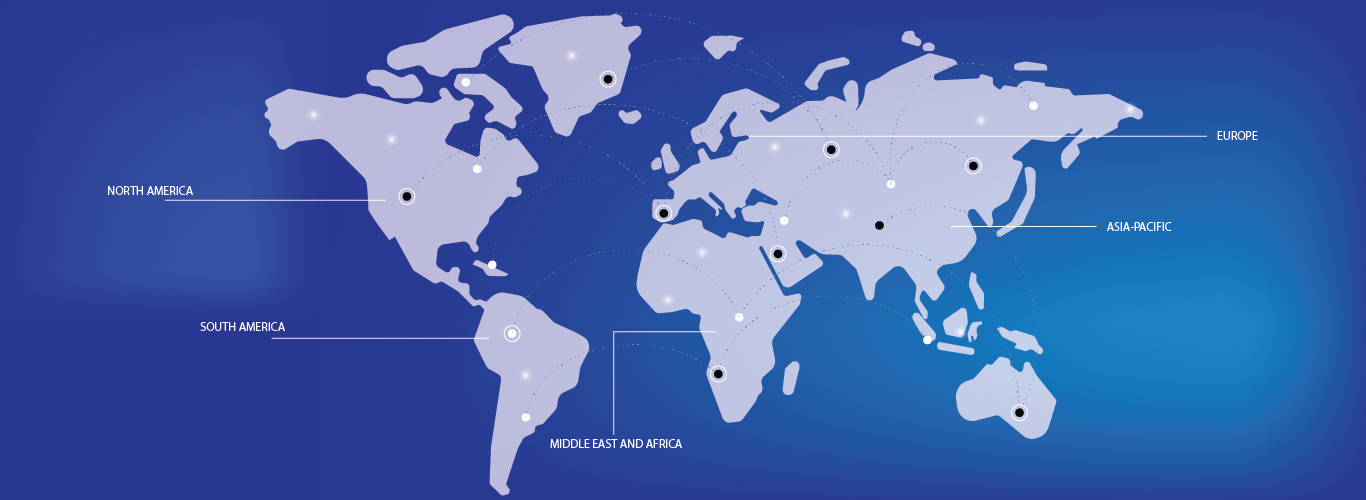
- North America is expected to dominate the elderly and disabled assistive devices market due to its advanced healthcare infrastructure, high awareness levels, and strong demand for high-quality assistive devices. In addition, government initiatives, insurance coverage, and a higher percentage of elderly individuals in the population contribute to the region's dominance
- Asia-Pacific is expected to be the fastest-growing region in the elderly and disabled assistive devices market during the forecast period, driven by rising healthcare investments, increasing awareness about elderly care, and a growing elderly population. Countries such as China and India are experiencing rapid urbanization, which is leading to greater access to healthcare solutions and assistive devices, especially in urban areas
- The mobility aid segment is expected to dominate the Elderly and Disabled Assistive Devices market with the largest share of 40.3% in 2025 due to demand for these devices is driven by the growing elderly population, chronic conditions affecting mobility, and technological advancements that enhance comfort, usability, and customization.