- Frac sand is a critical material used in hydraulic fracturing (fracking) processes to extract oil and natural gas from underground rock formations. The sand is injected into wells to create fractures, allowing oil and gas to flow more freely. It is an essential component in energy production, particularly in shale oil and gas extraction
- The demand for frac sand is primarily driven by the increasing production of unconventional oil and gas resources, particularly in North America. The need for high-quality, durable frac sand is growing due to advancements in hydraulic fracturing techniques and the expansion of shale drilling activities
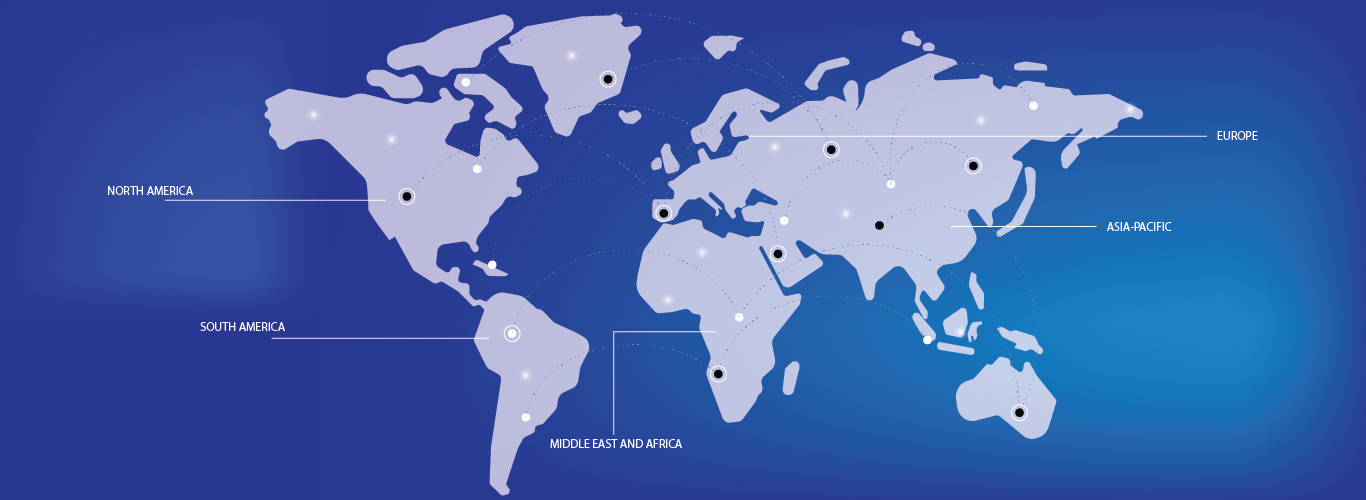
- North America remains the dominant region for frac sand consumption, driven by the booming shale oil and gas sector in the U.S. The country has significant reserves of shale oil and gas, and as hydraulic fracturing technology advances, the need for frac sand has been rising. The increased drilling activity, along with ongoing investments in infrastructure to support the growing demand for frac sand, has bolstered the market in North America
- For instance, the Permian Basin, one of the largest shale oilfields in the U.S., is a major hub for frac sand usage. The demand for high-quality sand in this region is expected to continue growing due to its vast reserves and active fracking operations
- Globally, frac sand is ranked as one of the most critical materials in the oil and gas extraction process, alongside other proppants like ceramic beads. It plays a pivotal role in enhancing the efficiency and cost-effectiveness of hydraulic fracturing, making it indispensable to modern energy production