- Medical device interfaces, enabling seamless data exchange between medical devices and healthcare information systems, are becoming increasingly essential for modern clinical environments due to their role in enhancing patient monitoring, improving workflow efficiency, and supporting real-time data-driven decision-making
- The escalating demand for medical device interfaces is primarily fueled by the rapid digitization of healthcare, rising need for interoperable systems, and the increasing prevalence of chronic diseases that require continuous patient monitoring and data integration
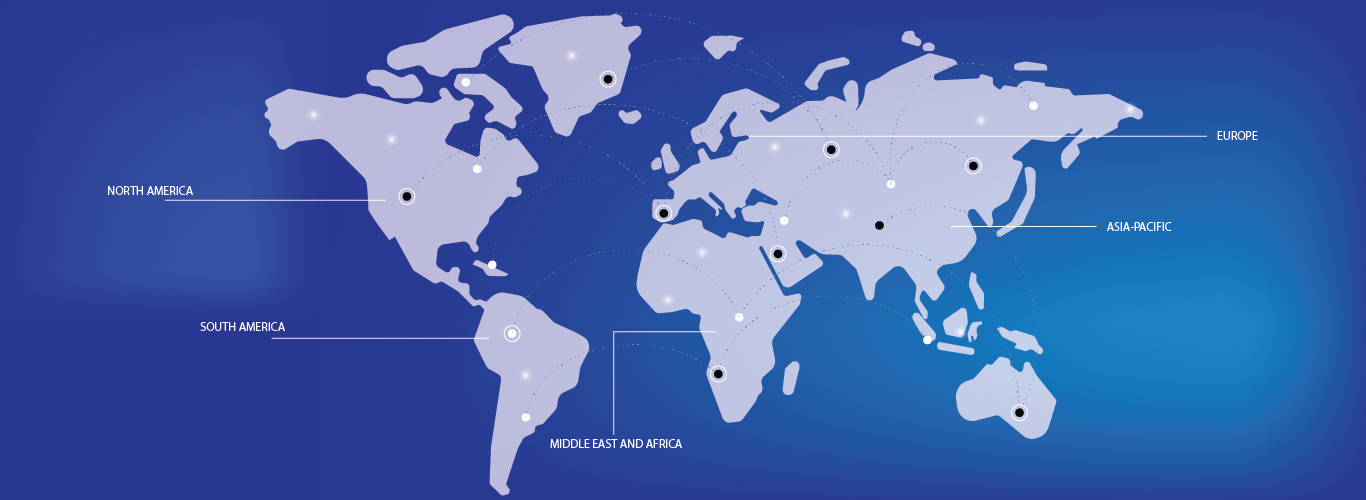
- North America dominated the medical device interface market with the largest revenue share of 42% in 2024, supported by robust healthcare infrastructure, widespread adoption of electronic health records (EHRs), and the presence of major health tech firms and device manufacturers focused on innovation and regulatory compliance
- Asia-Pacific is expected to be the fastest growing region in the medical device interface market during the forecast period due to expanding healthcare access, rising investments in healthcare IT, and government initiatives to modernize hospital infrastructure
- The software interface segment dominated the medical device interface market with a market share of 45.3% in 2024, driven by the need for secure, scalable, and customizable integration solutions that can effectively manage and transmit complex medical data across diverse clinical platforms