- Organic chocolates and confections are produced using certified organic ingredients that avoid synthetic fertilizers, chemical processing, and genetically modified organisms. These products are positioned as healthier and more sustainable alternatives to conventional treats, appealing to consumers seeking both indulgence and nutritional value
- The escalating demand for organic chocolate is primarily driven by rising disposable incomes, shifting dietary preferences, growing retail availability, and increased product innovation in flavors, textures, and formats across global markets
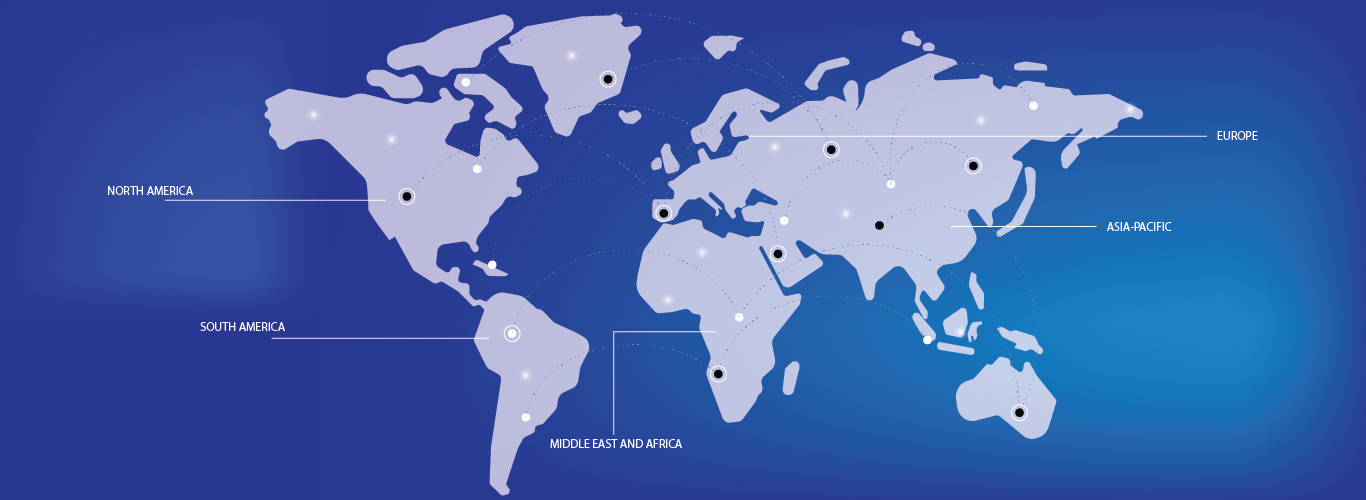
- North America dominated the organic chocolate and confectionery market with a share of 36.6% in 2024, due to increasing consumer awareness of health, sustainability, and ethical sourcing in food choices
- Asia-Pacific is expected to be the fastest growing region in the organic chocolate and confectionery market with a share of during the forecast period due to rising urbanization, increasing disposable incomes, and growing consumer exposure to global health and wellness trends
- Premium segment dominated the market with a market share of 47.4% in 2024, due to rising consumer preference for high-quality, ethically sourced, and artisanal chocolate products that align with health, sustainability, and indulgence trends. Premium offerings often emphasize organic certifications, bean-to-bar transparency, and unique flavor profiles, which appeal to affluent and health-conscious consumers seeking elevated chocolate experiences