- Platinum jewellery is considered a symbol of luxury and durability, often used in high-end fashion, engagement, and wedding pieces. Its hypoallergenic properties, natural white sheen, and rarity make it highly desirable among consumers seeking premium accessories
- The demand for platinum jewellery is significantly driven by changing fashion trends, rising disposable income, and a growing preference for customized and branded jewellery. A substantial portion of the global demand stems from wedding and ceremonial use, particularly in countries like India, China, and the U.S., where platinum is gaining cultural and symbolic importance
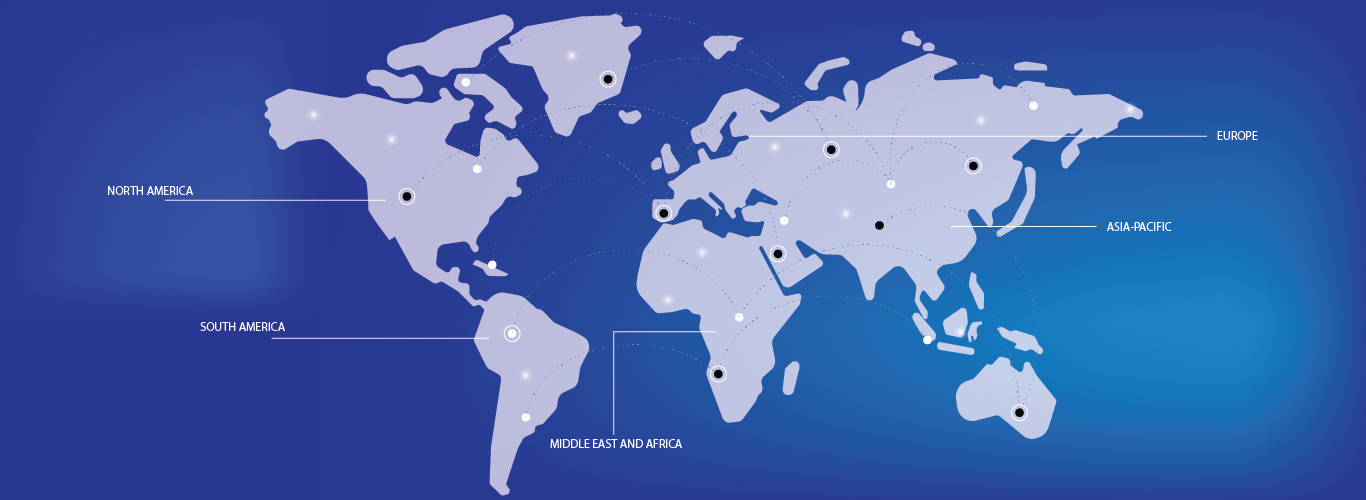
- The Asia-Pacific region stands out as the dominant region for platinum jewellery consumption, led by India, China, and Japan. This dominance is fueled by a growing middle class, rising luxury spending, and aggressive marketing efforts by jewellery brands to position platinum as an aspirational metal
- For instance, the Platinum Guild International (PGI) has launched several campaigns across Asia to promote platinum jewellery among millennials and Gen Z, which has contributed to notable year-over-year growth in retail sales, especially in urban markets
- Globally, platinum is considered the third most popular metal in jewellery manufacturing, following gold and silver, and plays a pivotal role in premium and niche jewellery segments, including limited-edition collections and high-fashion collaborations