- Sulfate-free shampoos are personal care products formulated without harsh sulfates like sodium lauryl sulfate (SLS) and sodium laureth sulfate (SLES), making them gentler on the hair and scalp. These shampoos help retain natural oils and reduce irritation, making them ideal for sensitive skin and color-treated hair
- The demand for sulfate-free shampoos is significantly driven by rising consumer awareness of clean beauty, concerns over hair damage from chemical ingredients, and a growing preference for natural and organic personal care products
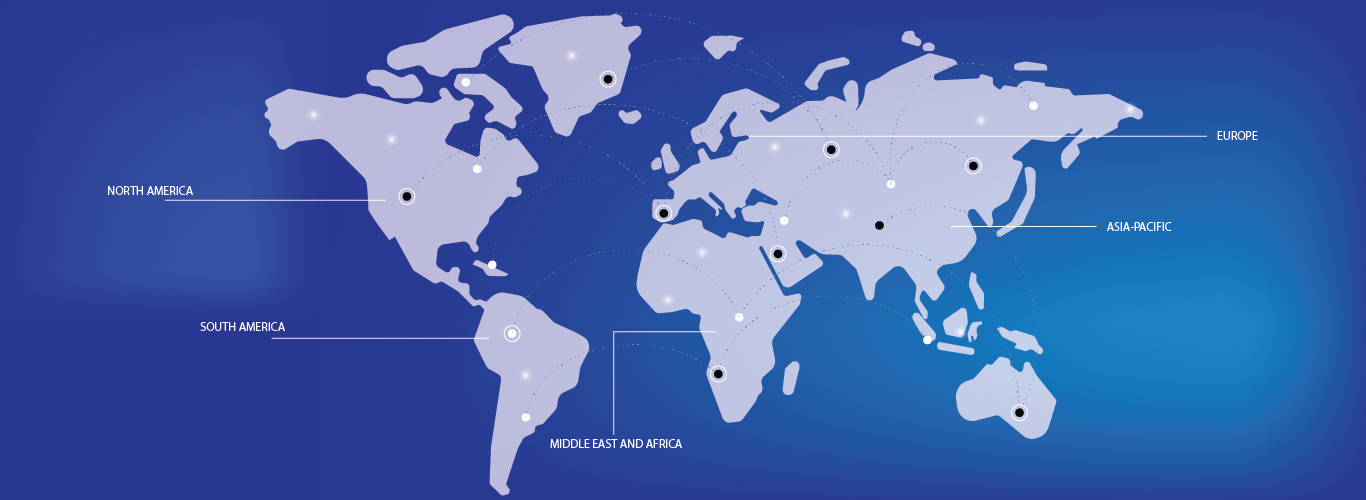
- North America is anticipated to dominate the sulfate-free shampoo market due to high consumer spending on premium personal care products and the strong presence of leading cosmetic and haircare brands. As of recent trends, North America is expected to hold around 40-45% of the market share in the coming years
- Asia-Pacific is projected to be the fastest-growing region in the sulfate-free shampoo market during the forecast period. This growth is driven by increasing urbanization, rising disposable incomes, and greater awareness of haircare among consumers in countries such as China, India, and Japan. The region is expected to experience a compound annual growth rate (CAGR) of 7-9%, with market share potentially reaching 25-30% by 2026
- The dry and damaged hair segment is expected to dominate the sulfate-free shampoo market, holding a significant market share of 35-40%. This is attributed to the increasing consumer demand for sulfate-free solutions that provide gentle cleansing, repair benefits, and moisture retention, especially for consumers with damaged, brittle, or chemically-treated hair