- Talc, a naturally occurring mineral used in a variety of industrial applications, is becoming an increasingly vital material in sectors such as plastics, paints & coatings, ceramics, paper, cosmetics, and pharmaceuticals due to its excellent thermal resistance, chemical inertness, and lamellar structure
- The escalating demand for talc is primarily driven by its growing usage in automotive light weighting applications, where it enhances polymer strength and reduces weight, as well as in the paints & coatings industry for improving durability and anti-corrosion performance
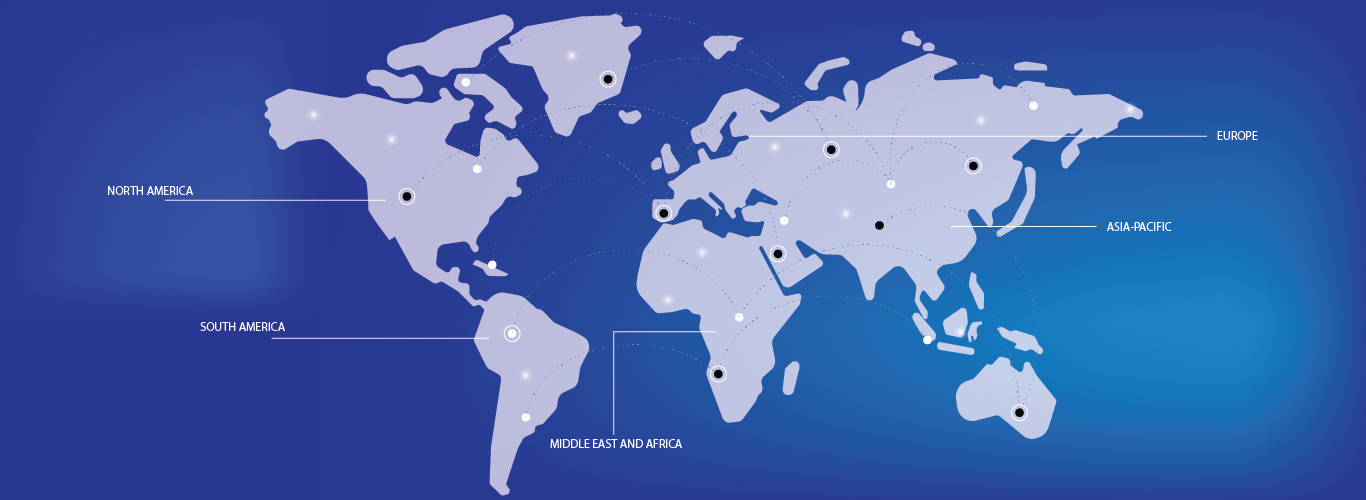
- Asia-Pacific dominates the talc market with the largest revenue share of over 45% in 2024, attributed to high talc production in countries such as China and India, and rising consumption across plastics, construction, and consumer goods industries. China, in particular, is a major exporter and end-user, fueling regional growth
- Europe is expected to be the fastest-growing region in the talc market during the forecast period, driven by rising demand in cosmetics, pharmaceuticals, and food processing industries, coupled with increasing regulatory focus on high-purity and ultrafine talc products
- The plastics and rubber segment is expected to dominate the talc market with a market share of over 30% in 2025, driven by the increasing adoption of talc-reinforced polypropylene and polyethylene in automotive components, appliances, and packaging