- Botanical drug-based oncology therapies, derived from plant and natural sources, are becoming essential components of integrative cancer care due to their ability to offer complementary benefits such as reduced toxicity, immune system support, and potential tumor suppression, enhancing treatment outcomes in both clinical and supportive care settings
- The rising demand for botanical oncology drugs is primarily driven by the increasing global cancer incidence, growing interest in plant-derived treatments among patients and healthcare providers, and expanding clinical research validating the efficacy of phytochemicals such as curcumin, paclitaxel, and vinblastine in oncology
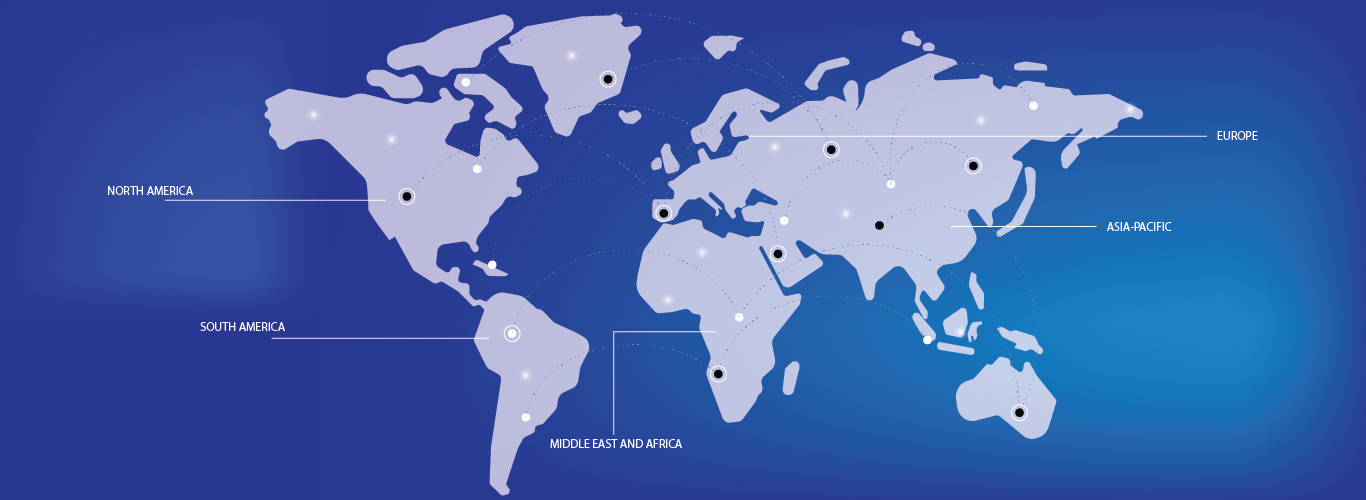
- North America dominated the botanical drug-based oncology market with the largest revenue share of 39.1% in 2024, attributed to strong regulatory frameworks, advanced R&D capabilities, and a growing consumer shift toward evidence-based natural therapies, particularly in the U.S. where integrative oncology practices are on the rise
- Asia-Pacific is expected to be the fastest growing region in the botanical oncology market during the forecast period due to the presence of well-established traditional medicine systems, increasing cancer prevalence, and rising government investments in herbal and botanical drug development
- The plant-based segment dominated the botanical drug-based oncology market with a market share of 72.8% in 2024, driven by the extensive availability of medicinal plants, proven anti-cancer activity of many phytochemicals, and widespread acceptance in both modern and traditional cancer treatment frameworks