يشمل سوق اللوجستيات العكسية أنواعًا مختلفة من عمليات الإرجاع، بما في ذلك تجنب عمليات الإرجاع، وإعادة التصنيع، والتجديد، والتغليف، والبضائع غير المباعة، ونهاية العمر الافتراضي، وفشل التسليم، والتأجير، والإصلاح والصيانة، وغيرها. تُمثل هذه الأنواع من عمليات الإرجاع مجموعة واسعة من الأنشطة في عملية اللوجستيات العكسية، وتتناول عمليات إرجاع المنتجات، وإعادة التدوير، وإعادة التصنيع، ومبادرات الاستدامة. وهي تُلبي احتياجات قطاعية متنوعة، مما يُمكّن الشركات من إدارة عمليات الإرجاع وتعظيم قيمة منتجاتها، مما يُسهم في توفير التكاليف والمسؤولية البيئية.
احصل على التقرير الكامل على https://www.databridgemarketresearch.com/reports/europe-reverse-logistics-market
تشير تحليلات شركة داتا بريدج لأبحاث السوق إلى أن قيمة سوق الخدمات اللوجستية العكسية في أوروبا بلغت 1,53,199.48 مليون دولار أمريكي في عام 2021، ومن المتوقع أن تصل إلى 2,21,223.24 مليون دولار أمريكي بحلول عام 2029، بمعدل نمو سنوي مركب قدره 4.7% خلال الفترة المتوقعة من 2022 إلى 2029. وينبع إطالة دورة حياة المنتجات من خلال التجديد وإعادة التصنيع في سوق الخدمات اللوجستية العكسية من جهود الشركات للحد من النفايات وتعظيم قيمة المنتجات، وتعزيز الاستدامة وكفاءة الموارد، مع تحسين فعالية التكلفة الإجمالية.
النتائج الرئيسية للدراسة
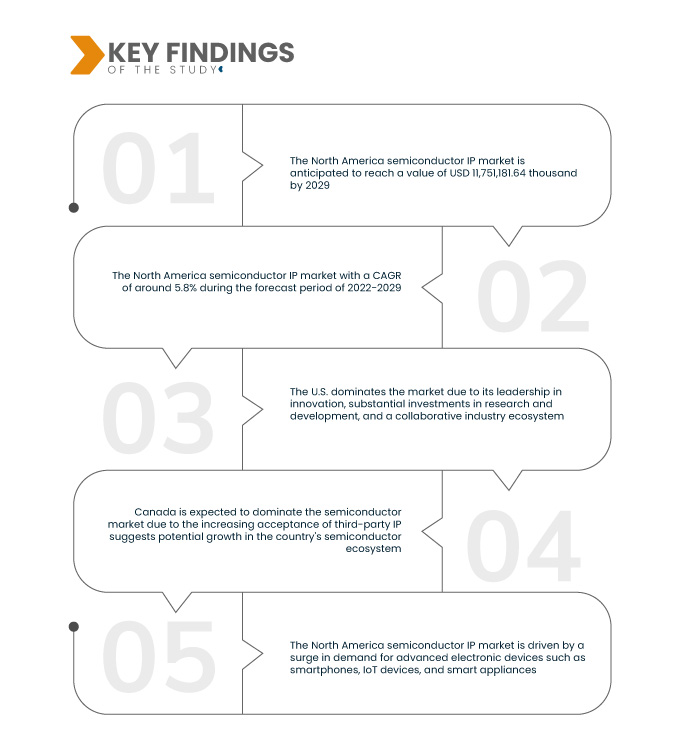
ومن المتوقع أن يؤدي نمو التجارة الإلكترونية إلى دفع معدل نمو السوق
أصبح التوسع السريع لتجارة التجزئة عبر الإنترنت محركًا محوريًا في سوق الخدمات اللوجستية العكسية. وقد أدى هذا النمو الهائل في التجارة الإلكترونية إلى زيادة متناسبة في إرجاع المنتجات، مما يتطلب عمليات لوجستية عكسية مبسطة وفعالة. يتعين على الشركات إدارة الكميات المتزايدة من الإرجاعات بفعالية، واستعادة قيمة المنتجات المُعادة، وتلبية توقعات العملاء بإرجاع سلس. ويؤكد هذا المحرك أهمية حلول الخدمات اللوجستية العكسية الفعالة في عصر التجارة الرقمية.
نطاق التقرير وتقسيم السوق
مقياس التقرير
|
تفاصيل
|
فترة التنبؤ
|
من 2022 إلى 2029
|
سنة الأساس
|
2021
|
السنوات التاريخية
|
2020 (قابلة للتخصيص حتى 2014-2019)
|
الوحدات الكمية
|
الإيرادات بالملايين من الدولارات الأمريكية، والحجم بالوحدات، والتسعير بالدولار الأمريكي
|
القطاعات المغطاة
|
نوع الإرجاع (الإرجاع، تجنب الإرجاع، إعادة التصنيع، التجديد، التغليف، البضائع غير المباعة، انتهاء الصلاحية، فشل التسليم، التأجير والتأجير التمويلي، الإصلاحات والصيانة، وغيرها)، المكونات (سياسة وإجراءات الإرجاع (RPP)، إعادة التصنيع أو التجديد (ROR)، التخلص من النفايات (WAD))، نوع الخدمة (النقل، التخزين، إعادة البيع، إدارة الاستبدال، تفويض إدارة الاسترداد، وغيرها)، المستخدم النهائي (المنسوجات والملابس، السيارات، الإلكترونيات الاستهلاكية ، التجارة الإلكترونية، التجزئة، السلع الفاخرة، الأدوية، التغليف القابل لإعادة الاستخدام، وغيرها)
|
الدول المغطاة
|
ألمانيا، فرنسا، المملكة المتحدة، هولندا، سويسرا، بلجيكا، روسيا، إيطاليا، إسبانيا، تركيا، بقية دول أوروبا في أوروبا.
|
الجهات الفاعلة في السوق المغطاة
|
مجموعة البريد الألماني DHL (ألمانيا)، FedEx (الولايات المتحدة)، XPO Logistics, Inc. (الولايات المتحدة)، United Parcel Service of America, Inc. (الولايات المتحدة)، IBM Corporation (الولايات المتحدة)، CH Robinson Worldwide, Inc. (الولايات المتحدة)، Indev Group of Companies (الهند)، Kintetsu World Express, Inc. (اليابان)، Reverse Logistics Group (النمسا)، ReverseLogix (الولايات المتحدة)، Schenker AG (ألمانيا)، YUSEN LOGISTICS CO., LTD. (اليابان)
|
نقاط البيانات التي يغطيها التقرير
|
بالإضافة إلى الرؤى حول سيناريوهات السوق مثل القيمة السوقية ومعدل النمو والتجزئة والتغطية الجغرافية واللاعبين الرئيسيين، تتضمن تقارير السوق التي تم تنظيمها بواسطة Data Bridge Market Research أيضًا تحليلًا متعمقًا من الخبراء والإنتاج والقدرة التمثيلية الجغرافية للشركة وتخطيطات الشبكة للموزعين والشركاء وتحليل اتجاهات الأسعار التفصيلية والمحدثة وتحليل العجز في سلسلة التوريد والطلب.
|
تحليل القطاعات:
يتم تقسيم سوق الخدمات اللوجستية العكسية في أوروبا إلى نوع الإرجاع والمكونات ونوع الخدمة والمستخدم النهائي.
- على أساس نوع الإرجاع، يتم تقسيم سوق الخدمات اللوجستية العكسية في أوروبا إلى الإرجاع، وتجنب الإرجاع، وإعادة التصنيع، والتجديد، والتغليف، والسلع غير المباعة، ونهاية العمر الافتراضي، وفشل التسليم، والإيجارات والتأجير، والإصلاحات والصيانة، وغيرها.
- على أساس المكونات، يتم تقسيم سوق الخدمات اللوجستية العكسية في أوروبا إلى سياسة وإجراءات الإرجاع (RPP)، وإعادة التصنيع أو التجديد (ROR)، والتخلص من النفايات (WAD)
- على أساس نوع الخدمة، يتم تقسيم سوق الخدمات اللوجستية العكسية في أوروبا إلى النقل والتخزين وإعادة البيع وإدارة الاستبدال وتفويض إدارة الاسترداد وغيرها
- على أساس المستخدم النهائي، يتم تقسيم سوق الخدمات اللوجستية العكسية في أوروبا إلى المنسوجات والملابس، والتجارة الإلكترونية، والسيارات، والأدوية، والإلكترونيات الاستهلاكية، وتجارة التجزئة، والسلع الفاخرة، والتغليف القابل لإعادة الاستخدام، وغيرها.
اللاعبون الرئيسيون
تعترف شركة Data Bridge Market Research بالشركات التالية باعتبارها اللاعبين الرئيسيين في سوق الخدمات اللوجستية العكسية في أوروبا وهي: Deutsche Post DHL Group (ألمانيا)، FedEx (الولايات المتحدة)، XPO Logistics، Inc. (الولايات المتحدة)، United Parcel Service of America، Inc. (الولايات المتحدة)، IBM Corporation (الولايات المتحدة)، CH Robinson Worldwide، Inc. (الولايات المتحدة).
تطورات السوق
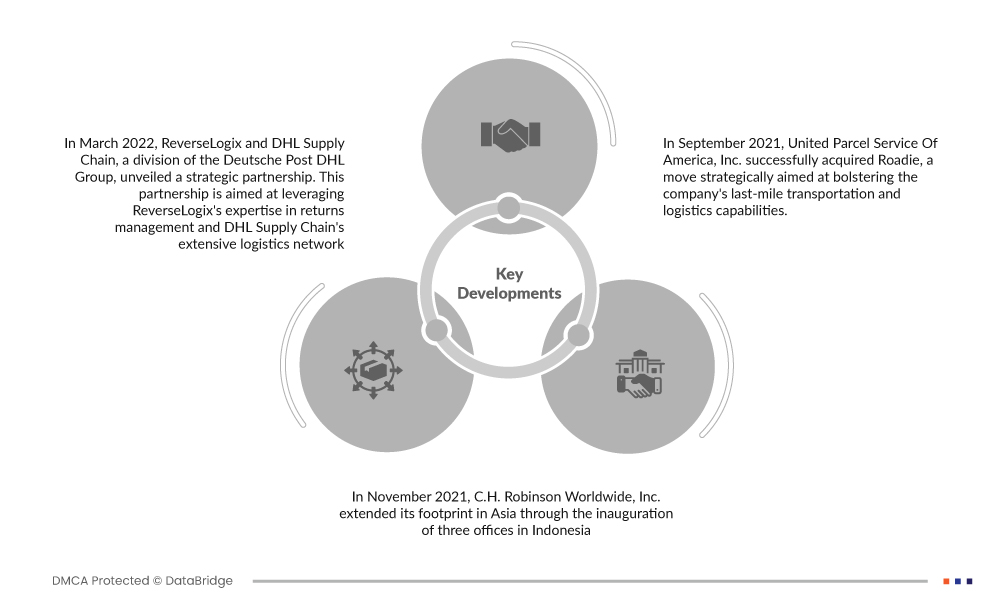
- في مارس 2022، أعلنت شركة ReverseLogix وشركة DHL Supply Chain، التابعة لمجموعة Deutsche Post DHL، عن شراكة استراتيجية. تهدف هذه الشراكة إلى الاستفادة من خبرة ReverseLogix في إدارة المرتجعات وشبكة DHL Supply Chain اللوجستية الواسعة. تُمكّن هذه الشراكة الشركتين من تعزيز قدراتهما اللوجستية العكسية، وتلبية الطلب المتزايد على معالجة المرتجعات بكفاءة واستدامة سلسلة التوريد.
- في نوفمبر 2021، وسّعت شركة CH Robinson Worldwide, Inc. حضورها في آسيا بافتتاح ثلاثة مكاتب في إندونيسيا. وكان الهدف الرئيسي هو تعزيز قدرات الشركة اللوجستية في المنطقة. وقد مكّن هذا التوسع CH Robinson من تقديم خدمات لوجستية عالية الجودة لعملائها، معززًا التزامها بحلول سلسلة توريد فعّالة وموثوقة في السوق الآسيوية الديناميكية وسريعة النمو.
- في سبتمبر 2021، استحوذت شركة يونايتد بارسل سيرفس أوف أمريكا بنجاح على شركة رودي، في خطوة استراتيجية تهدف إلى تعزيز قدرات الشركة في مجال النقل واللوجستيات للميل الأخير. وقد مكّن هذا الاستحواذ شركة يو بي إس من تعزيز حضورها في السوق وتقديم خدمات لوجستية عالية الجودة للمستهلكين. ومن خلال توسيع شبكة التوصيل للميل الأخير من خلال دمج رودي، عززت يو بي إس التزامها بتقديم خدمة فعالة وموثوقة، تلبي المتطلبات المتطورة لقطاع اللوجستيات الحديث.
التحليل الإقليمي
من الناحية الجغرافية، البلدان التي يغطيها تقرير سوق الخدمات اللوجستية العكسية في أوروبا هي ألمانيا وفرنسا والمملكة المتحدة وهولندا وسويسرا وبلجيكا وروسيا وإيطاليا وإسبانيا وتركيا وبقية دول أوروبا في أوروبا.
وفقًا لتحليل Data Bridge Market Research:
من المتوقع أن تهيمن ألمانيا على سوق الخدمات اللوجستية العكسية في أوروبا في الفترة المتوقعة 2022-2029
من المتوقع أن تهيمن ألمانيا على سوق اللوجستيات العكسية الأوروبية بفضل ريادتها التكنولوجية، لا سيما في دمج حلول إنترنت الأشياء والذكاء الاصطناعي في صناعة أشباه الموصلات. هذا الابتكار يُعزز الطلب على خدمات اللوجستيات العكسية. إضافةً إلى ذلك، تُعزز الاستثمارات في تصغير المكونات الإلكترونية الطلب على عمليات إرجاع وإعادة تدوير فعّالة. هذه العوامل تُرسّخ مكانة ألمانيا كلاعب رئيسي في المشهد اللوجستي العكسي الأوروبي المتطور، بما يتماشى مع الاستدامة والتقدم التكنولوجي.
لمزيد من المعلومات التفصيلية حول تقرير سوق الخدمات اللوجستية العكسية في أوروبا، انقر هنا - https://www.databridgemarketresearch.com/reports/europe-reverse-logistics-market